

A Guide to Spark Plugs for the 1970-1976 Chevrolet Impala
Keep your classic Impala's V8 or inline-6 engine firing on all cylinders with the right set of new spark plugs.
- Identify your engine (I-6, 350, 400, 454 V8) and ignition type (points or HEI) before buying.
- For most stock engines, standard copper core plugs from ACDelco or NGK are the best choice.
- Always check and set the spark plug gap before installation; it is critical for performance.
- Symptoms like rough idle, poor acceleration, and hard starting often point to worn spark plugs.
Signs of Failing Spark Plugs
Worn or fouled spark plugs can cause noticeable issues in your Impala. Because these classic cars don't have modern check engine lights tied to complex sensors, you'll need to rely on what you can see, hear, and feel. Common symptoms include:
- Rough Idling: The engine may sound shaky or uneven when the car is stopped. You might also feel more vibration than usual.
- Engine Misfires: You may feel the engine hesitate, stutter, or jerk while driving. This happens when a plug fails to ignite the fuel in its cylinder.
- Trouble Starting: Weak or worn plugs can make it difficult for the engine to turn over, especially in cold weather.
- Poor Acceleration: If your Impala feels sluggish or doesn't have the "get-up-and-go" it used to, failing spark plugs could be the cause.
- Reduced Fuel Economy: When plugs don't fire efficiently, your engine wastes fuel, and you'll notice you're filling up the tank more often.
Known Issues & Recalls
No recalls or Technical Service Bulletins (TSBs) specifically for spark plugs were found for the 1970-1976 Chevrolet Impala. However, many of these vehicles have had their original points-style ignition upgraded to a High Energy Ignition (HEI) system, similar to what became standard in 1975. If your car has an HEI distributor (identifiable by its large cap with an integrated ignition coil), you must use the correct spark plugs and gap setting for that system, not the original 1970-1974 specs. Using the wrong plug or gap can cause poor performance and damage to ignition components.
Choosing the Right Aftermarket Spark Plugs
The original equipment manufacturer for your Impala's spark plugs was ACDelco. While you can still get ACDelco plugs, many high-quality aftermarket options are available. For this era of vehicle, traditional copper core spark plugs are the standard and work very well. More expensive iridium or platinum plugs may last longer, but they won't necessarily provide better performance in a stock engine and ignition system.
Brand Tiers for Your Impala
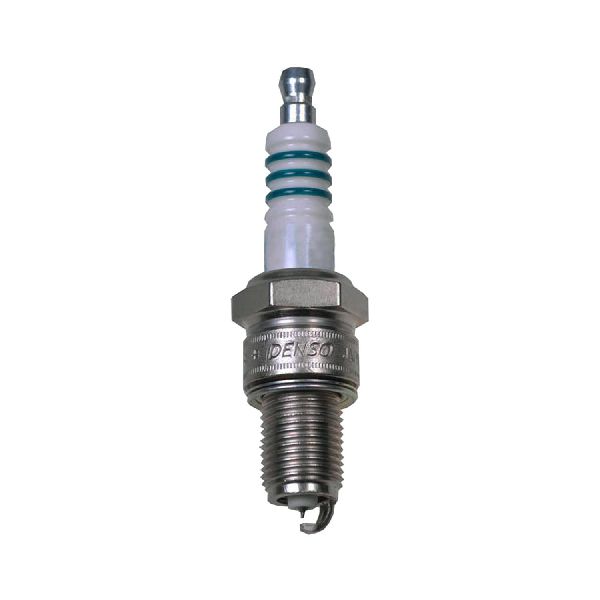
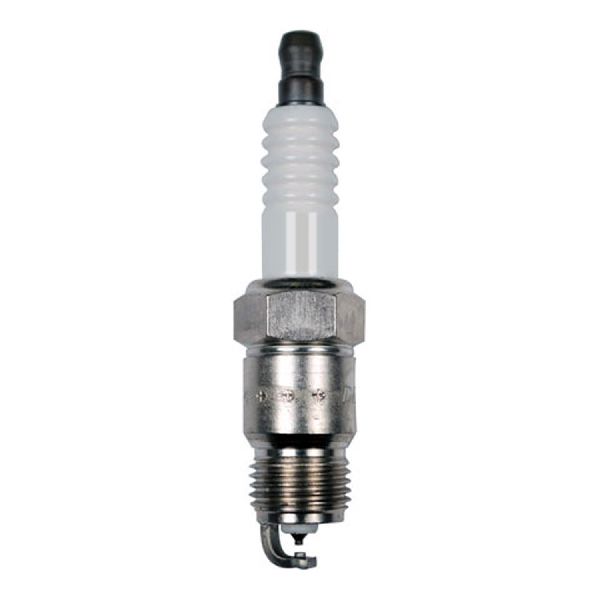
- OEM / Premium Aftermarket (Best Quality): ACDelco is the original choice and a reliable standard. NGK is highly regarded by classic car owners for its quality and consistent performance, often considered an upgrade over other brands. Denso is another excellent Japanese brand known for its quality engineering.
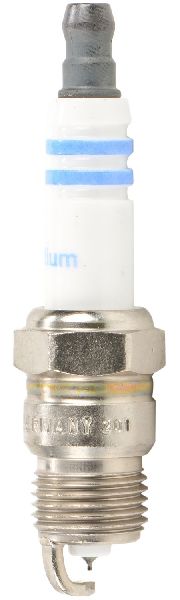
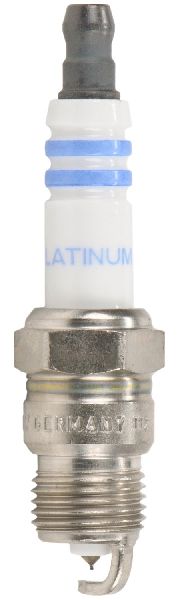
- Quality Aftermarket (Good Value): Autolite and Champion are well-known American brands that have been making plugs for decades and offer dependable performance for daily drivers. Bosch offers a range of plugs, including standard copper and premium options, that are a solid choice.
- Performance / Specialty (For Modified Engines): Accel and MSD are geared more towards high-performance and racing applications. These are a good option if you have a modified engine with higher compression or an upgraded ignition system.
- Budget-Friendly: Brands like Skyward are typically basic, entry-level options that will work but may not offer the same longevity or quality control as the more established brands.
Check Your Engine
The 1970-1976 Impala was available with several engines, including the 250 inline-6, 350 V8, 400 V8, and 454 V8. Always confirm your engine size before buying spark plugs, as they require different part numbers and heat ranges.
| Category | Price Range (Per Plug) | Notes |
|---|---|---|
| Budget Aftermarket | $2.99 - $5.00 | Basic copper plugs. Functional for standard use. |
| Quality Aftermarket | $4.00 - $8.00 | Includes brands like Autolite, Champion, and standard NGK or Bosch plugs. |
| Premium / OEM | $6.00 - $15.00 | Includes ACDelco, premium NGK, and Denso plugs. |
| Performance / Iridium | $10.00 - $25.00+ | Long-life iridium or performance-focused plugs from brands like Accel or MSD. |
Frequently Asked Questions (FAQ)
How often should I change the spark plugs on my Impala?
For a 1970-1976 Impala with a standard ignition and copper spark plugs, a good interval is every 15,000 to 30,000 miles, or whenever you notice performance starting to decline. If you have a modern long-life iridium plug, you can go much longer, but it's still wise to inspect them periodically.
What is a spark plug gap and why is it important?
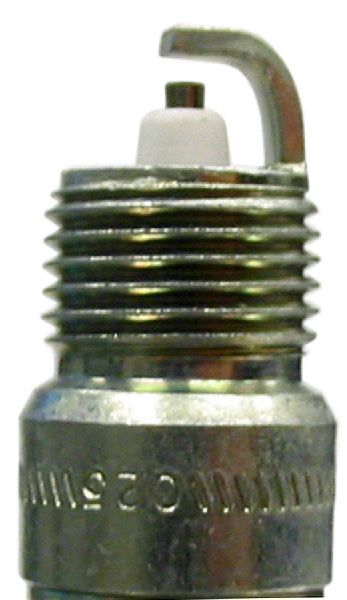
The gap is the small space between the center and ground electrodes at the tip of the plug. The spark has to jump this gap to ignite the fuel. The correct gap size is crucial for a strong spark. For these Impalas, the gap is typically around 0.035 inches for points ignitions and can be wider (0.045 inches or more) for HEI systems. Always check the specification for your car's year and ignition system and use a gapping tool to set the plugs before installation.
Should I use copper, platinum, or iridium plugs?
For a stock 1970-1976 Impala, standard copper core plugs (like ACDelco R45TS or equivalent) are the best choice. They are what the ignition system was designed for and provide excellent performance. Platinum and iridium plugs were designed for modern cars to extend service intervals. While they will work, you are unlikely to see a performance benefit on a stock classic engine to justify the extra cost.
Do I need special tools to change my spark plugs?
Yes, you will need a ratchet, a spark plug socket (typically 5/8" or 13/16" for these cars), and an extension. A spark plug gapping tool is also essential to set the gap correctly. Applying a small amount of anti-seize compound to the new plug's threads can make future removal easier.
Technical Specifications
OEM Part Numbers: R45TS R44S R45S
Spark plug gap varies by year and ignition system. A common gap for points systems is 0.035 inches. For upgraded HEI systems, the gap is often wider, around 0.045 inches. Common socket sizes are 5/8" and 13/16".
We Have This Part in Stock


The information in this article is provided for general reference and educational purposes only. Vehicle specifications, procedures, and part compatibility can vary by production date, trim level, and region. Always consult your vehicle's factory service manual and verify part numbers before purchasing or performing repairs. Safety-critical components such as airbags, seat belts, and braking systems should be installed by a qualified professional.