

Ford LTD Radiator Coolant Hose Guide (1970-1976)
Keep your classic Ford LTD running cool by choosing the right replacement radiator hoses.
- For a 1970-1976 LTD, aftermarket hoses from brands like Gates and Dayco are your only realistic option.
- Focus on correct fitment by comparing the new hose to the old one; this is more important than brand alone.
- Symptoms like leaks, bulges, soft spots, or cracks mean immediate replacement is needed to prevent overheating.
- Replacing hoses is a manageable DIY task for this vehicle and should include replacing both upper and lower hoses at the same time.
Signs of a Failing Radiator Hose
On a car from the 1970s, rubber parts like radiator hoses wear out from age, heat, and oil exposure. It's not a matter of if, but when, they will fail. Catching a bad hose before it bursts can save you from being stranded. Look for these warning signs:
- Leaks or Drips: Puddles of green, yellow, or orange fluid under the front of your car are a sure sign of a coolant leak. Check the ends of the hoses for drips or white, crusty residue.
- Spongy or Soft Spots: When the engine is cool, squeeze the hoses. If you feel any spots that are mushy, soft, or sticky, the hose is breaking down from the inside and needs to be replaced.
- Bulges and Swelling: A bulge or swollen area means the hose is weak and could burst at any moment under pressure. This is a critical warning sign.
- Cracks and Hardness: Hoses that feel hard, brittle, or have visible cracks are dried out and can no longer flex with the engine's vibrations.
- Engine Overheating: If your temperature gauge climbs into the red, a collapsed or leaking hose could be the cause.
Choosing the Right Aftermarket Hose
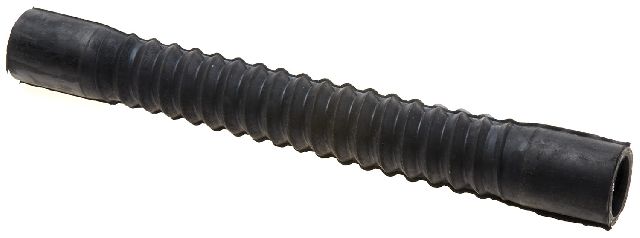
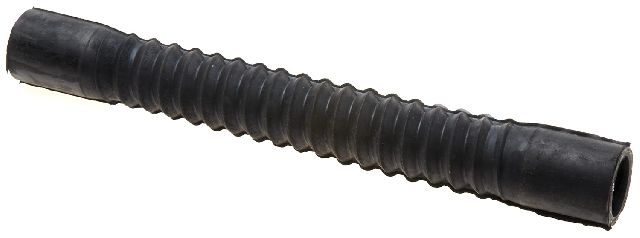
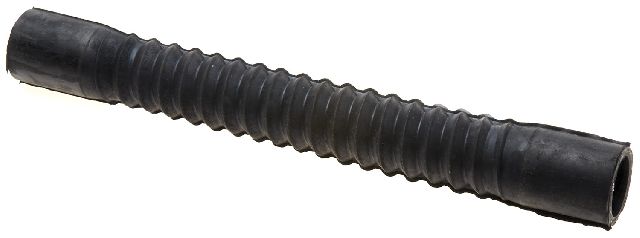
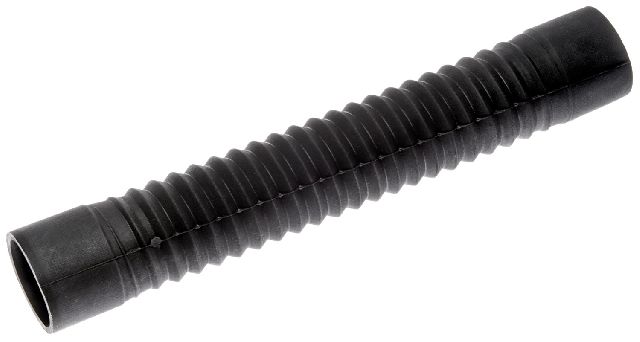
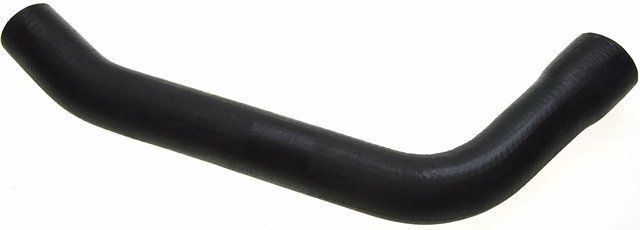
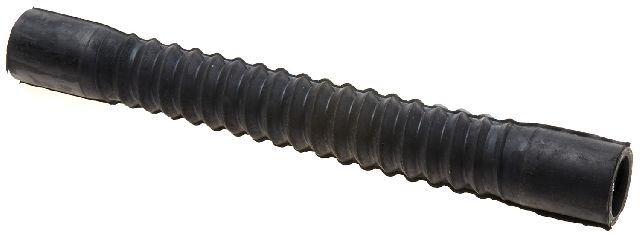
For a 1970-1976 Ford LTD, finding new original equipment (OEM) Motorcraft hoses is nearly impossible due to the vehicle's age. The good news is that modern aftermarket hoses from reputable brands are your main option and are made with materials that are often better than the originals.
The two most common brands you will find are Dayco and Gates.
- Gates: Often considered a top-tier aftermarket brand. Many mechanics trust Gates for its quality and accurate parts catalog, which helps ensure you get the right hose for your specific LTD engine.
- Dayco: A solid and widely available option. Some users have found that in certain cases, a Dayco hose had a better, more exact fit than other brands.
Estimated Replacement Costs
Replacing radiator hoses is a relatively inexpensive job that prevents major engine repairs. Prices will vary based on which hose you are replacing (upper, lower, or bypass) and your location.
| Part Type | Estimated Cost |
|---|---|
| New Aftermarket Hoses (Dayco, Gates) | $23.84 - $56.43 per hose |
| Shop Labor | $120 - $250 |
| Total Estimated Cost | $145 - $305 |
Frequently Asked Questions (FAQ)
Should I replace both the upper and lower hoses at the same time?
Yes. If one hose has failed due to age, the other is likely not far behind. It is smart, preventative maintenance to replace the upper hose, lower hose, and any bypass hoses at the same time. This also gives you a chance to flush the cooling system and add fresh coolant.
Do I need special tools to replace my LTD's radiator hoses?
Basic hand tools are usually all that's needed: a screwdriver or nut driver for the hose clamps, a pair of pliers, and a drain pan for the old coolant. Access on these older, large cars is generally very good, making it a feasible DIY job.
What type of hose clamps should I use?
Many mechanics prefer to reuse the original-style spring clamps if they are in good condition, as they provide even, constant tension as the hose expands and contracts with temperature changes. However, new stainless steel worm-drive clamps are also perfectly acceptable and widely used.
Are there any recalls for 1970-1976 Ford LTD radiator hoses?
No, there are no active recalls or vehicle-specific Technical Service Bulletins (TSBs) from Ford or the NHTSA for radiator hoses on the 1970-1976 Ford LTD. Any issues you encounter will be due to the age and wear of the part.
Technical Specifications
Hoses for the 1970-1976 Ford LTD vary based on the specific engine (e.g., 351, 400, 429, 460 V8) and whether the vehicle has air conditioning. Always verify the part number for your exact configuration. Hoses are typically made from EPDM rubber.
We Have This Part in Stock

The information in this article is provided for general reference and educational purposes only. Vehicle specifications, procedures, and part compatibility can vary by production date, trim level, and region. Always consult your vehicle's factory service manual and verify part numbers before purchasing or performing repairs. Safety-critical components such as airbags, seat belts, and braking systems should be installed by a qualified professional.