

Choosing the Right Spark Plugs for Your 1970-1977 Dodge Challenger
Get the right spark for your classic Challenger's engine, from the Slant-6 to the 440 Six-Pack.
- For most stock 1970-1977 Challengers, traditional copper spark plugs from brands like Champion, Autolite, or NGK are the best choice.
- Always check and set the spark plug gap before installation; do not trust the factory setting. The typical gap is 0.035 inches.
- The correct spark plug depends on your specific engine (e.g., 318, 340, 440) and any modifications.
- Symptoms like a rough idle, poor acceleration, and engine misfires often point to worn-out spark plugs.
Signs of Failing Spark Plugs
Worn-out spark plugs can cause a number of noticeable problems. If your Challenger is experiencing any of these issues, it might be time for a new set of plugs.
- Rough Idle: The engine may shake or vibrate more than usual when the car is stopped.
- Poor Acceleration: You might feel a hesitation or lack of power when you press the gas pedal.
- Engine Misfires: A misfire feels like a stumble or hesitation from the engine, and can sometimes cause a popping sound from the exhaust.
- Difficulty Starting: Worn plugs can make it harder for the engine to start, especially in cold weather.
- Reduced Fuel Economy: If you notice you're filling up the gas tank more often, failing spark plugs could be wasting fuel.
- Engine Pinging or Knocking: This can happen if the spark plugs are not the correct type (heat range) for your engine.
Choosing the Right Aftermarket Spark Plug
For a classic car like the 1970-1977 Challenger, you have several good aftermarket spark plug options. The original ignition systems were designed for simple, effective copper plugs, and for most owners, these are still the best choice.
Spark Plug Materials
Copper: This is the traditional choice and what your Challenger's engine was designed for. Copper plugs provide excellent conductivity and are very affordable. They don't last as long as modern platinum or iridium plugs, but for a classic car that may not be a daily driver, their performance is ideal. Many classic Mopar owners prefer them.
Platinum/Iridium: These plugs have a longer service life due to their harder electrode materials. While they work, they are often more expensive and may not provide any noticeable performance benefit in a stock, carbureted engine from this era. Some owners of modified engines prefer them to reduce fouling.
Aftermarket Brand Tiers for Your Challenger
| Tier | Brands | Notes |
|---|---|---|
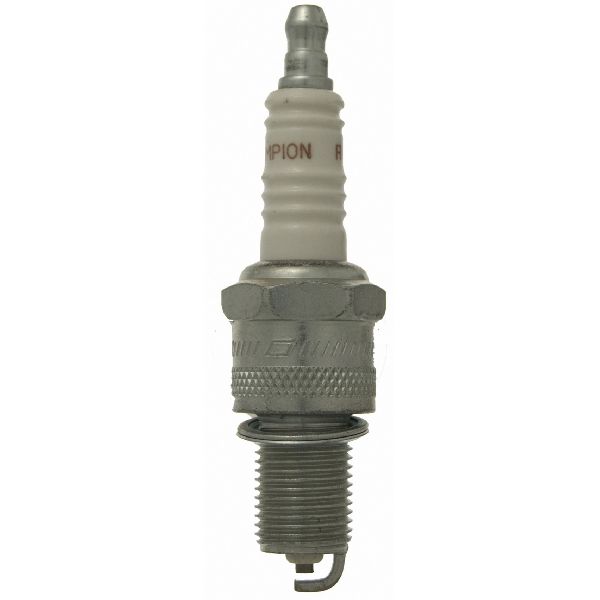
| Good (OEM-Style) | Champion, Autolite | Champion was a common original equipment supplier for Mopar during this period. Many owners stick with Champion or Autolite copper plugs for originality and reliable performance. They are affordable and work very well with the stock ignition system. |
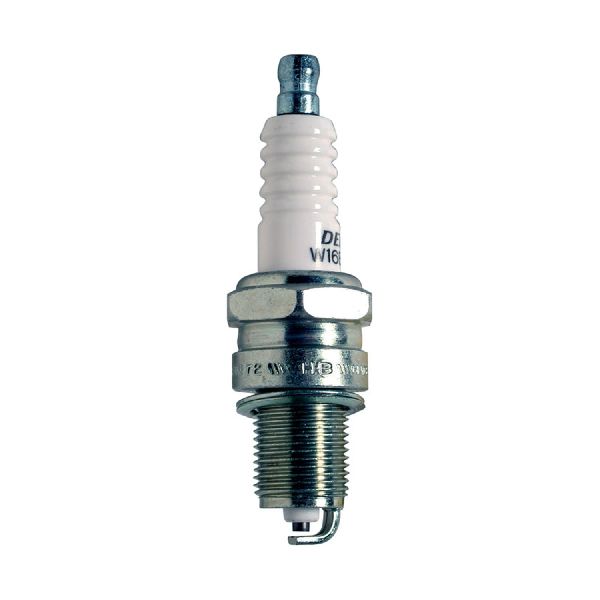
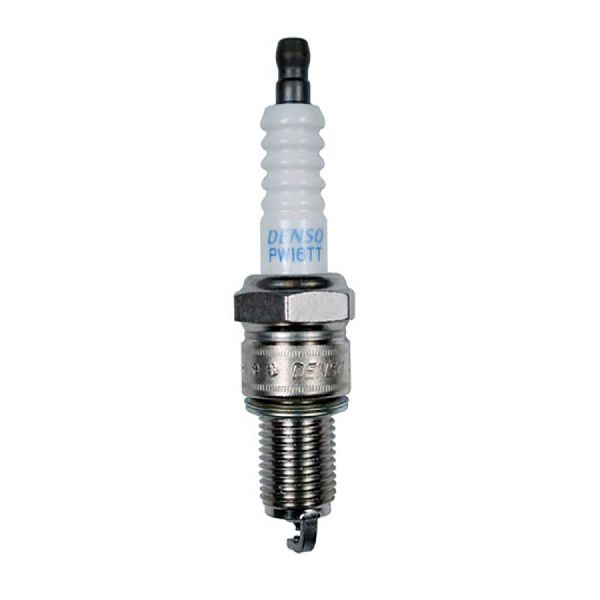
| Better (Performance & Reliability) | NGK, Denso | NGK and Denso are highly regarded in the classic car community for their quality and consistent performance. Many owners report smoother idling and good reliability when switching from other brands. The NGK V-Power plugs are a popular choice. |
| Specialty (Performance/Modified) | Accel | Accel offers plugs, including "shorty" header plugs, that can provide extra clearance for aftermarket exhaust headers. These are a good choice for modified engines where space around the spark plug is tight. |
A Note on Bosch
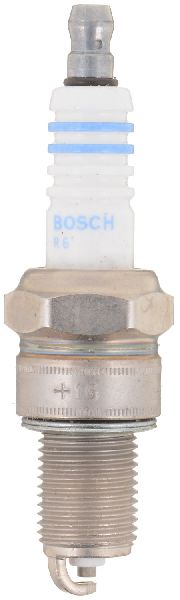
While Bosch is a major spark plug manufacturer, some classic car owners report mixed results. For the 1970-1977 Challenger, it's often best to stick with brands like Champion, Autolite, or NGK that have a long-standing positive reputation within the Mopar community.
Known Issues, Recalls, and TSBs
For a vehicle of this age, there are no active recalls or Technical Service Bulletins (TSBs) related to new aftermarket spark plugs. The ignition systems are straightforward and mechanical. Most issues are related to general wear, incorrect installation, or using the wrong part for the engine. Problems like a no-start condition are often traced to other parts of the simple ignition circuit, like the starter relay, ballast resistor, or ignition switch itself.
Pro Tip: Check The Gap!
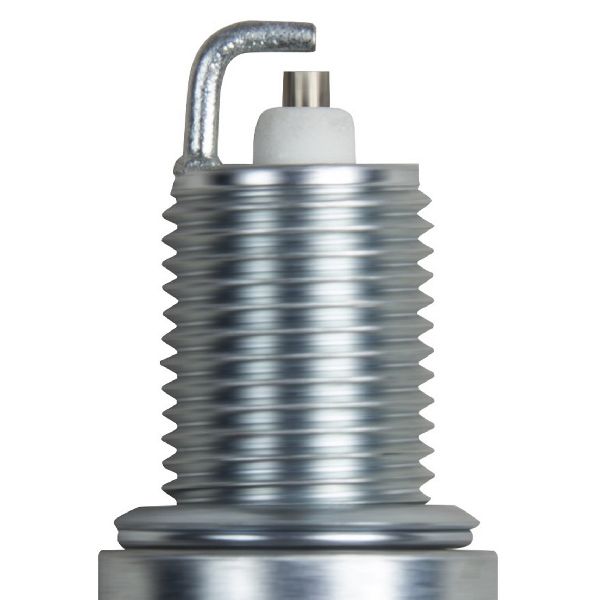
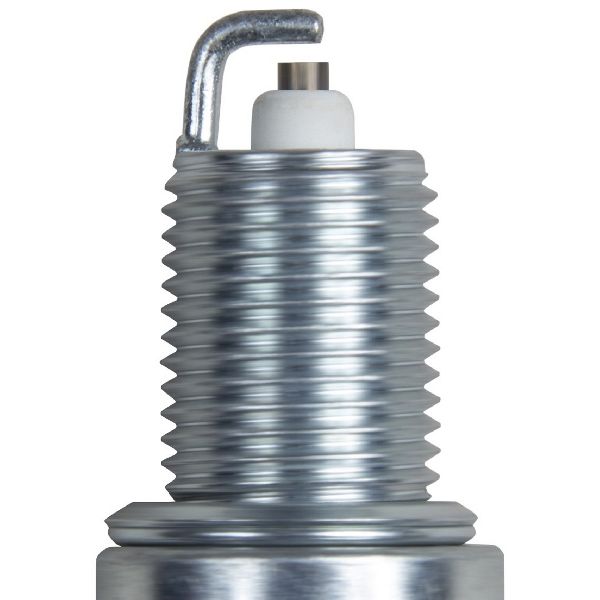
Never assume a new spark plug is gapped correctly out of the box. The "gap" is the small space between the center and ground electrodes. This distance is critical for a strong spark. For most V8 engines in this Challenger, a gap of 0.035 inches is standard, but always verify the specification for your specific engine. Using a simple gapping tool is essential for this job.
Frequently Asked Questions (FAQ)
What is the best spark plug material for my classic Challenger?
For most stock 1970-1977 Challengers, standard copper core spark plugs are the best choice. They are what the engine was designed for, offer excellent performance, and are very affordable. Brands like Champion and Autolite are popular choices.
How often should I change the spark plugs?
With standard copper plugs, it's a good practice to inspect them annually and plan on replacing them every 15,000 to 25,000 miles, or every few years if the car is not driven often. Age can degrade the plugs even without high mileage.
What does a spark plug's "heat range" mean?
The heat range refers to how quickly the spark plug tip dissipates heat. A "hotter" plug stays hotter to burn off carbon deposits, while a "colder" plug runs cooler to prevent detonation in high-performance engines. For a stock Challenger, using the standard heat range recommended by the manufacturer is crucial. Using a colder plug may be necessary for engines with significant performance modifications.
Do I need special plugs for my modified engine (e.g., 340, 440 Six-Pack)?
Yes, potentially. Higher compression or the addition of aftermarket headers might require a colder heat range plug to prevent engine-damaging detonation. If you have headers, you may also need a shorter "header plug" like those from Accel to get enough clearance for the spark plug wires.
Technical Specifications
OEM Part Numbers: RN12YC RN9YC
Spark plug selection is highly dependent on the specific engine in your Challenger. The 1970-1977 models offered a wide range, including the 225 Slant-6, 318 V8, 340 V8, 360 V8, 383 V8, 426 Hemi V8, and 440 V8. Always confirm the correct part number, heat range, and thread reach for your engine before purchasing.
We Have This Part in Stock

The information in this article is provided for general reference and educational purposes only. Vehicle specifications, procedures, and part compatibility can vary by production date, trim level, and region. Always consult your vehicle's factory service manual and verify part numbers before purchasing or performing repairs. Safety-critical components such as airbags, seat belts, and braking systems should be installed by a qualified professional.