

Choosing the Right Alternator for Your 1970-1977 Ford Maverick
Keep your classic Maverick's electrical system running strong by understanding your new aftermarket alternator options.
- Early Mavericks used an external voltage regulator; upgrading to a modern, internally regulated alternator is a common and reliable modification.
- Assess your electrical needs. If you've added accessories like electric fans or a modern stereo, choose a high-output alternator (100+ amps).
- Replacement is a simple DIY task for most owners, typically requiring only basic hand tools and about an hour of time.
- Brands like Remy and MPA offer reliable standard replacements, while Proform is a good choice for high-output and appearance upgrades.
Is Your Maverick's Alternator Failing?
The electrical system on a classic Ford Maverick is simple, but you still need to watch for signs of a failing alternator. Because the alternator powers everything electrical, symptoms often show up in multiple ways. If you notice any of these issues, it's time to inspect your charging system.
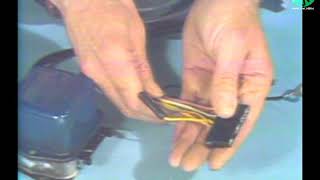
🎬 Watch: This vintage Ford training video shows how to diagnose charging issues.- Dim or Flickering Lights: Headlights that dim at idle and brighten when you rev the engine are a classic sign of a weak alternator. You might also see the interior dome light or dash lights flicker.
- Dead Battery: If you find yourself needing to jump-start your Maverick often, the alternator is likely not recharging the battery sufficiently.
- Warning Light: A battery warning light on your dashboard is a direct signal that the charging system has a problem.
- Strange Noises: A grinding or whining sound from the front of the engine can point to worn-out bearings inside the alternator.
- Electrical Problems: Slow-moving power windows or windshield wipers can also be a symptom of an alternator that can't keep up with the electrical demand.
- Burning Smell: A smell of burning rubber or hot wires can indicate an overworked alternator or a slipping belt. This is a serious symptom that should be addressed immediately.
External vs. Internal Regulators
Early Ford Mavericks used an externally mounted voltage regulator, a separate part usually found on the radiator support. 🎬 See how to test and fix an external voltage regulator. Later models and most modern replacements have an internal regulator built into the alternator itself. When upgrading, many owners choose an internally regulated or "one-wire" alternator for a cleaner installation and more reliable performance. Be aware that switching from external to internal regulation requires some minor wiring changes.
Choosing the Right Aftermarket Alternator
For a vehicle like the 1970-1977 Maverick, "new OEM" parts are no longer available. Your choices are between used original parts, remanufactured units, or new aftermarket alternators. This guide focuses on new aftermarket options, which offer modern technology and reliability without the uncertainty of a used part.
Brand Quality & Tiers
When shopping for a new alternator, you'll find several brands. Here’s a general breakdown of what to expect:
- Performance/High-Output (Proform): Proform is often associated with performance and aesthetic upgrades. They offer high-amperage alternators, sometimes in chrome or other finishes, which are a great choice if you've added modern accessories like electric fans, a powerful stereo, or brighter headlights. Upgrading to a higher-output unit may require you to also upgrade the main power wire from the alternator to the battery.
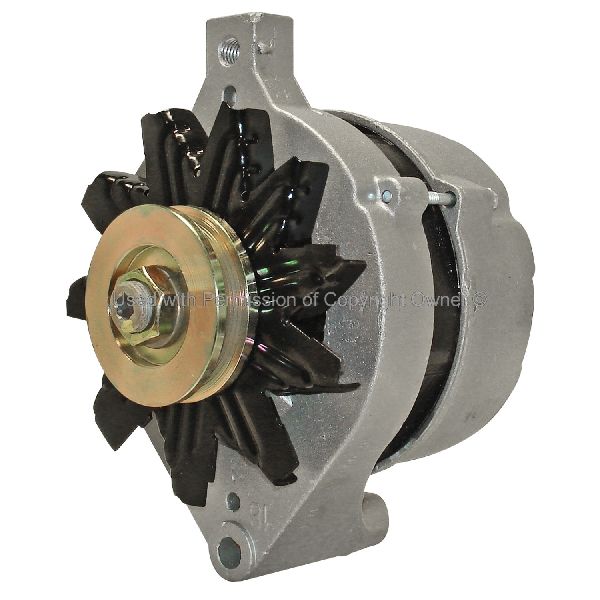
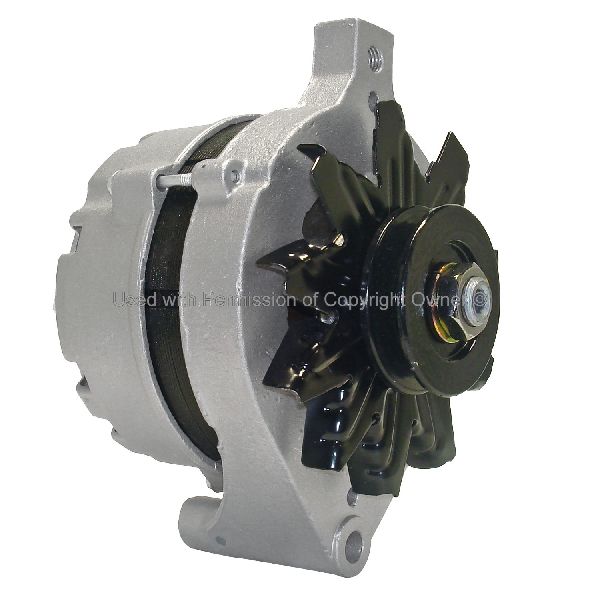
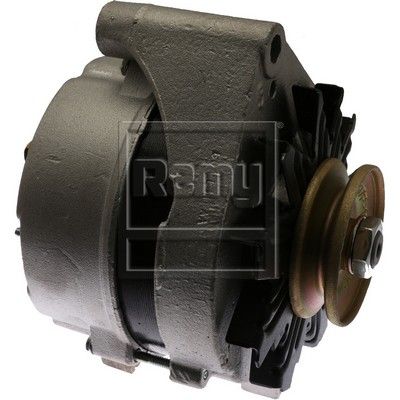
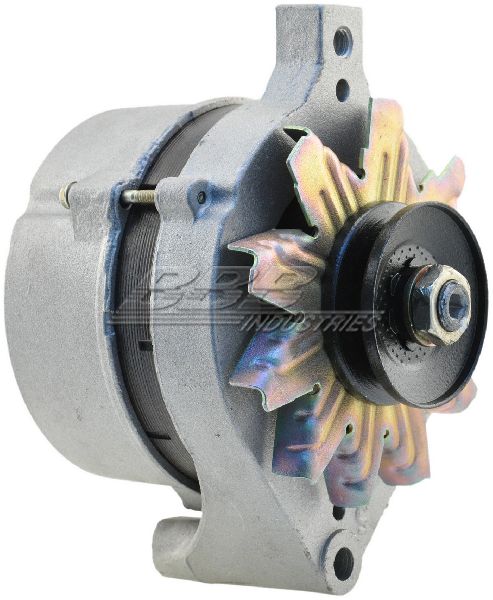
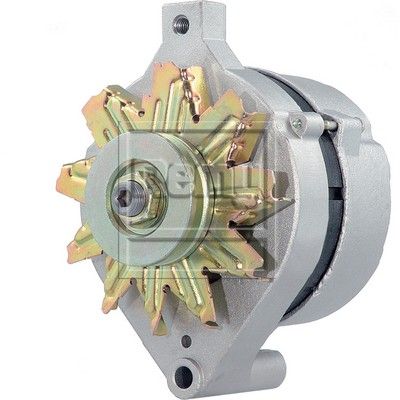
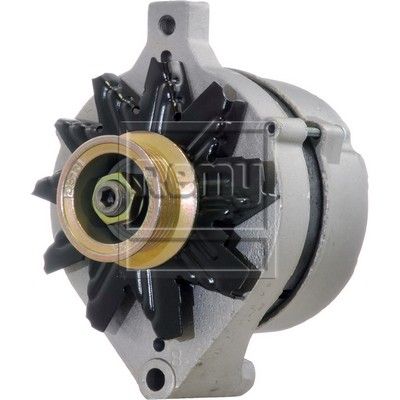
- Standard Replacement (Remy, BBB Industries, MPA): Brands like Remy, BBB, and MPA (Motorcar Parts of America) are major suppliers of new and remanufactured electrical parts. They are generally considered reliable, standard-grade replacements that meet or exceed original specifications. While individual experiences can vary, these brands offer a balance of quality and value for a daily driver or stock restoration.
Pro Tip: Check Your Amperage Needs
Original Maverick alternators (often called Ford 1G) had low output by today's standards, sometimes around 60-70 amps. If your car is mostly stock, a standard replacement will work fine. However, if you have added any modern electronics, upgrading to a 100-amp or higher alternator is a smart move to avoid electrical issues.
Cost of a New Aftermarket Alternator for Ford Maverick (1970-1977)
| Part or Service | Estimated Cost |
|---|---|
| New Aftermarket Alternator | $45 - $125 |
| Shop Labor | $100 - $200 |
| Total Estimated Cost (Installed) | $145 - $325 |
Cost estimates are for reference only and may vary based on location, vehicle condition, and specific part chosen.
Frequently Asked Questions
Do I need a high-output alternator for my Maverick?
If your Maverick is stock with no extra electrical accessories, a standard-output alternator is sufficient. If you have added or plan to add an electric cooling fan, a modern sound system, electronic ignition, or halogen/LED headlights, a high-output alternator (100+ amps) is highly recommended to handle the extra load.
What is a "one-wire" alternator?
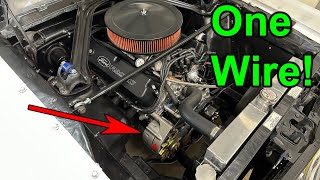
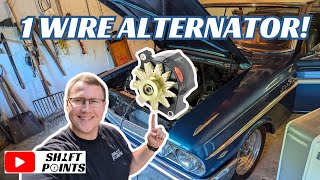
A one-wire alternator is an internally regulated unit that simplifies wiring. It only requires a single heavy-gauge wire running from its output post directly to the battery. This is a popular upgrade for classic cars because it cleans up the engine bay by eliminating the external voltage regulator 🎬 Watch: A step-by-step guide to installing a one-wire alternator. and its associated wiring.
Is replacing the alternator a DIY job?
Yes, for most people with basic mechanical skills. The alternator on a 1970s Maverick is typically easy to access at the top of the engine. The job involves disconnecting the battery, loosening two bolts, removing the V-belt, and disconnecting a few wires. The process is straightforward and usually takes about an hour.
Should I buy a new or remanufactured alternator?
This guide focuses on new aftermarket parts, which use all-new components and often come with excellent warranties. Remanufactured alternators are a budget-friendly option where the unit is rebuilt with new wear items like bearings and brushes. For peace of mind and potentially longer life, a new unit is often the preferred choice, but a quality remanufactured part from a reputable brand like Remy or MPA can also be a reliable option.
Helpful Videos
Technical Specifications
Vehicle uses a Ford 1G style alternator. Early models are externally regulated, while many aftermarket replacements are internally regulated. Stock output was typically between 60-70 amps. Upgrades to 100 amps or more are common. Mounting pattern uses two bolts, and a V-belt pulley is standard.
We Have This Part in Stock

The information in this article is provided for general reference and educational purposes only. Vehicle specifications, procedures, and part compatibility can vary by production date, trim level, and region. Always consult your vehicle's factory service manual and verify part numbers before purchasing or performing repairs. Safety-critical components such as airbags, seat belts, and braking systems should be installed by a qualified professional.
- 🎬 Helpful Videos
- 🛍️ Shop This Part
- Is Your Maverick's Alternator Failing?
- External vs. Internal Regulators
- Choosing the Right Aftermarket Alternator
- Brand Quality & Tiers
- Pro Tip: Check Your Amperage Needs
- Cost of a New Aftermarket Alternator for Ford Maverick (1970-1977)
- Frequently Asked Questions
- 🎟️ Get 5% Off