

Choosing the Right Distributor for Your 1970-1977 GMC Jimmy
A complete guide to replacing or upgrading the distributor in your classic GMC Jimmy.
- Upgrading from an original points distributor to an aftermarket HEI system is a highly recommended, reliable modification.
- Symptoms of a bad distributor include misfiring, hard starting, stalling, and poor performance.
- Choose a brand based on your needs: economy brands for stock replacement, Accel/Edelbrock for street performance, and MSD/FAST for high-horsepower builds.
- Proper installation requires marking the old distributor's position and setting the ignition timing with a timing light afterward.
Is It Time for a New Distributor?
A failing distributor can cause a wide range of engine problems, from minor annoyances to leaving you stranded. Because it controls engine timing and spark, any issue with it directly impacts how your Jimmy runs. Common symptoms include engine misfires, a rough idle, difficulty starting, and even stalling. You might also notice the engine hesitates when you accelerate or backfires. Since these trucks don't have modern check engine lights to point you to the problem, paying attention to these signs is key.
The HEI Upgrade
If your Jimmy still has its original points-style distributor, upgrading to a High Energy Ignition (HEI) unit is one of the most popular and effective improvements you can make. HEI distributors provide a much stronger, more reliable spark, which improves starting, smooths out the idle, and can even boost performance and fuel economy. They also eliminate the need for regular points adjustments, making them a low-maintenance solution.
Choosing the Right Aftermarket Distributor
With no new OEM distributors available for this generation, the aftermarket is your only option. Luckily, there's a wide range of choices to fit any need or budget. The key is to match the part to your truck's engine and how you use it.
Brand and Quality Tiers
Not all aftermarket parts are created equal. Here’s a breakdown of available brands, from basic replacements to high-performance upgrades, based on owner experiences and brand reputation.
- Economy / Stock Replacement (WAI Global, Skyward, Cardone): These brands are best for a stock engine that's used for daily driving or light work. They offer a cost-effective way to get your Jimmy running reliably. While functional, some reviews note that the quality of included components like modules or caps can be inconsistent. It's a good idea to inspect these units carefully upon arrival.
- Street Performance (Accel, Edelbrock): These are excellent choices for owners looking for an upgrade over stock without moving to a full race setup. They offer reliable HEI systems that provide a stronger spark and better performance, making them a great match for a mildly modified engine with an aftermarket carburetor or intake manifold.
- High-Performance / Racing (MSD, FAST): When maximum performance is the goal, MSD and FAST are the top choices. These distributors are built for high-RPM, high-horsepower engines and offer features like adjustable timing curves and compatibility with powerful ignition boxes. They are often considered the benchmark for serious performance builds.
Cost of a New Distributor for a 1970-1977 GMC Jimmy
| Tier | Brands | Estimated Price |
|---|---|---|
| Economy / Stock | WAI Global, Skyward, Cardone | $95 - $200 |
| Street Performance | Accel, Edelbrock | $200 - $500 |
| High-Performance | MSD, FAST | $450 - $780+ |
Don't Forget the Rest
When replacing your distributor, it's the perfect time to also replace the spark plugs and spark plug wires. For HEI upgrades, you'll need HEI-specific spark plug wires that can handle the higher voltage. Also, always apply a fresh coat of dielectric grease to the terminals to prevent corrosion and ensure a good connection.
Frequently Asked Questions
What is an HEI distributor and why should I upgrade?
HEI stands for High Energy Ignition, a system developed by GM in the mid-1970s. It uses an integrated ignition coil and electronic module to create a much higher voltage spark than the old points system. This results in better fuel burn, easier starting, a smoother idle, and eliminates the need to replace ignition points. It is widely considered a must-do upgrade for classic GM vehicles.
Do I need a special tool to replace my distributor?
While most of the job can be done with standard hand tools, a special tool called a distributor wrench can make it much easier to reach the hold-down bolt at the base of the distributor. You will also need a timing light to set the ignition timing correctly after the new distributor is installed.
What are the most common mistakes when replacing a distributor?
The most critical mistake is not marking the position of the old distributor and rotor before removing it. This can lead to incorrect installation and timing, preventing the engine from starting. Another common error is not ensuring the distributor fully seats and engages the oil pump drive shaft. Finally, failing to set the ignition timing with a timing light after installation will result in poor performance and potential engine damage.
Are there any recalls for the 1970-1977 GMC Jimmy distributor?
A search of the National Highway Traffic Safety Administration (NHTSA) database and other records found no specific recalls or technical service bulletins (TSBs) for distributors on the 1970-1977 GMC Jimmy. Issues with these components are typically due to age and normal wear. Later model GM trucks had some TSBs related to distributor cap corrosion, but these do not apply to this year range.
Technical Specifications
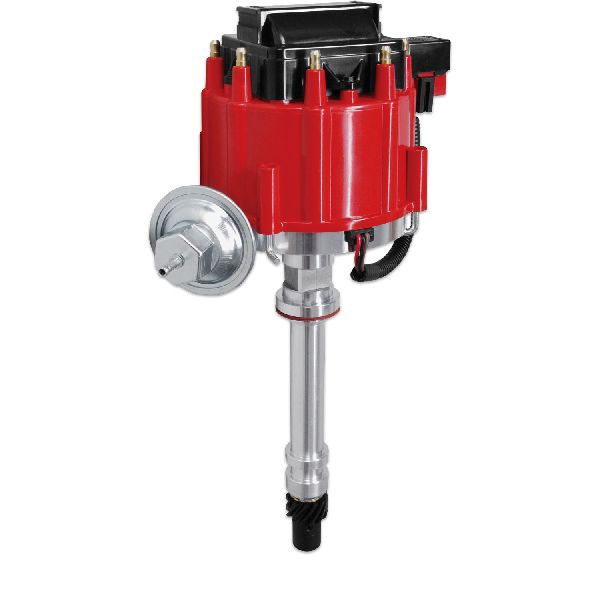
Compatibility with your specific engine (e.g., 350 V8, 454 V8) is crucial. The primary choice is between a points-style distributor (early models) and a High Energy Ignition (HEI) distributor (later models and all upgrades). HEI distributors feature a larger cap with an integrated coil.
We Have This Part in Stock


The information in this article is provided for general reference and educational purposes only. Vehicle specifications, procedures, and part compatibility can vary by production date, trim level, and region. Always consult your vehicle's factory service manual and verify part numbers before purchasing or performing repairs. Safety-critical components such as airbags, seat belts, and braking systems should be installed by a qualified professional.