

Choosing the Right Distributor Cap for Your 1970-1977 GMC Jimmy
Keep your classic Jimmy's engine firing on all cylinders with the correct new distributor cap.
- Identify your ignition system; early models (pre-1975) likely have a points-style distributor, while later models have a larger HEI distributor. The caps are different.
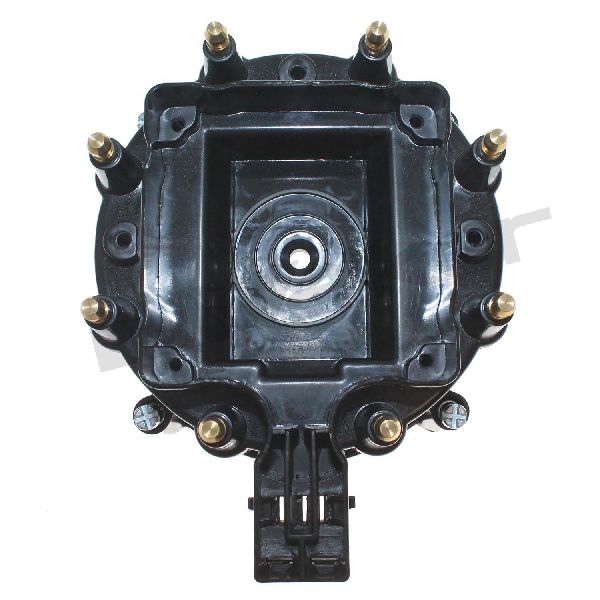
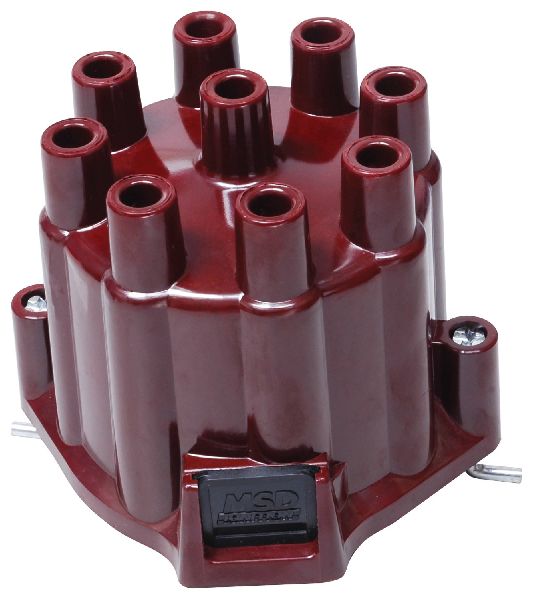
- For best performance and longevity, choose an aftermarket cap with brass terminals, such as those from MSD or premium lines from Standard Ignition.
- Always replace the distributor rotor at the same time as the cap to ensure a complete and effective repair.
- Symptoms like misfiring, rough idle, and hard starting are strong indicators that your distributor cap and rotor are due for replacement.
Symptoms of a Failing Distributor Cap on a GMC Jimmy
The distributor cap is a wear item, meaning it needs to be replaced as part of regular tune-ups. Over time, the high voltage creates corrosion on the metal terminals, and the plastic cap can develop cracks or carbon tracks. When the cap starts to fail on your 1970-1977 Jimmy, you'll notice clear signs of engine trouble.
- Engine Misfires: The engine may sputter or hesitate, feeling like it's losing power intermittently. This is often most noticeable under acceleration.
- Rough Idle: Instead of a smooth hum at a stop, the engine may shake or run unevenly.
- Hard Starting: The engine may crank for a long time before it finally starts, or it may not start at all. This can be worse in damp or cold weather as moisture inside a cracked cap can disrupt the spark.
- Engine Stalling: The engine may unexpectedly shut off while driving or when idling at a stoplight.
- Backfiring: Unburnt fuel igniting in the exhaust can cause a loud popping or banging sound.
Check for Moisture
A common issue on older GM trucks is moisture buildup inside the distributor cap, which can cause a weak spark or prevent the engine from starting even if you've confirmed spark at the plugs. Always inspect the inside of the old cap for water droplets or condensation when you remove it.
Choosing the Right Aftermarket Distributor Cap
For a classic vehicle like the 1970-1977 Jimmy, you won't be walking into a dealer for a new OEM part. The market is served by aftermarket brands that range from standard replacement to high-performance. The key difference often comes down to the materials used for the electrical terminals inside the cap.
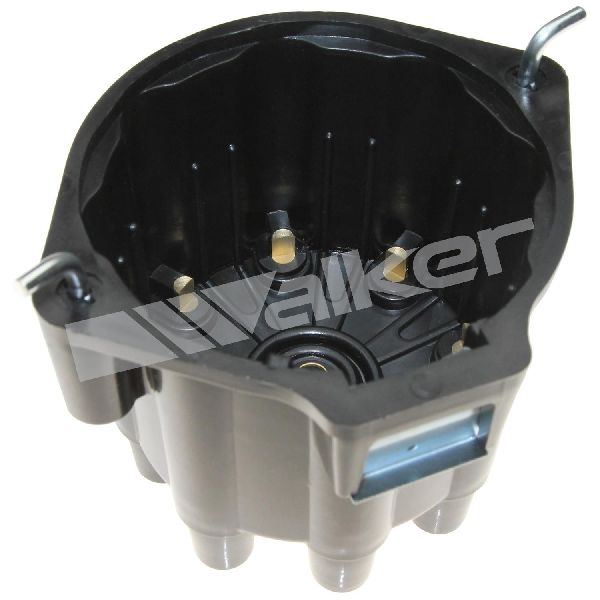
- Aluminum Terminals: This is the standard, budget-friendly option. It works fine for daily driving but is more prone to corrosion over time, which creates a white, powdery buildup.
- Brass Terminals: This is a premium and performance option. Brass is a better conductor and is much more resistant to corrosion than aluminum, ensuring a stronger, more consistent spark over a longer period.
Brand Tiers for Your Jimmy
MSD (High-Performance Tier): MSD is a well-known performance brand. Their caps are often made from superior plastic materials like Rynite for better high-voltage insulation and feature brass terminals. They are considered a significant upgrade, especially if you have a high-output ignition system. While they are the most expensive option, they offer the best performance and durability.
Standard Ignition (OEM-Quality Tier): Standard Motor Products is a trusted aftermarket brand that produces reliable parts that meet or exceed original specifications. They are a solid choice for a stock or mildly modified Jimmy and may offer options with brass terminals for better longevity.
Walker Products (Standard Tier): Walker is another established aftermarket manufacturer offering standard replacement parts. These caps are a cost-effective solution for getting a daily driver back on the road, typically featuring aluminum terminals.
Pro Tip: Points vs. HEI Ignition
During the 1970-1977 production run, GMC switched ignition systems. Early models (approx. 1970-1974) used a points-style distributor with an external ignition coil. Later models (approx. 1975-1977) used the General Motors High Energy Ignition (HEI) system, which has a larger distributor cap with the ignition coil built directly into the top. These two caps are NOT interchangeable. Always visually confirm which system your Jimmy has before ordering.
Distributor Cap Replacement Cost for 1970-1977 GMC Jimmy
The cost to replace the distributor cap is reasonable, and it's a job most owners can do themselves. The price of the part depends on the brand and materials. It is highly recommended to replace the distributor rotor at the same time as the cap.
| Item | Estimated Cost |
|---|---|
| New Aftermarket Cap & Rotor (Standard) | $21 - $45 |
| New Aftermarket Cap & Rotor (Performance/Brass) | $45 - $85 |
| Shop Labor | $50 - $100 |
Frequently Asked Questions
How often should I replace the distributor cap on my GMC Jimmy?
For a daily-driven vehicle, it's good practice to inspect the distributor cap and rotor annually and replace them as part of a major tune-up every 20,000 to 30,000 miles, or every two years. If you see heavy corrosion, cracks, or carbon tracking inside the cap, it should be replaced immediately.
Should I buy a cap with brass or aluminum terminals?
For better performance and longer life, a cap with brass terminals is the superior choice. Brass resists corrosion better than aluminum, providing a more reliable electrical connection over time. While more expensive, the improved durability is worth the cost for many owners.
Do I need to replace the rotor with the cap?
Yes. The rotor is the spinning component that makes contact with the cap's terminals. It wears out at the same rate as the cap. Replacing both at the same time is standard practice and ensures the entire system is refreshed.
Is there a recall on the distributor cap for the 1970-1977 GMC Jimmy?
No, searches of the National Highway Traffic Safety Administration (NHTSA) database show no recalls or technical service bulletins (TSBs) specifically related to the distributor cap for the 1970-1977 GMC Jimmy.
Technical Specifications
Varies by ignition type. Early models use a smaller cap for points-style distributors with an external coil. Later models (approx. 1975-77) use a large cap for the GM High Energy Ignition (HEI) system with an integrated coil. Terminal material is either aluminum (standard) or brass (premium).
We Have This Part in Stock


The information in this article is provided for general reference and educational purposes only. Vehicle specifications, procedures, and part compatibility can vary by production date, trim level, and region. Always consult your vehicle's factory service manual and verify part numbers before purchasing or performing repairs. Safety-critical components such as airbags, seat belts, and braking systems should be installed by a qualified professional.