

A Guide to Replacing the Speedometer Cable on Your 1970-1977 GMC Jimmy
Fix your bouncing or dead speedometer needle for good with the right replacement cable.
- A bouncing speedometer needle is the most common symptom of a failing cable, usually due to lack of lubrication or binding.
- You must measure your old cable's length before ordering a replacement to ensure correct fitment for your specific truck.
- Always lubricate your new cable with a proper speedometer cable lubricant before installation to ensure a long service life.
- Aftermarket brands like Pioneer offer reliable OE-style replacements, while Lokar provides a premium, cut-to-fit option for custom applications.
Signs of a Failing Speedometer Cable
When a speedometer cable starts to fail, the signs are usually obvious. Because the system is mechanical, you'll often see and hear the problem directly. Keep an eye out for these symptoms:
- Bouncing Speedometer Needle: This is the most common symptom. A cable that is binding, kinking, or lacks lubrication will spin erratically, causing the needle to jump around, especially at lower speeds.
- No Speed Reading: If the inner cable has snapped or disconnected from the transmission or the gauge, the speedometer needle won't move at all.
- Squealing or Whining Noise: A dry, unlubricated cable spinning inside its housing can create a noticeable squealing or clicking sound from behind the dashboard. This indicates the cable is binding and needs attention before it breaks.
Is It the Cable or the Gauge?
Most of the time, these symptoms point to a bad cable, not the speedometer head itself. The cable is a moving part that wears out, stretches, and gets dirty over time. Replacing the cable is the most likely and most affordable fix.
Choosing the Right Aftermarket Speedometer Cable
Since new original equipment (OEM) parts from GM are no longer produced for this truck, you will be choosing from aftermarket brands. Quality and price can vary, so it's important to know what you're buying.
Brand Tiers for Your GMC Jimmy
- Premium / Custom (Lokar, B&M): Brands like Lokar are known for high-quality, durable components. They often feature stainless steel braided housings and are designed as "cut-to-fit" kits, which is ideal for modified trucks with different transmissions or routing needs. These are premium options with a higher price but offer excellent longevity and performance.
- Standard Replacement (Pioneer Cable): Pioneer is a common and reliable choice for a standard replacement. Their cables are designed to meet original specifications and are a direct-fit replacement, making installation straightforward for a stock truck. Reviews are generally positive, offering a good balance of quality and price.
- Economy (ATP): ATP offers parts at a very budget-friendly price point. While they can be a good value, quality can sometimes be inconsistent compared to higher-priced brands. This may be a viable option for a quick fix or a limited-use vehicle.
Measure Before You Buy!
The most critical step is to confirm the length you need. Over the years, different transmissions and configurations were used. Measure your original cable from tip to tip to ensure you order the correct replacement. If your new cable is slightly longer, simply route it with wider, gentler curves, ensuring it stays away from hot exhaust pipes and moving suspension parts.
| Part Type | Estimated Cost | Notes |
|---|---|---|
| New Aftermarket | $16 - $152 | Wide range from standard replacements (Pioneer) to premium cut-to-fit kits (Lokar). |
| New OEM | Not Available | Original GM parts are no longer manufactured. |
| Used OEM | Varies | Possible to find at salvage yards, but condition is not guaranteed. A new aftermarket part is often a more reliable choice. |
Frequently Asked Questions
Why is my speedometer needle bouncing?
A bouncing needle is almost always caused by the inner speedometer cable binding inside the outer housing. This happens when the cable is dry from a lack of lubrication, has a kink, or has stretched over time, putting pressure on the back of the gauge. Replacing or lubricating the cable will usually solve the problem.
Do I need to lubricate my new speedometer cable?
Yes, it is highly recommended. While some cables come pre-lubricated, adding a quality graphite-based or silicone grease before installation ensures smooth operation and extends the life of the cable. Do not use heavy grease near the speedometer head, as it can work its way into the gauge.
How do I know what length cable to buy?
The best way is to remove and measure your old cable. Due to variations in transmissions and models over the years, relying on a generic catalog listing can sometimes lead to getting the wrong part. If you can't measure, check with suppliers that list specific lengths like 69-inch or 70-inch and compare the end fittings to your original.
Is replacing a speedometer cable a difficult job?
No, it is a job most DIY mechanics can handle. It requires basic tools and access to the back of the instrument cluster and the side of the transmission. The main challenge is often reaching the clip on the back of the speedometer, which can be in a tight space. The cable simply clips onto the speedometer and screws onto the transmission.
Technical Specifications
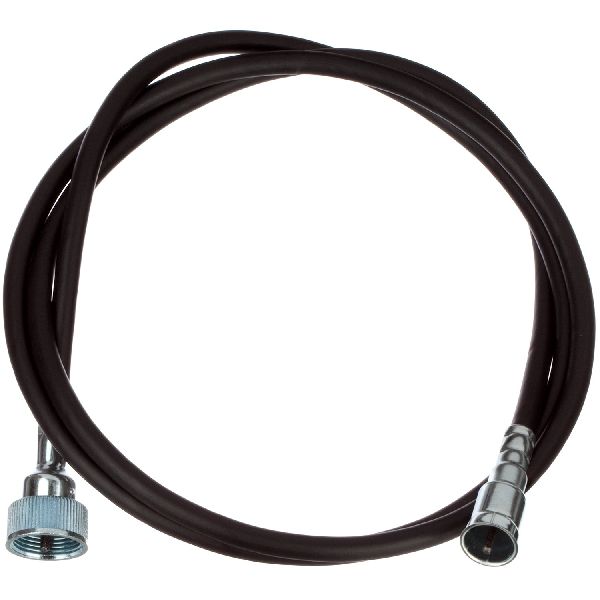
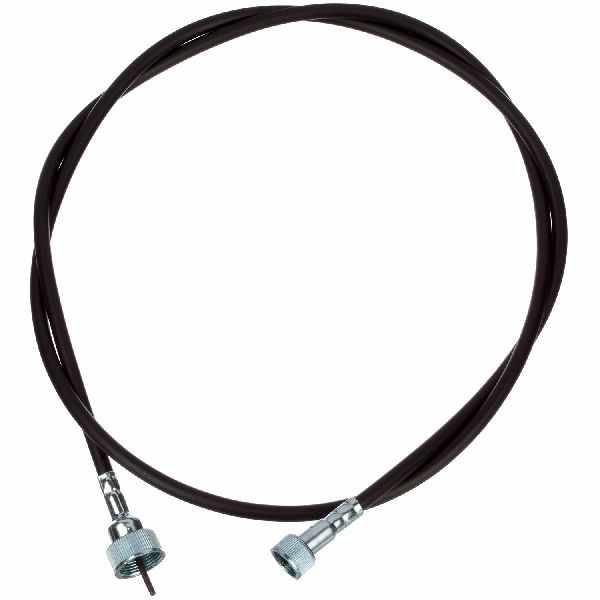
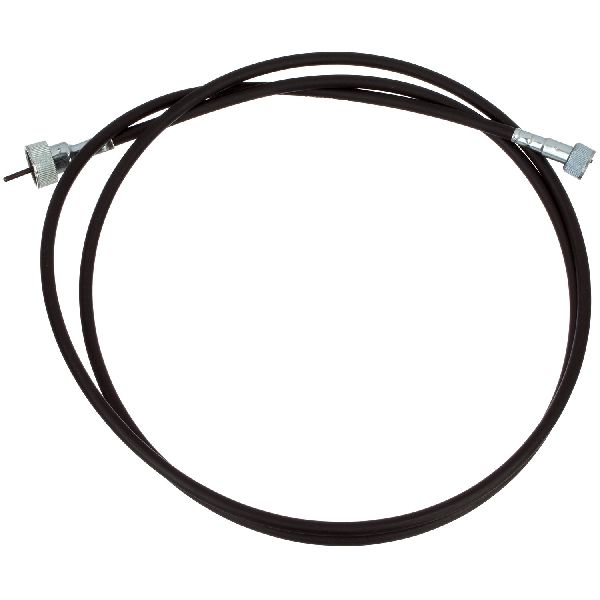
Key specifications are the overall length of the cable and the type of fittings at each end. The speedometer head connection is typically a clip-on style for this generation GM truck. The transmission end is a screw-on fitting, often with a 7/8"-18 thread. Aftermarket gauges or custom setups may use a 5/8"-18 thread, so confirming your connections is crucial.
We Have This Part in Stock


The information in this article is provided for general reference and educational purposes only. Vehicle specifications, procedures, and part compatibility can vary by production date, trim level, and region. Always consult your vehicle's factory service manual and verify part numbers before purchasing or performing repairs. Safety-critical components such as airbags, seat belts, and braking systems should be installed by a qualified professional.