

Ford Maverick Brake Light Switch Guide for 1970-1978 Models
Everything you need to know about diagnosing and replacing the brake light switch on your classic Ford Maverick.
- A bad switch will either cause brake lights to fail completely or stay on constantly.
- Driving without working brake lights is a critical safety risk and should be fixed immediately.
- If a new switch and fuse don't solve the problem, the turn signal switch is the next most likely cause.
- Replacement is simple but physically awkward; it is a very manageable DIY job for most owners.
Diagnosing a Faulty Brake Light Switch
A failing brake light switch on a first-generation Maverick typically shows one of two clear symptoms. Because this is a critical safety component, you should address these issues immediately.
Common Symptoms of Failure
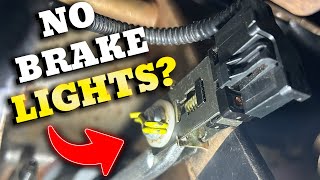
- Brake Lights Do Not Turn On: The most dangerous symptom is when your brake lights fail to illuminate when you press the brake pedal. This can be caused by an internal failure in the switch, preventing it from completing the electrical circuit. 🎬 Watch this guide on how to test and fix Ford switches. Before replacing the switch, always check the fuse first to ensure it hasn't blown.
- Brake Lights Stay On: If the switch fails in the 'on' position or becomes stuck, your brake lights will remain lit even when your foot is off the pedal. This can confuse other drivers, drain your battery overnight, and cause the bulbs to burn out prematurely.
Check the Turn Signal Switch
On many Ford vehicles from this era, the power for the brake lights runs through the turn signal switch in the steering column. If you replace the brake light switch and the lights still don't work, the turn signal switch is a common secondary culprit. Sometimes, jiggling the turn signal lever can make the brake lights work temporarily, indicating a problem with the column switch, not the brake light switch itself.
Choosing the Right Aftermarket Part
For a vehicle as old as the 1970-1978 Maverick, finding new original equipment (OEM) parts from Ford is nearly impossible. The original parts have been discontinued for many years. Fortunately, the aftermarket provides reliable replacements.
- OEM vs. Aftermarket: Since New Old Stock (NOS) Ford switches are rare and expensive, the go-to choice is a new aftermarket part. Brands like Standard Ignition produce direct-fit replacements that meet or exceed the original specifications. For a simple mechanical switch like this, a quality aftermarket part offers excellent reliability and value.
- Brand Quality: Standard Ignition (also known as Standard Motor Products) is a long-standing, reputable brand in the automotive aftermarket. Their parts are known for being dependable, direct-fit replacements, making them a trusted choice for professional mechanics and DIYers alike.
DIY Replacement Guide
Replacing the brake light switch is a job most Maverick owners can do themselves with basic tools. The main challenge is the awkward position required to work under the dashboard.
- Location: The switch is mounted on the brake pedal support bracket, with its plunger making contact with the pedal arm. You will find it by following the brake pedal up from the floor.
- Process: First, disconnect the negative battery terminal. Then, reach under the dash and unplug the electrical connector from the switch. The switch is held onto the pedal pin by a small hairpin-style clip. Remove this clip, and the switch will slide off the pin.
- Installation: Pay attention to any plastic bushings on the pin, as they are important for proper switch operation. Slide the new switch onto the pin, secure it with the clip, and reconnect the electrical plug. Reconnect the battery and test the brake lights thoroughly. 🎬 Watch this walkthrough for replacing the switch and flasher relays.
Pro Tip: Some owners find it much easier to work under the dash by removing the driver's seat first. This gives you more room to lie on your back and see what you're doing.
Cost of Replacing a Brake Light Switch (1970-1978 Ford Maverick)
| Part Type | Estimated Cost |
|---|---|
| New Aftermarket Switch (DIY) | $25.42 |
| Shop Labor | $50 - $75 |
| Total Professional Replacement | $75 - $101 |
Frequently Asked Questions
Can I still drive my Maverick with a bad brake light switch?
No. Driving without functional brake lights is extremely dangerous and illegal. It dramatically increases your risk of being rear-ended. If your brake lights are stuck on, it can confuse other drivers and lead to a dead battery. This part should be replaced immediately upon failure.
I replaced the switch, but my brake lights still don't work. What's wrong?
First, double-check the fuse. If the fuse is good, the most likely culprit is the turn signal switch in the steering column. The brake light power routes through this switch, and they are a known failure point that can mimic a bad brake light switch.
🎬 See how a faulty turn signal switch affects your brake lights.Is this a difficult part to replace myself?
The job itself is not mechanically complex, but it can be physically difficult due to the tight space under the dashboard. It requires working in an uncomfortable position. However, with patience, it is a very feasible DIY repair for most owners.
Are original Ford brake light switches still available?
New brake light switches from Ford for this generation of Maverick have been discontinued. You might find a New Old Stock (NOS) part online, but a quality new aftermarket switch from a brand like Standard Ignition is the most practical and reliable solution.
Helpful Videos
Technical Specifications
OEM Part Numbers: C9AZ-13480-A D0DZ-13480-B
Mechanical plunger-type switch, 2-terminal, mounts on brake pedal support.
We Have This Part in Stock


The information in this article is provided for general reference and educational purposes only. Vehicle specifications, procedures, and part compatibility can vary by production date, trim level, and region. Always consult your vehicle's factory service manual and verify part numbers before purchasing or performing repairs. Safety-critical components such as airbags, seat belts, and braking systems should be installed by a qualified professional.