

Engine Coolant Thermostat Guide for 1970-1978 Ford Mustangs
Keep your classic Mustang's engine temperature in check by understanding, diagnosing, and choosing the right thermostat.
- A thermostat stuck closed will cause rapid overheating; pull over immediately.
- For most applications, a standard Motorcraft or Gates thermostat with a 180°F or 195°F rating is the best choice.
- A lower temperature thermostat will not fix an overheating problem.
- Always replace the gasket with the thermostat and inspect the housing for corrosion.
Is Your Mustang's Thermostat Failing?
A thermostat is a simple mechanical part, but its failure can lead to serious engine problems. For classic cars like the 1970-1978 Mustang, symptoms are usually straightforward. The part can fail in two ways: stuck open or stuck closed.
A thermostat stuck closed is the most dangerous scenario. It traps coolant within the engine, preventing it from reaching the radiator. This will cause the engine to overheat quickly, which can lead to warped cylinder heads, blown head gaskets, and catastrophic engine damage. If you see your temperature gauge rapidly climbing into the red, pull over immediately.
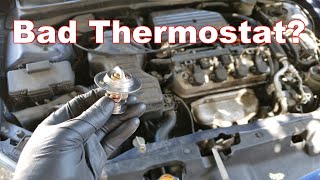
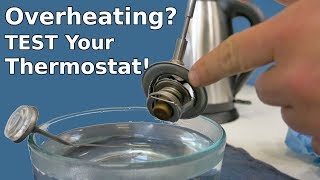
A thermostat stuck open is less severe but still problematic. It allows coolant to flow to the radiator constantly. This means your engine will take a very long time to warm up to the proper operating temperature, or it may never get there at all, especially in colder weather. 🎬 Watch: How to troubleshoot a bad thermostat in your engine. This can lead to poor performance, decreased fuel economy, and increased engine wear over time.
Choosing the Right Aftermarket Thermostat
For a 1970-1978 Mustang, you have several good aftermarket options. Since these cars are pre-computer, they are less sensitive than modern vehicles, but using a quality part is still critical to avoid overheating or running too cold. Always test a new thermostat in a pot of boiling water with a thermometer before installation to ensure it opens at the correct temperature.
🎬 See how to test a thermostat using the boiling water method.Brand Quality Tiers
- OEM-Equivalent (Motorcraft): Motorcraft is Ford's own parts brand and is the original equipment manufacturer (OEM). For a stock restoration or daily driver, a Motorcraft thermostat is a reliable, high-quality choice that is designed to meet the original factory specifications.
- High-Quality Aftermarket (Gates): Gates is a well-respected brand in the aftermarket world. Their thermostats are generally considered reliable and are a solid alternative to Motorcraft, often at a slightly lower price point.
- Performance Aftermarket (Edelbrock, Mr. Gasket): Brands like Edelbrock and Mr. Gasket often offer 'high-flow' thermostats. These are designed to open and allow more coolant to pass through, which can be beneficial for modified engines with high-performance water pumps. For a stock or lightly modified Mustang, a standard flow thermostat is usually sufficient. Some users have reported quality control issues with Mr. Gasket parts in recent years.
- Budget Aftermarket (Motorad): Motorad is a major manufacturer that produces thermostats for many different brands, including some store brands. While widely available and inexpensive, owner feedback is mixed, with some reporting premature failures or incorrect opening temperatures. It's often considered a budget-tier option; use with caution.
Pro Tip: What Temperature Rating?
For most stock V8, inline-6, and V6 engines in 1970-1978 Mustangs, a 180°F or 195°F thermostat is standard. Using a lower temperature thermostat (like 160°F) will not solve an overheating problem. An overheating issue is caused by a different problem in the cooling system, such as a clogged radiator, bad water pump, or a thermostat that's stuck closed.
Common Ordering Mistakes
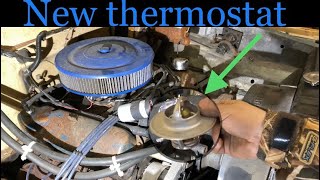
The 1970-1978 period covers two different Mustang generations with a wide variety of engines (I4, I6, V6, and multiple V8s). The most common mistake is ordering a thermostat for the wrong engine. The 351 Windsor and 351 Cleveland V8s, for example, use different thermostats. 🎬 Watch this walkthrough for replacing a thermostat in Ford V8 engines. Always verify the part is correct for your specific year, model, and engine before purchasing.
Estimated Costs for Thermostat Replacement
| Part Type | Estimated Cost |
|---|---|
| New Aftermarket Thermostat | $8 - $56 |
| Shop Labor | $75 - $150 |
Note: Costs are estimates and can vary based on location, vehicle condition, and the specific parts chosen.
Frequently Asked Questions (FAQ)
Should I replace the gasket and housing with the thermostat?
Yes, you should always replace the gasket. It's a cheap part that ensures a leak-free seal. Inspect the thermostat housing (also called a water neck) for corrosion, pitting, or cracks. On a 50-year-old car, it's good practice to replace it if it shows any signs of wear to prevent future leaks.
What's the difference between a stuck open and stuck closed thermostat?
A thermostat stuck closed prevents coolant from flowing to the radiator, causing rapid engine overheating. This is a critical failure. A thermostat stuck open allows constant coolant flow, preventing the engine from reaching operating temperature, which leads to poor fuel economy and performance.
Do I need a 'high-flow' thermostat?
For a stock or mildly modified engine, a standard, quality thermostat is perfectly fine. High-flow thermostats from brands like Edelbrock or Mr. Gasket are designed to be paired with high-flow water pumps and are most beneficial for heavily modified, high-performance engines.
Are there any recalls for the 1970-1978 Mustang thermostat?
No, there are no active recalls or common Technical Service Bulletins (TSBs) related to the engine coolant thermostat for the 1970-1978 Ford Mustang. Any issues are typically due to normal wear and tear on these aging components.
Helpful Videos
Technical Specifications
Standard temperature ratings are typically 180°F or 195°F. High-flow and standard-flow designs are available. The physical design varies significantly between different Ford engines of this era (e.g., Windsor vs. Cleveland V8s).
We Have This Part in Stock


The information in this article is provided for general reference and educational purposes only. Vehicle specifications, procedures, and part compatibility can vary by production date, trim level, and region. Always consult your vehicle's factory service manual and verify part numbers before purchasing or performing repairs. Safety-critical components such as airbags, seat belts, and braking systems should be installed by a qualified professional.