

A Guide to Spark Plugs for the 1970-1978 Ford Mustang
Choosing the right spark plug is critical for the health and performance of your classic Mustang's engine.
- For most stock 1970-1978 Mustangs, standard copper-core spark plugs from Motorcraft or Autolite are the best choice.
- Avoid using more expensive platinum or iridium plugs, as they may cause performance issues with the original ignition system.
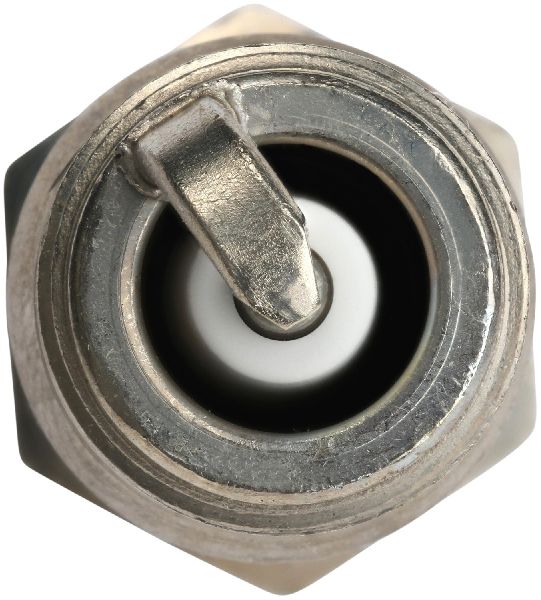
- Always check and adjust the spark plug gap with a gapping tool before installation to match your engine's specific requirements.
- There are no known factory recalls or TSBs for spark plugs on this generation of Mustang; problems are typically due to normal wear or incorrect part selection.
Signs of Failing Spark Plugs
Worn-out spark plugs can cause several noticeable engine problems. Because these classic Mustangs depend on a strong, consistent spark, even small plug issues can hurt performance. Common symptoms include a rough idle, engine hesitation during acceleration (misfires), difficulty starting the engine, and a drop in fuel economy. In many cases, black and sooty (fouled) spark plugs can also be a symptom of another problem, like a carburetor that is running too rich or an engine that is burning oil.
🎬 See how to read your spark plugs to diagnose engine issues.Choosing the Right Aftermarket Spark Plug
The most important factor when choosing a spark plug is matching it to your Mustang's specific engine. The 1970-1978 period included a wide range of engines, from inline-sixes to V8s like the 302, 351 Windsor, and 351 Cleveland, each with different needs. For these vehicles, newer technology is not always better. The original ignition systems were designed for standard copper-core spark plugs, and they remain the best choice for most owners.
Avoid Platinum and Iridium on Stock Engines
While modern platinum and iridium spark plugs are marketed for their long life, they are not recommended for stock or lightly modified 1970-1978 Mustangs. These plugs are more expensive and can sometimes cause performance issues because the original ignition systems were not designed for them. Standard copper plugs are better electrical conductors and work best with the voltage supplied by the stock ignition system.
Brand Tiers for Your Mustang
| Tier | Brands | Assessment |
|---|---|---|
| OEM & Recommended Standard | Motorcraft, Autolite | These are the brands your Mustang was likely built with. Mechanics and owners agree that standard copper plugs from Motorcraft and Autolite (who often manufactures plugs for Motorcraft) provide the most reliable performance for stock engines. They are inexpensive and work exactly as intended. |
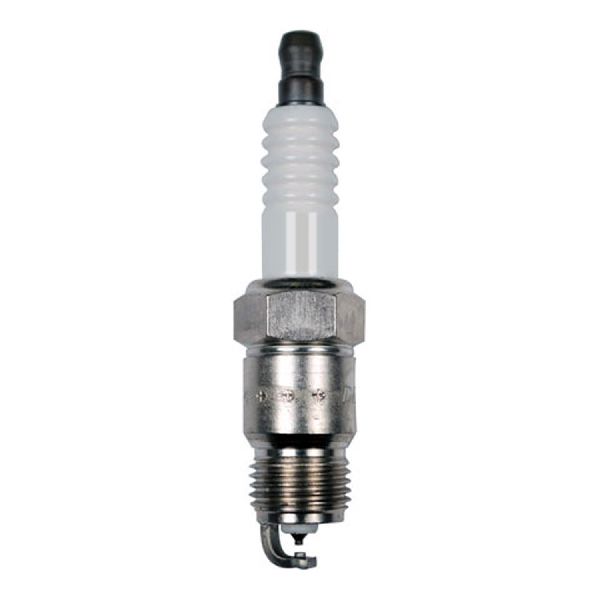
| High-Quality Aftermarket | NGK, Denso | NGK and Denso are respected brands that make excellent quality copper spark plugs. They are a great alternative to Motorcraft or Autolite and are trusted by many for their reliability and performance in classic Fords. |
| Performance / Modified Engines | Accel, MSD | If your Mustang has significant engine modifications like higher compression, a performance camshaft, or an upgraded ignition system, you may need a different 'heat range' plug. Brands like Accel and MSD specialize in performance ignition parts and offer plugs designed to handle the extra heat and demands of a modified engine. |
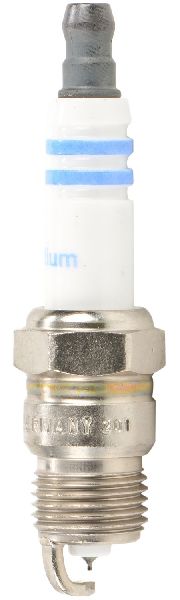
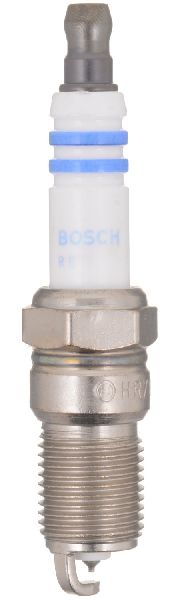
| Budget Options | Champion, Bosch | While available, some owners in forums report that Champion plugs may not last as long as Autolite or NGK. Bosch plugs also receive mixed reviews for this specific vehicle generation, with many owners preferring to stick with standard copper designs. |
Don't Forget to Check the Gap
Spark plugs do not always come pre-gapped correctly for your specific engine. Always use a gapping tool to check and adjust the space between the electrodes before installation. The correct specification can be found on your vehicle's under-hood emissions sticker or in a service manual. A common gap for V8s of this era is around 0.044 inches, but you must verify it for your exact engine.
🎬 Watch: A quick guide on how to gap spark plugs easily.Known Issues, Recalls, and Service Bulletins
There are no specific spark plug-related recalls or Technical Service Bulletins (TSBs) from the National Highway Traffic Safety Administration (NHTSA) for the 1970-1978 Ford Mustang. Widespread issues like spark plugs breaking in the cylinder head are associated with much newer Ford engines from the late 1990s and 2000s and do not apply to this generation of Mustang.
Frequently Asked Questions (FAQ)
How often should I change spark plugs on my classic Mustang?
For standard copper spark plugs, a good replacement interval is every 10,000 to 20,000 miles or every two years. This is much more frequent than modern cars but is essential for maintaining peak performance with an older ignition system.
What is a spark plug 'heat range'?
The heat range measures how quickly the spark plug tip dissipates heat. A 'cold' plug transfers heat quickly and is used in high-performance, high-compression engines. A 'hot' plug transfers heat more slowly to burn off carbon deposits in low-speed, low-compression engines. Using the correct heat range is critical to prevent engine damage.
Do I need to use anti-seize on the threads?
Many mechanics recommend using a very small amount of anti-seize compound on the plug threads to prevent them from getting stuck in the cylinder head, especially with aluminum heads. However, be extremely careful not to get any on the electrode or the porcelain insulator, as this can cause a misfire. Some plug manufacturers advise against it, so follow the recommendation for the specific plug you purchase.
How do I know which plug is for a 351C vs. a 351W?
The 351 Cleveland (C) and 351 Windsor (W) are different engine families and may require different spark plugs. It is critical to identify your engine and use a parts catalog to select the correct plug. 🎬 Watch: A complete walkthrough of replacing spark plugs and wires. The 351C was typically used from 1970-1973. If you are unsure, consult a service manual or an experienced mechanic.
Helpful Videos
Technical Specifications
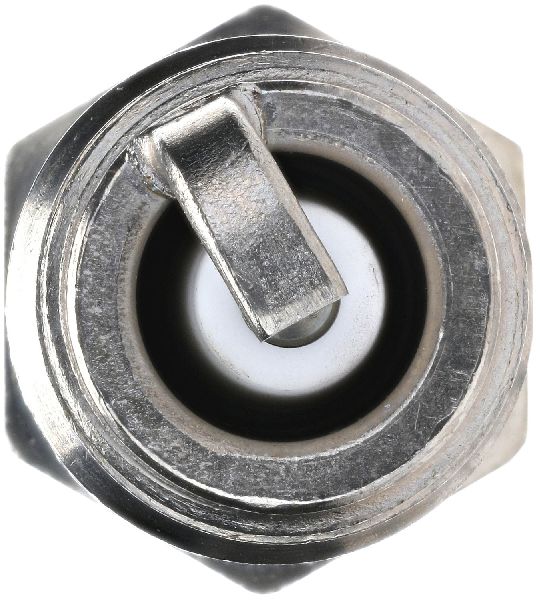
OEM Part Numbers: ASF42C ASF52 ARF52 BF42 AF32
The key specifications are the thread size (typically 14mm or 18mm depending on the cylinder head), heat range, and electrode gap. The gap must be set manually before installation, with a common specification being 0.044 inches, but this varies by engine and ignition system.
We Have This Part in Stock


The information in this article is provided for general reference and educational purposes only. Vehicle specifications, procedures, and part compatibility can vary by production date, trim level, and region. Always consult your vehicle's factory service manual and verify part numbers before purchasing or performing repairs. Safety-critical components such as airbags, seat belts, and braking systems should be installed by a qualified professional.
- 🎬 Helpful Videos
- 🛍️ Shop This Part
- Signs of Failing Spark Plugs
- Choosing the Right Aftermarket Spark Plug
- Avoid Platinum and Iridium on Stock Engines
- Brand Tiers for Your Mustang
- Don't Forget to Check the Gap
- Known Issues, Recalls, and Service Bulletins
- Frequently Asked Questions (FAQ)
- 🎟️ Get 5% Off