

Chevrolet Impala Radiator Guide for 1970-1979 Models
Keep your classic Impala's engine cool by choosing the right new aftermarket radiator.
- For this era, aftermarket aluminum radiators are a performance upgrade over original brass/copper units.
- Verify if you need a radiator with a built-in transmission cooler for automatic models.
- Brands like Frostbite offer high-performance, all-aluminum options, while Spectra and ACDelco provide reliable standard replacements.
- There are no active recalls or TSBs for the radiator on these vehicles; failures are due to age.
Signs of a Failing Radiator in Your 1970-1979 Impala
For a classic car like the 1970-1979 Chevrolet Impala, the original brass and copper radiators have likely been replaced or are nearing the end of their life. Watch for these clear signs that your radiator needs attention.
- Engine Overheating: This is the most obvious sign. If the temperature gauge on your dash climbs into the red, your radiator isn't doing its job. Continuing to drive an overheating car can lead to severe engine damage.
- Coolant Leaks: Finding puddles of bright green or orange fluid under your car means you have a leak. On these older models, leaks can come from cracked radiator tanks, old hoses, or rusted areas.
- Rusty or Discolored Coolant: If you check your coolant and it looks brown or rusty, it's a sign of internal corrosion in the radiator or engine. This rusty fluid can clog the radiator, making it less effective.
- Visible Damage or Corrosion: Look at the radiator itself. If you see a lot of rust on the outside, or if the thin metal fins are bent and damaged, it can't cool properly.
- Sweet Smell: A sweet, syrupy smell after you've been driving can be a sign of a small coolant leak. The coolant is burning off on a hot surface.
Choosing the Right Aftermarket Radiator
For a vehicle from the 1970s, finding a "new" original equipment (OEM) part is nearly impossible. The market consists of new aftermarket parts, which are often upgrades over the original technology.
Original vs. Aftermarket Materials
| Material | Pros | Cons |
|---|---|---|
| Copper/Brass (Original Style) | - Maintains a classic, original look. - Easy to repair by most radiator shops. |
- Heavier. - Less efficient at cooling compared to aluminum. |
| Aluminum (Modern Aftermarket) | - Lighter weight. - Cools more effectively. - Often more durable with welded seams. |
- Can be harder to repair. - Polished versions may not fit a stock look. |
Aftermarket Brand Tiers for Your Impala
Several brands offer direct-fit radiators for the 1970-1979 Impala. They generally fall into two categories: standard replacement and performance upgrade.
- Standard Replacement (ACDelco, Spectra, Onix, One Stop Solutions): These brands offer radiators that meet or exceed original specifications. They are a good choice for stock or mildly modified engines. Spectra is a common brand, often made in Canada or China, and is generally considered a reliable, budget-friendly option. 🎬 Watch: Replacing a standard radiator in a classic Chevy engine bay. ACDelco parts are GM's official brand, but for older vehicles, the parts may be manufactured by another company like Spectra and rebranded. These are typically aluminum cores with plastic tanks.
- Performance Upgrade (Frostbite): Brands like Frostbite specialize in high-performance aluminum radiators. These often feature all-aluminum construction with TIG-welded tanks, which are stronger than the plastic tanks on standard replacements. They may also have more rows or larger tubes for increased cooling capacity, making them ideal for high-horsepower engines, cars in hot climates, or those used for towing.
Pro Tip: Check Your Core and Rows
When ordering, pay close attention to the core dimensions and the number of rows. A '3-row' or '4-row' radiator offers more cooling capacity than a '1-row' or '2-row' model. For V8 engines, especially big blocks, a higher row count is recommended. Also, verify inlet/outlet locations to match your engine's hoses.
Known Issues, Recalls, and Bulletins
Due to the age of the 1970-1979 Chevrolet Impala, there are no active radiator-specific recalls or Technical Service Bulletins (TSBs) from the NHTSA. Any original issues would have been addressed decades ago. The most common problem today is simply age-related failure of the original or older replacement parts.
Frequently Asked Questions (FAQ)
Do I need a special radiator for my automatic transmission?
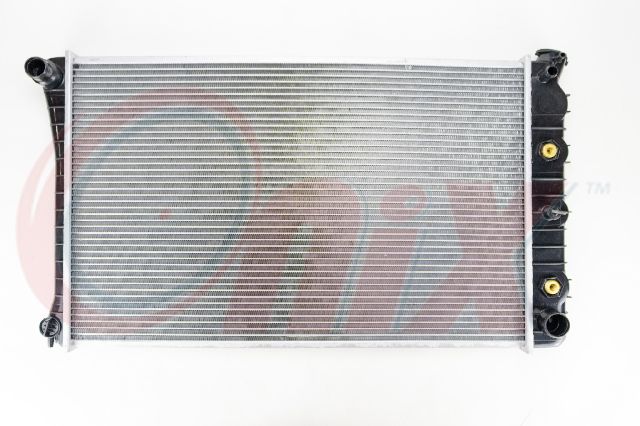
Yes. Radiators for cars with automatic transmissions have an internal cooler for the transmission fluid. You will see two smaller fittings for the transmission lines, in addition to the large upper and lower radiator hose connections. Make sure the radiator you buy is specified for an automatic transmission if your car has one.
Should I upgrade to an aluminum radiator?
For most owners, an aluminum radiator is a good upgrade. They are more efficient at cooling and lighter than the old copper/brass units. If you have a high-performance engine or live in a hot climate like Florida or Texas, an aluminum radiator is highly recommended to prevent overheating.
How difficult is it to replace the radiator on a 70s Impala?
For a mechanically inclined person with basic tools, it is a straightforward job. The process involves draining the coolant, disconnecting the hoses and transmission lines, unbolting the old radiator, and installing the new one. There is generally a lot of room to work in the engine bay of these cars compared to modern vehicles.
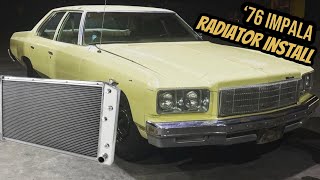
🎬 See this step-by-step radiator replacement on a 1976 Impala.What kind of coolant should I use?
For these older vehicles with mixed metal types (iron block, aluminum radiator), a traditional green IAT (Inorganic Additive Technology) coolant is a safe and effective choice. Some modern coolants can be incompatible with the materials used in classic cars. When using an aluminum radiator, ensure the antifreeze does not contain nitrates, as this can void the warranty on some units.
Helpful Videos

Technical Specifications
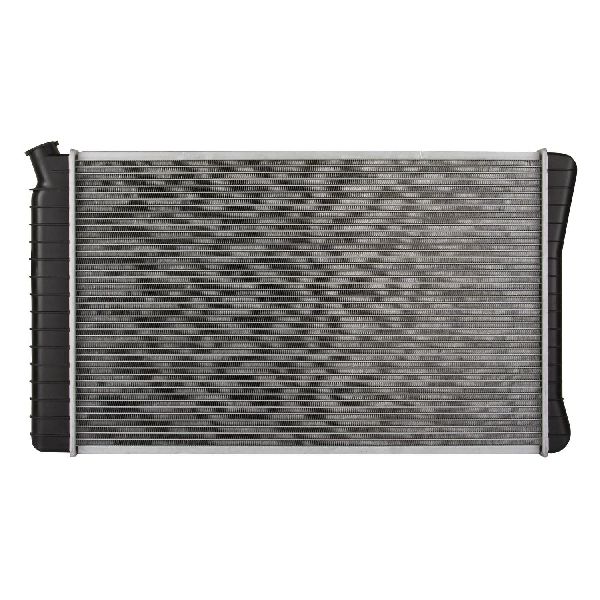
Core dimensions for most models are approximately 28-1/4" x 17-1/4". Radiators are a crossflow design. Inlet and outlet locations vary by engine type and year, so confirm before purchasing. Most aftermarket options are 1-row, 2-row, 3-row, or 4-row aluminum cores. Automatic transmission versions include an integrated transmission oil cooler.
We Have This Part in Stock


The information in this article is provided for general reference and educational purposes only. Vehicle specifications, procedures, and part compatibility can vary by production date, trim level, and region. Always consult your vehicle's factory service manual and verify part numbers before purchasing or performing repairs. Safety-critical components such as airbags, seat belts, and braking systems should be installed by a qualified professional.
- 🎬 Helpful Videos
- 🛍️ Shop This Part
- Signs of a Failing Radiator in Your 1970-1979 Impala
- Choosing the Right Aftermarket Radiator
- Original vs. Aftermarket Materials
- Aftermarket Brand Tiers for Your Impala
- Pro Tip: Check Your Core and Rows
- Known Issues, Recalls, and Bulletins
- Frequently Asked Questions (FAQ)
- 🎟️ Get 5% Off