

1970-1980 Dodge Challenger Neutral Safety Switch: A Complete Guide
Don't get left stranded; understand the signs of a failing neutral safety switch in your classic Challenger.
- A failing neutral safety switch can prevent your Challenger from starting or create a serious safety risk by allowing it to start in gear.
- The most common symptoms are starting only in Neutral (not Park) or having to jiggle the shifter to start the engine.
- Standard Ignition is the primary aftermarket brand available; check for proper fitment and test the part before finalizing installation.
- Before replacing the switch, inspect your shifter linkage for wear or misalignment, as this can cause similar symptoms.
Symptoms of a Failing Neutral Safety Switch
When the neutral safety switch starts to fail, it can cause a range of frustrating and potentially dangerous issues. Here are the most common symptoms Challenger owners experience:
- Starts in Neutral, But Not in Park (or Vice Versa): This is the most classic sign of a bad or misaligned neutral safety switch. You might find that the car only cranks when the shifter is in one of the two correct positions.
- No-Start Condition: The switch can fail completely, preventing the engine from cranking at all. The dashboard lights will turn on, but you'll get no response when you turn the key to start. This can often be misdiagnosed as a bad starter or battery.
- Engine Starts in Any Gear: This is a serious safety hazard. A shorted or failed switch might allow the car to start in Drive or Reverse, which could cause the vehicle to move unexpectedly.
- Intermittent Starting: You may have to jiggle the shifter in Park or Neutral to find the 'sweet spot' to get the engine to crank. This points to a worn or out-of-adjustment switch.
- Reverse Lights Don't Work: Since the neutral safety switch also controls the backup lights, their failure can be a symptom of a bad switch, especially when combined with starting issues.
A Note on Vehicle History
On a classic vehicle like a 1970-1980 Challenger, it's common for previous owners to have made modifications. Your car may have had a transmission swap from an older or newer vehicle. These transmissions might use a different style of neutral safety switch (e.g., a single-prong vs. a three-prong). It's crucial to identify what transmission is in your car to ensure you purchase the correct switch.
Choosing the Right Aftermarket Part
For the 1970-1980 Dodge Challenger, original equipment (OEM) Mopar switches are scarce and often only found as New Old Stock (NOS) at a premium price. The primary aftermarket option available is from Standard Ignition (Standard Motor Products).
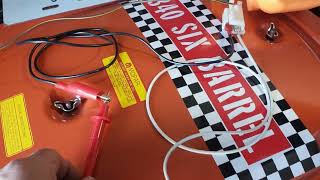
Standard Ignition is a well-established brand in the aftermarket industry. Their parts are generally designed to meet or exceed original specifications. However, for classic vehicles, fitment can sometimes be an issue. Some reviews and forum discussions have noted that minor modifications or adjustments may be necessary. One owner of a 1970 Challenger reported receiving a faulty new aftermarket switch, highlighting the importance of testing the part before and after installation. 🎬 Watch: How to test your switch and understand the wiring. Despite these isolated issues, Standard Ignition remains the most viable and generally reliable option for a new replacement switch.
Check Your Linkage First
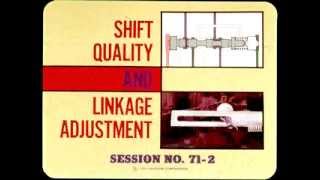
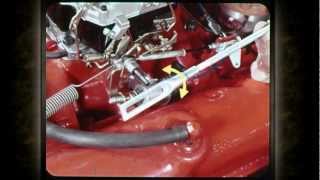
Before you replace the switch, it's a good idea to check the adjustment of your shifter linkage. Worn bushings or a misaligned linkage can mimic the symptoms of a bad neutral safety switch, causing the car to fail to start in Park or Neutral. Adjusting the linkage is a simpler job and might solve your problem without needing a new part.
🎬 Watch: How to adjust your shifter linkage and safety switch.Replacement Cost
The cost to replace a neutral safety switch can vary based on whether you do the work yourself or take it to a shop. The part itself is relatively inexpensive.
| Item | Estimated Cost |
|---|---|
| New Aftermarket Switch (Standard Ignition) | $25 - $40 |
| Shop Labor | $85 - $130 |
| Estimated Total (Shop) | $110 - $170 |
Frequently Asked Questions
Can I replace the neutral safety switch myself?
Yes, this is a DIY-friendly task for someone with basic mechanical skills and tools. The process involves safely raising and supporting the vehicle on jack stands, locating the switch on the driver's side of the transmission, disconnecting the wiring, and unscrewing the switch. Be aware that some transmission fluid will leak out when the switch is removed, so have a drain pan ready.
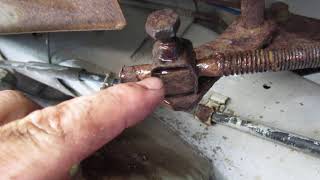
🎬 See this walkthrough for replacing the switch on a TorqueFlite.Where is the neutral safety switch located?
On 1970-1980 Dodge Challengers with an automatic transmission (like the TorqueFlite 727 or 904), the neutral safety switch is screwed into the driver's side of the transmission case, just above the transmission pan.
What is the OEM part number for the neutral safety switch?
A common Mopar OEM part number for this switch is 2932820. This number often cross-references to the Standard Ignition NS-11 aftermarket part.
Are there any recalls for the neutral safety switch on these Challengers?
No, there have been no specific recalls issued by the NHTSA for the neutral safety switch on the 1970-1980 Dodge Challenger. While there have been other recalls for this vehicle, none pertain to this specific part.
Helpful Videos
Technical Specifications
OEM Part Numbers: 2932820 3747361 8121146 J3218190
Typically a 3-prong switch that screws into the driver's side of the transmission. It serves as both the neutral safety switch and the reverse light switch.
We Have This Part in Stock


The information in this article is provided for general reference and educational purposes only. Vehicle specifications, procedures, and part compatibility can vary by production date, trim level, and region. Always consult your vehicle's factory service manual and verify part numbers before purchasing or performing repairs. Safety-critical components such as airbags, seat belts, and braking systems should be installed by a qualified professional.