

Your Engine Water Pump Guide for the 1970-1980 Ford Thunderbird
Learn to spot a failing water pump and choose the right replacement for your classic Thunderbird's specific V8 engine.
- You MUST identify your Thunderbird's specific engine (302, 351, 400, 429, 460, etc.) to order the correct water pump.
- Symptoms include coolant leaks from the 'weep hole', engine overheating, and grinding noises from the front of the engine.
- Choose a brand based on your needs: economy brands for budget repairs, standard brands for daily driving, and performance brands for modified or hard-working engines.
- It is highly recommended to replace the thermostat and coolant hoses at the same time as the water pump.
Is Your Thunderbird's Water Pump Failing?
A water pump failure can be catastrophic for your engine, but it usually gives warning signs before it completely fails. Ignoring these signs can lead to a simple repair turning into a complete engine rebuild. Watch for these common symptoms:
- Coolant Leaks: This is the most common sign. You may find a puddle of green, pink, or orange coolant under the front of your engine. The leak often comes from a small 'weep hole' on the bottom of the pump, which is designed to leak when the internal seal fails.
- Engine Overheating: If your temperature gauge starts climbing into the red, your water pump may no longer be circulating coolant effectively. This is a critical warning to stop driving immediately.
- Whining or Grinding Noise: A high-pitched whine or a rough, grinding sound coming from the front of the engine that changes with engine speed points to a bad bearing inside the water pump.
- Wobbly Pulley: With the engine off, check for any movement in the pulley where the fan is mounted. If you can wiggle it back and forth, the pump's bearing has failed and the entire unit needs replacement.
Match the Pump to Your Engine!
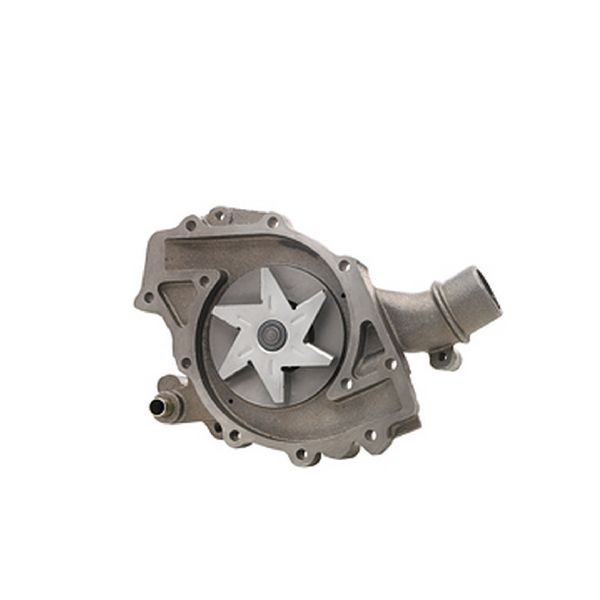
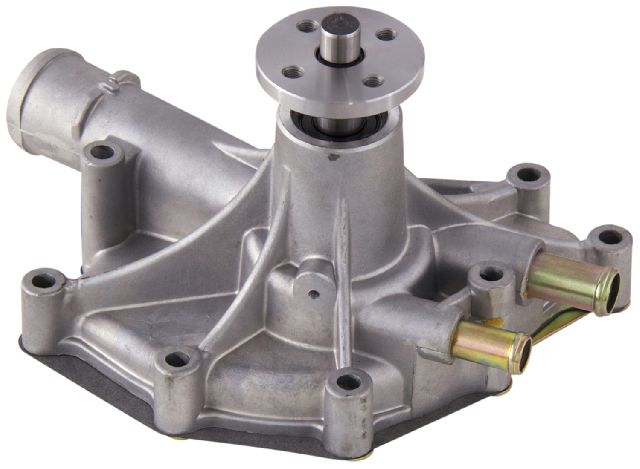
The single most important step is buying a water pump that fits your specific engine. From 1970 to 1980, Ford used many different V8s in the Thunderbird, including the 302, 351W, 351C, 351M, 400, 429, and 460. A water pump for a 302 will not fit a 460. Always verify your engine displacement before ordering a part.
Choosing the Right Aftermarket Water Pump
For a vehicle of this age, new original Ford (OEM) parts are generally not available. The market consists of new aftermarket parts, which range widely in price and quality. Here’s how the available brands generally stack up:
Standard Replacement Brands: Gates, Dayco
These brands are known for making parts that meet or exceed original factory specifications. They are a reliable, trusted choice for a stock vehicle that is used for normal driving. While they are best known for belts and hoses, their water pumps are considered a solid, dependable option.
Performance & Heavy-Duty Brands: Edelbrock, Frostbite, Proform, PRW
If your Thunderbird has a modified engine, if you use it for towing, or if you experience high temperatures in traffic, a performance pump is a worthwhile upgrade. Brands like Edelbrock are known for high-flow designs that can improve cooling, especially at lower engine speeds. They often feature aluminum construction to save weight and improved impeller designs for better efficiency.
Economy Brands: GMB, US Motor Works, WJB
These brands offer the most budget-friendly options and are widely available. For a standard engine under light use, they can be a cost-effective solution. However, forum discussions among classic Ford owners suggest that quality and longevity can sometimes be inconsistent compared to standard or performance brands.
Pro Tip: While replacing the water pump, it is highly recommended to also replace the thermostat, radiator hoses, and bypass hose. These parts are inexpensive and you've already done most of the labor to access them.
Cost to Replace a 1970-1980 Thunderbird Water Pump
| Part Type | Estimated Cost |
|---|---|
| New Aftermarket Part | $57 - $280 |
| Shop Labor | $250 - $500 |
| Total Estimated Cost | $307 - $780 |
Costs are estimates and will vary based on your location, your specific engine, and the brand of part you choose.
Frequently Asked Questions
Is replacing the water pump a DIY job?
Yes, for a person with mechanical experience, this is a manageable DIY project. It requires draining the cooling system, removing the fan and belts, and having basic hand tools. The most critical part of the job is thoroughly cleaning the old gasket material off the engine block to ensure the new gasket seals properly.
Should I use a gasket, sealant, or both?
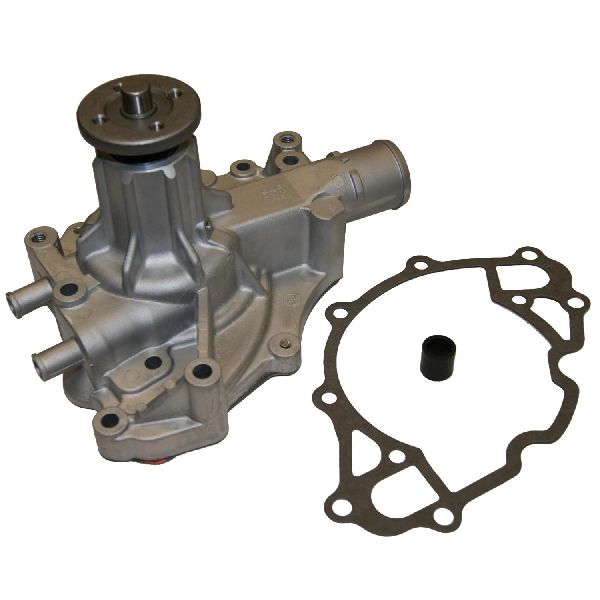
Always follow the instructions included with your new water pump. Most pumps come with a new gasket. Some mechanics apply a very thin layer of RTV sealant to one side of the gasket to hold it in place during installation, but do not use large amounts as excess can break off and clog the cooling system.
What kind of coolant should I use?
For these classic vehicles, a conventional IAT (Inorganic Additive Technology) antifreeze, typically green in color, is the correct choice. Do not use modern orange, pink, or red extended-life coolants, as they can damage the seals and metals in older cooling systems.
What is the difference between a cast iron and aluminum water pump?
Original pumps were typically cast iron. Many aftermarket replacements, especially performance models, are made of aluminum. Aluminum is much lighter and can dissipate heat slightly better. For a stock restoration, you may prefer cast iron for the original look. For performance or weight savings, aluminum is a great choice. Both materials will perform well in a daily driver.
Technical Specifications
OEM Part Numbers: D0AZ-8501-E D2SZ-8501-A
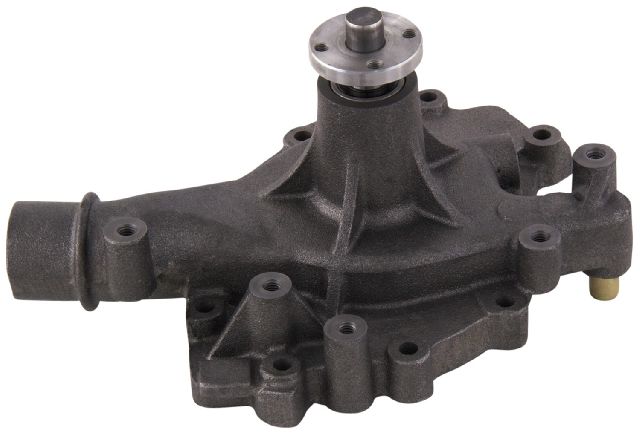
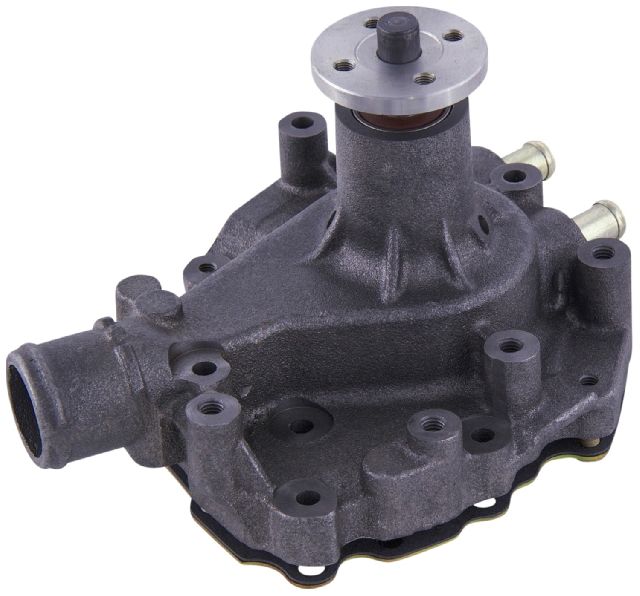
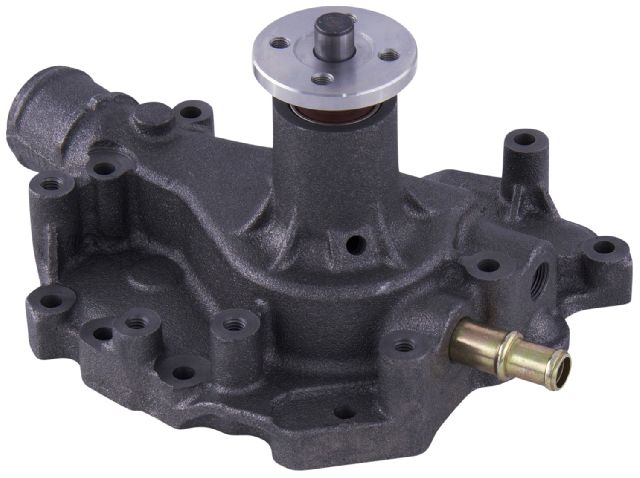
Vehicle-specific fitment is determined by engine size (e.g., 302, 351W, 351M/400, 429/460). All pumps for this era are mechanical and feature a standard (clockwise) rotation. Aftermarket options are available in both original-style cast iron and lightweight aluminum. Performance versions often feature high-flow impellers to improve cooling at low RPM.
We Have This Part in Stock

The information in this article is provided for general reference and educational purposes only. Vehicle specifications, procedures, and part compatibility can vary by production date, trim level, and region. Always consult your vehicle's factory service manual and verify part numbers before purchasing or performing repairs. Safety-critical components such as airbags, seat belts, and braking systems should be installed by a qualified professional.
- 🛍️ Shop This Part
- Is Your Thunderbird's Water Pump Failing?
- Match the Pump to Your Engine!
- Choosing the Right Aftermarket Water Pump
- Standard Replacement Brands: Gates, Dayco
- Performance & Heavy-Duty Brands: Edelbrock, Frostbite, Proform, PRW
- Economy Brands: GMB, US Motor Works, WJB
- Cost to Replace a 1970-1980 Thunderbird Water Pump
- Frequently Asked Questions
- 🎟️ Get 5% Off