

Guide to 1970-1980 GMC Jimmy Automatic Transmission Mounts
Stop the clunking and vibrations in your classic Jimmy by choosing the right new transmission mount.
- Choose polyurethane mounts (Prothane, Daystar) for durability in off-road or performance use, but be prepared for more cabin vibration.
- Select standard rubber mounts (Anchor, Westar) for a quiet, factory-like ride and lower cost.
- A bad transmission mount can cause clunking noises when shifting and excessive vibration while driving.
- It is highly recommended to inspect and likely replace engine mounts at the same time to ensure drivetrain stability.
Symptoms of a Failing Transmission Mount
When the transmission mount on your Jimmy wears out, the signs are usually easy to notice. The original rubber material can crack, collapse, or become saturated with oil over the decades, leading to several distinct problems.
- Clunking Noises: A loud "clunk" or "bang" when you shift from Park into Drive or Reverse is a classic sign. You might also hear this noise during hard acceleration or deceleration as the transmission shifts in its cradle.
- Excessive Vibration: You may feel a new or increased vibration through the floor, seat, or steering wheel. This is often most noticeable at idle or when the vehicle is under load because the mount is no longer damping the drivetrain's vibrations.
- Visible Movement: A mechanic can often see the transmission physically lift or rock excessively when shifting gears while the brakes are applied. In severe cases, the transmission may sag, affecting driveshaft angle and potentially causing damage to U-joints or other components.
Choosing the Right Aftermarket Mount
For a 1970-1980 GMC Jimmy, you have two main choices for aftermarket mounts: standard rubber (OEM-style) and performance polyurethane. The best one for you depends on how you use your truck.
Tier 1: Performance Polyurethane Mounts
Brands: Prothane, Daystar, Lakewood
These mounts replace the soft factory rubber with a much tougher and more durable polyurethane material. They are ideal for off-roading, towing, or high-horsepower applications where the stock mount might fail. Many feature a safety-interlocking design that prevents separation even if the polyurethane material is compromised. The main trade-off is an increase in Noise, Vibration, and Harshness (NVH) felt inside the cabin. Because polyurethane is stiffer, it transmits more of the drivetrain's vibrations than rubber does.
Tier 2: Standard Replacement Rubber Mounts
Brands: Anchor, Westar, DEA, Pioneer
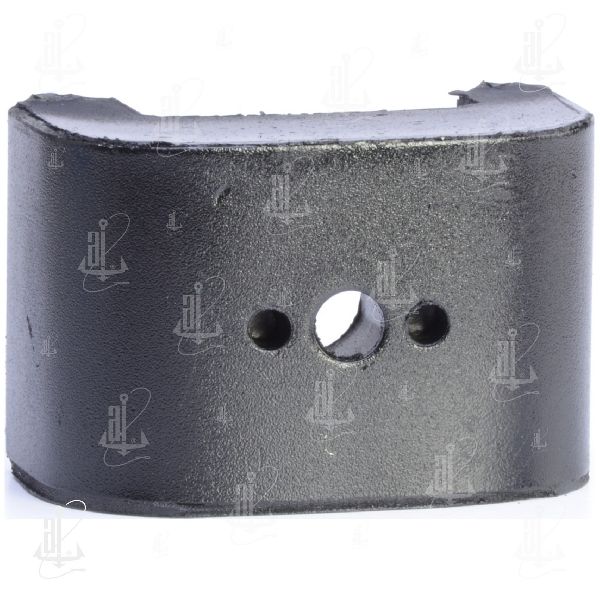
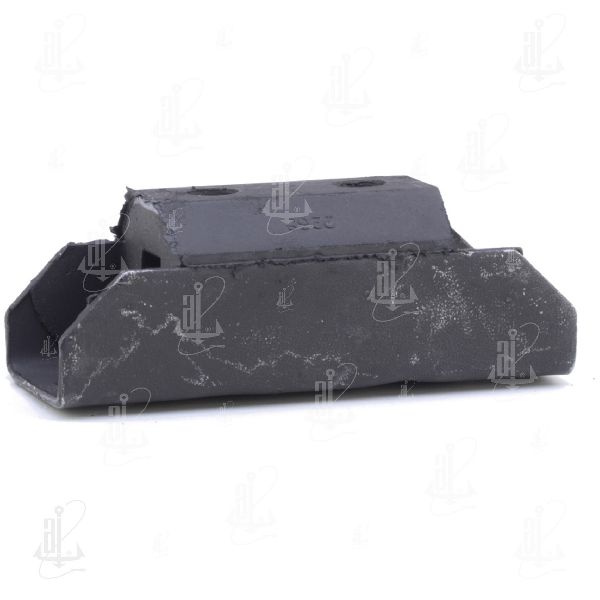
These brands offer direct, OEM-style replacements that will restore the original ride quality. They are designed to provide the same vibration absorption as the factory part, making them a good choice for daily drivers or restorations aiming for originality. While very affordable, the quality can sometimes be inconsistent compared to OEM or performance brands. However, for general use, they function well and are widely used. Some users find Pioneer and Anchor to be of acceptable quality for the price.
| Tier | Brands | Price Range | Best For |
|---|---|---|---|
| Performance Polyurethane | Prothane, Daystar, Lakewood | $30 - $136 | Off-Road, Towing, High-Performance |
| Standard Rubber | Anchor, Westar, DEA, Pioneer | $5 - $25 | Daily Driving, Stock Restoration |
Known Issues, Recalls, and TSBs
For the 1970-1980 model years, there are no specific recalls or Technical Service Bulletins (TSBs) from the NHTSA related to the automatic transmission mount on the GMC Jimmy. However, GM did issue a major recall in 1971 for defective engine mounts on millions of vehicles from 1965-1970, which could cause unintended acceleration if they failed. While this did not directly involve the transmission mount, it highlights the importance of all drivetrain mounts. Failure of a transmission mount is typically due to age, wear, and exposure to fluids.
Frequently Asked Questions (FAQ)
What's the difference between a rubber and a polyurethane mount?
Rubber mounts, like the original, are soft and excellent at absorbing vibration for a comfortable ride. Polyurethane mounts are much stiffer and more durable, built for performance and longevity, but they will transmit more vibration into the cabin.
Can I replace the transmission mount myself?
Yes, this is a DIY-friendly job for someone with basic mechanical skills and tools. The process involves safely supporting the vehicle on jack stands, using a floor jack to support the weight of the transmission, unbolting the old mount from the crossmember and transmission, and installing the new one. It typically takes 1-2 hours.
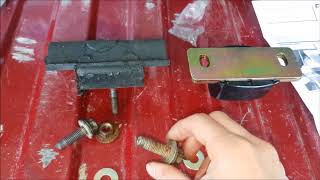
🎬 See how to replace a motor or transmission mount yourself.Do I need a special mount for a 4x4 Jimmy?
The basic mount design is similar for 2WD and 4WD models of this era, but always confirm fitment for your specific year and drivetrain. The key is ensuring the bolt pattern and height match. Performance polyurethane mounts are a popular upgrade for 4x4s due to the added stress from off-roading.
Should I replace my engine mounts at the same time?
It is highly recommended. The engine and transmission mounts work together to support the drivetrain. If the transmission mount has failed, the engine mounts are likely worn as well. Replacing them all at once ensures the entire system is stable and properly aligned, preventing premature failure of the new mount.
Helpful Videos
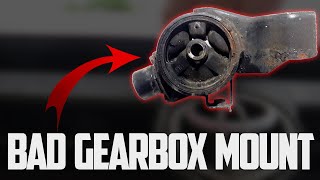
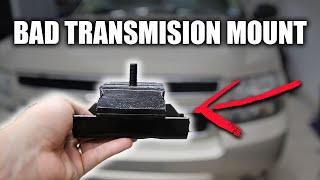
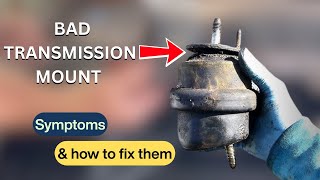
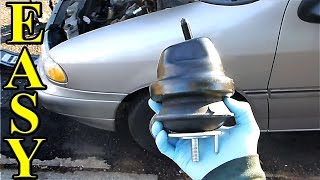
Technical Specifications
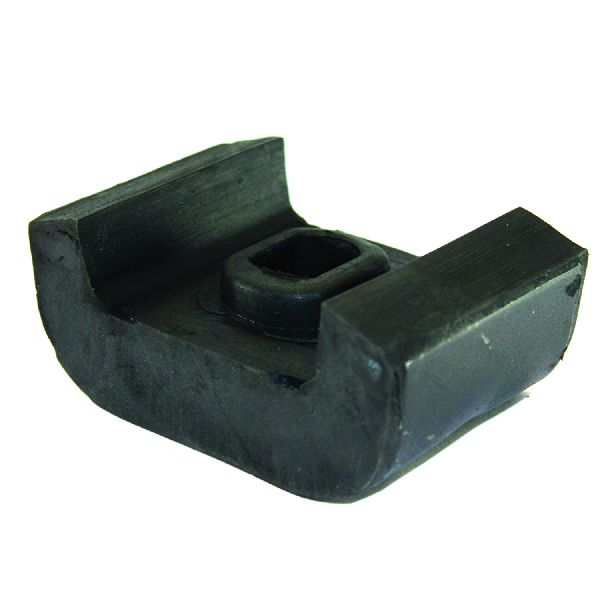
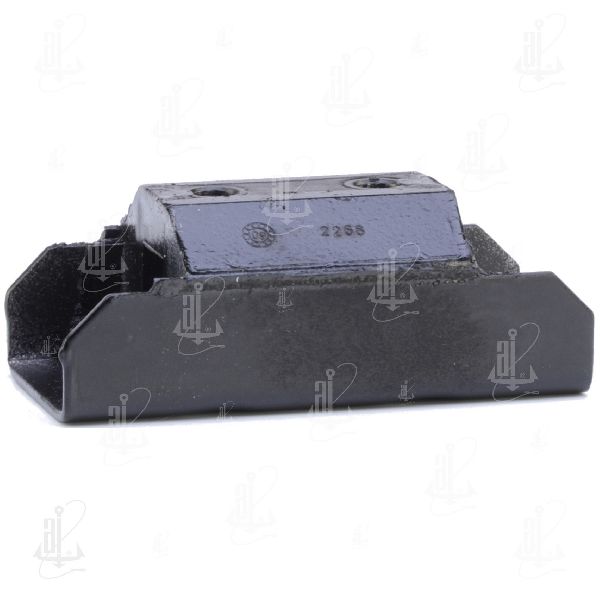
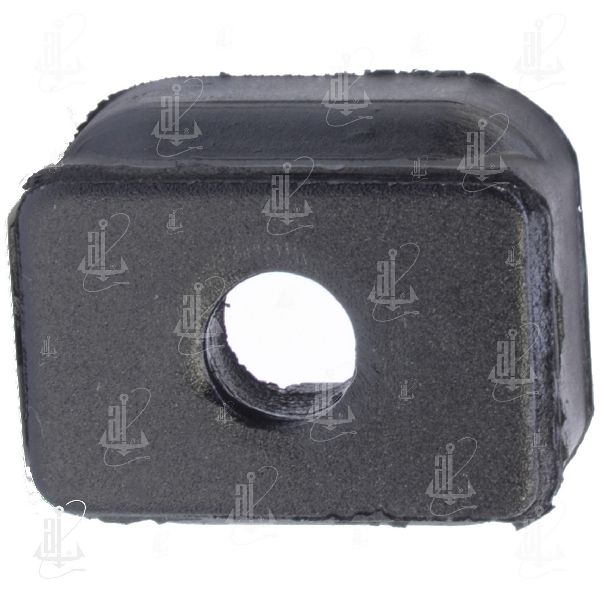
OEM Part Numbers: 31108G
The primary specification difference is the mount material: standard Styrene-Butadiene Rubber (SBR) for OEM-style replacements or Polyurethane for performance applications. Some performance mounts also include a metal interlocking safety feature.
We Have This Part in Stock


The information in this article is provided for general reference and educational purposes only. Vehicle specifications, procedures, and part compatibility can vary by production date, trim level, and region. Always consult your vehicle's factory service manual and verify part numbers before purchasing or performing repairs. Safety-critical components such as airbags, seat belts, and braking systems should be installed by a qualified professional.