

Volkswagen Beetle Brake Light Switch Guide (1970-1980)
Don't get caught with your brake lights out; understand this unique part on your classic Beetle.
- The 1970-1980 Beetle uses hydraulic pressure switches on the master cylinder, not a mechanical switch on the pedal.
- Symptoms of failure include brake lights not working, staying on, or leaking fluid at the master cylinder.
- Most Beetles of this era require two switches; it is critical to replace them in pairs.
- You MUST bleed the brakes after replacing these switches to ensure safety and proper brake function.
Is Your Beetle's Brake Light Switch Failing?
A faulty brake light switch is a serious safety issue. The most common signs of failure are brake lights that don't turn on at all, or brake lights that stay on even when you're not braking. You might also notice that the lights only work if you press the brake pedal extremely hard. Sometimes, the switch itself can start to leak brake fluid from where it threads into the master cylinder.
Safety First: A Critical Repair
Driving without functional brake lights is illegal and extremely dangerous. Other drivers rely on your brake lights to know when you are slowing down. A failed switch can lead to a rear-end collision. This part should be replaced as soon as a problem is noticed.
Choosing the Right Aftermarket Brake Light Switch
For a classic vehicle like the 1970-1980 Beetle, the aftermarket is the primary source for new parts. The quality of OEM (Original Equipment Manufacturer) parts from that era was excellent, but finding new old-stock (NOS) is rare and expensive. Today's aftermarket brands offer reliable and affordable solutions.
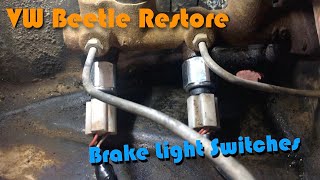
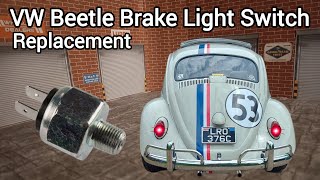
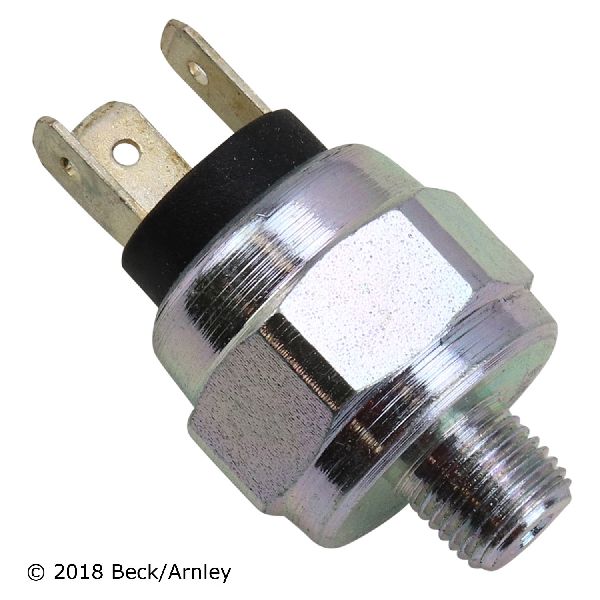
It's important to know if your car needs a 2-prong or 3-prong switch. Check the existing switches on your master cylinder before ordering. For a complete and balanced repair, it is highly recommended to replace both switches at the same time.
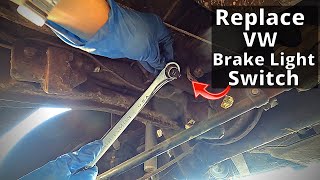
🎬 Watch this step-by-step guide on replacing your Beetle's switches.- Standard Ignition (SMP): Often considered a top-tier aftermarket brand, Standard produces parts that meet or exceed original specifications. They are a reliable choice for electrical components like this switch.
- Beck Arnley: This brand sources parts from various global manufacturers, sometimes including original equipment suppliers. They have a long-standing reputation for providing quality parts for import vehicles and are a solid option for your Beetle.
- Rostra Powertrain: While a known name in the aftermarket, Rostra is more specialized in powertrain and transmission components. Their offering for this specific switch may be more of a budget-friendly option.
Pro Tip: Bleed Your Brakes
Because the brake light switch is threaded directly into the master cylinder, you will introduce air into the brake lines when you replace it. You must bleed the brakes after installing new switches to ensure your brakes work safely and effectively. Many owners fail to do this, resulting in a spongy pedal and reduced braking power.
Cost of Replacing a VW Beetle Brake Light Switch
| Part Type | Estimated Cost |
|---|---|
| New Aftermarket Switch (Each) | $18.12 - $22.59 |
| Shop Labor | $60 - $120 |
| Total Professional Repair (2 Switches + Labor) | $96 - $166 |
Frequently Asked Questions (FAQ)
Why don't my brake lights work at all?
This is the most common symptom of a failed switch. The internal contacts wear out and can no longer complete the electrical circuit. It could also be a blown fuse or bad bulbs, so check those first. If the fuse and bulbs are good, the switches are the next likely culprit.
Why are my brake lights stuck on?
A switch can also fail in the 'on' position. This means the internal mechanism is stuck, keeping the circuit closed and the lights illuminated. This will drain your battery if the car is off. This requires immediate replacement.
🎬 See how quick and easy this replacement can be.How many brake light switches does my Beetle have?
Most 1970-1980 Beetles have a dual-circuit master cylinder which uses two separate brake light switches for safety and redundancy. It is best practice to replace both at the same time.
Do I have to bleed the brakes after this job?
Yes, absolutely. Any time you open the hydraulic brake system, air gets in. Replacing these switches involves unscrewing them from the master cylinder, which lets air in and a small amount of fluid out. You must bleed the brakes to remove this air and ensure firm, safe brake pedal feel.
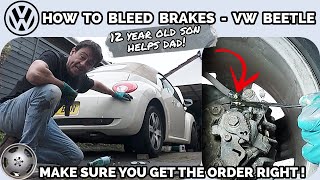
🎬 Watch: How to bleed your brakes in the correct order.Helpful Videos
Technical Specifications
OEM Part Numbers: 113945515H 113945515G
Hydraulic pressure activated; Mounts on master cylinder; Typically 2-prong or 3-prong electrical connection.
We Have This Part in Stock


The information in this article is provided for general reference and educational purposes only. Vehicle specifications, procedures, and part compatibility can vary by production date, trim level, and region. Always consult your vehicle's factory service manual and verify part numbers before purchasing or performing repairs. Safety-critical components such as airbags, seat belts, and braking systems should be installed by a qualified professional.