

Guide to the 1970-1981 GMC Jimmy Power Steering Pump
Steering getting stiff or noisy? Here’s what you need to know about replacing the power steering pump on your classic Jimmy.
- Common failure signs are whining noises, stiff steering, and fluid leaks.
- You will need a special pulley puller/installer tool for the replacement.
- Bleeding the air out of the system after installation is critical to prevent noise and damage.
- Replacing the old power steering hoses at the same time is a smart preventative measure.
Is Your Power Steering Pump Failing?
For a vehicle from this era, most power steering problems come from age and wear. Leaks and whining noises are the most common complaints from Jimmy owners. If you're experiencing any of these signs, it's likely time for a replacement.
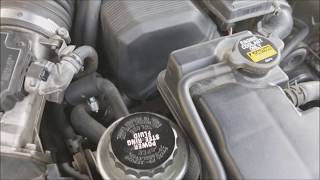
🎬 Watch this guide on how to diagnose a bad pump.Common Failure Symptoms
- Whining or Groaning Noise: A constant whining sound from the engine bay that gets louder when you turn the wheel is a classic sign of a failing pump 🎬 Listen to what a failing power steering pump sounds like. or low fluid.
- Stiff Steering: If turning the wheel suddenly requires a lot of effort, the pump is likely not providing enough pressure.
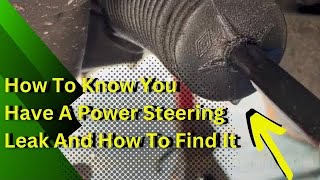
- Fluid Leaks: Puddles of red or pinkish fluid under the front of your Jimmy point to a leak. The pump itself can leak from its main shaft seal 🎬 Learn how to find and identify a power steering leak. (behind the pulley) or the housing.
- Slow Steering Response: If the steering feels loose or slow to respond, it could be a sign that the pump is weak.
Choosing the Right Aftermarket Pump
For a 1970-1981 GMC Jimmy, finding a brand-new OEM (Original Equipment Manufacturer) pump from GM is highly unlikely. The market primarily consists of new aftermarket parts and remanufactured units. Your main choices will be between brands like Cardone and BBB Industries.
New vs. Remanufactured:
- New Aftermarket: These are brand-new pumps made by companies other than the original manufacturer. They often feature all-new components and have not been previously used.
- Remanufactured: These are original pump cores that have been rebuilt. Worn or failed components are replaced, and the unit is tested to meet specifications.
Brand Considerations:
- Cardone: A very common brand in the aftermarket. Reviews are often mixed; some users report success, while others experience premature failures like leaks or noise. Cardone offers both new and remanufactured lines, and quality can vary between them.
- BBB Industries: Another major player in the remanufacturing space. Like Cardone, experiences can be hit-or-miss, with some users having good luck and others needing to use the warranty.
Pro Tip: For a vehicle of this age, the quality of a remanufactured part can be inconsistent. Many owners suggest that if you get a remanufactured pump, be prepared for the possibility of needing a warranty replacement. When possible, opting for a fully new aftermarket pump may offer more peace of mind, though the price is often higher.
Cost Breakdown for a New Power Steering Pump
| Part Type | Estimated Cost |
|---|---|
| New Aftermarket Pump | $79.89 - $247.52 |
| Shop Labor | $150 - $300 |
| Total Estimated Cost | $229.89 - $547.52 |
Note: Costs are estimates and can vary based on your location, specific product, and shop labor rates.
Frequently Asked Questions (FAQ)
Why is my new power steering pump whining?
A whining noise from a new pump is almost always caused by air trapped in the system. This is very common after a replacement. To fix this, you must bleed the system properly. With the engine off and front wheels lifted off the ground, turn the steering wheel from lock to lock about 20 times to work the air out. Check the fluid level frequently during this process, as it will drop as air escapes.
Do I need special tools to replace the pump?
Yes, you will most likely need a special power steering pump pulley puller and installer tool. The pulley is press-fit onto the pump shaft and cannot be removed or installed by hammering. Most auto parts stores offer these tools as part of a loaner program.
Should I replace the hoses at the same time?
It is highly recommended. The rubber hoses degrade over time, becoming hard, brittle, and prone to leaking. Replacing the high-pressure and return hoses when you replace the pump is cheap insurance against future leaks and prevents old, contaminated fluid from damaging your new pump.
What kind of fluid should I use?
Always use new, high-quality power steering fluid from a sealed container. Some GM systems of this era may have used automatic transmission fluid (ATF), while others used specific power steering fluid. Check your owner's manual if you have it, or use a standard power steering fluid compatible with classic GM vehicles.
Are there any recalls for the 1970-1981 GMC Jimmy power steering pump?
No, searches of the National Highway Traffic Safety Administration (NHTSA) database did not find any recalls or specific technical service bulletins (TSBs) for the power steering pump on the 1970-1981 GMC Jimmy. Any issues today are due to the age and wear of the components.
Helpful Videos

Technical Specifications
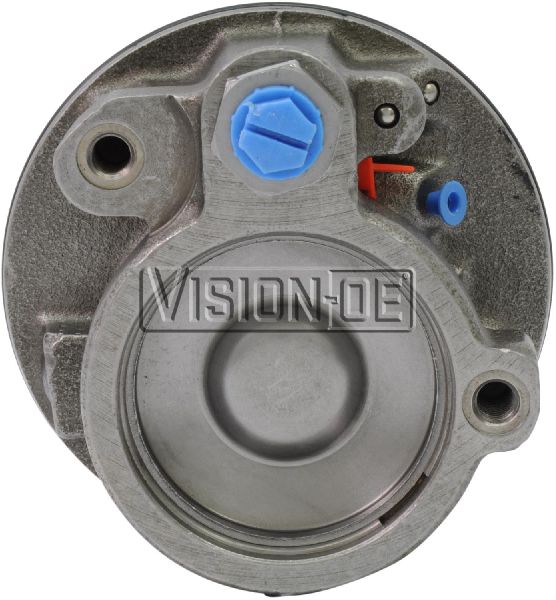
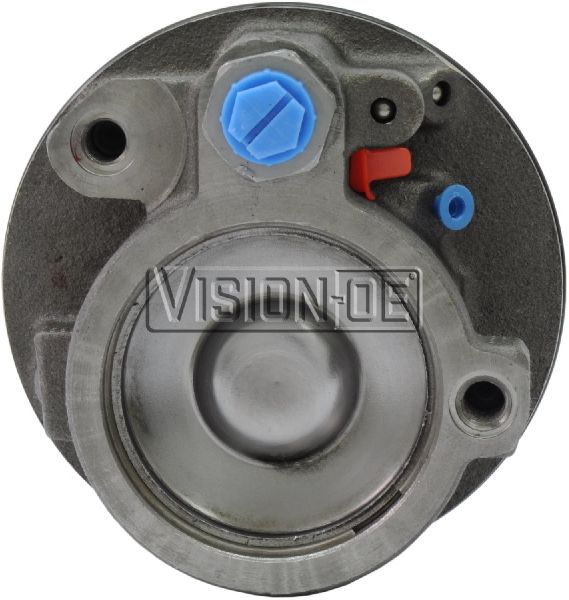
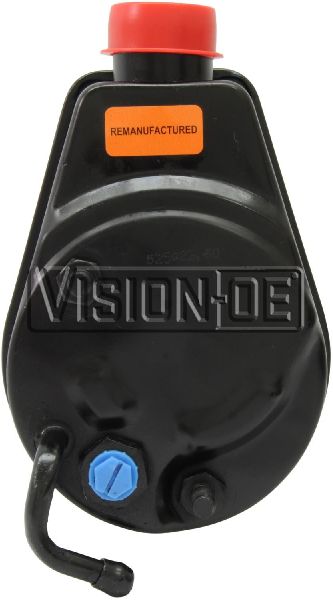
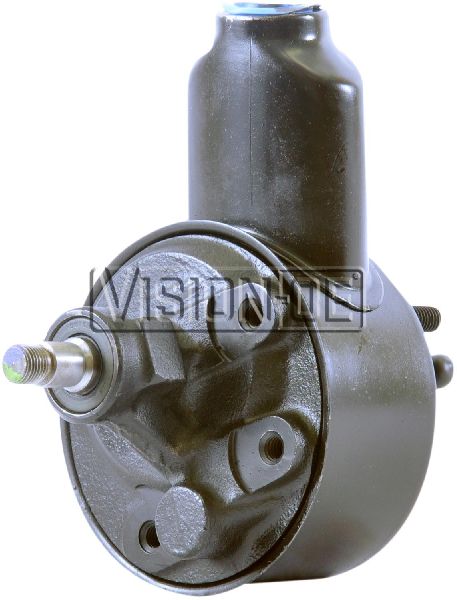
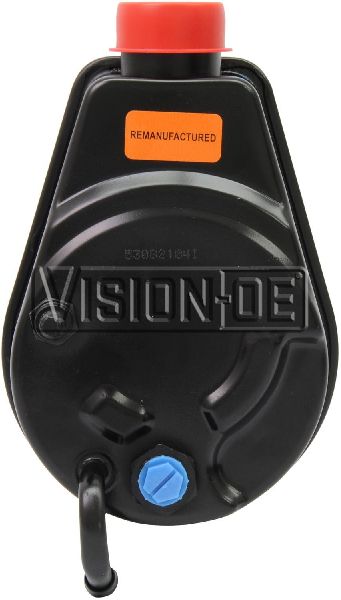
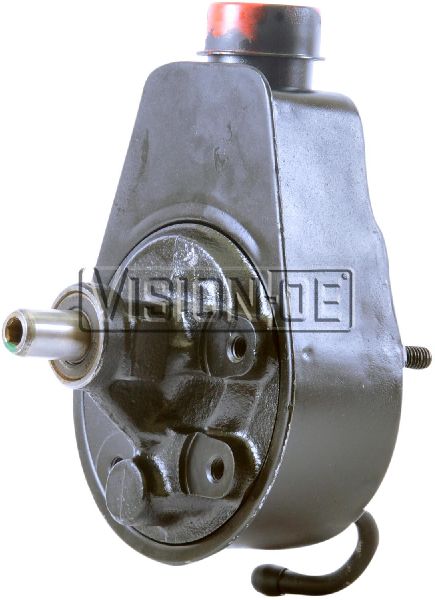
The 1970-1981 GMC Jimmy typically uses a Saginaw-style power steering pump with an integrated or remote reservoir. The pulley is a press-fit design, requiring a special tool for removal and installation.
We Have This Part in Stock

The information in this article is provided for general reference and educational purposes only. Vehicle specifications, procedures, and part compatibility can vary by production date, trim level, and region. Always consult your vehicle's factory service manual and verify part numbers before purchasing or performing repairs. Safety-critical components such as airbags, seat belts, and braking systems should be installed by a qualified professional.