

Ignition Coil Guide for 1970-1984 Dodge Challenger
Find the right ignition coil to keep your classic Mopar or 80s import running strong.
- First, confirm if you have a 1st Gen (1970-74) or 2nd Gen (1978-83) Challenger, as they use completely different ignition coils.
- For 1st Gen models, match the coil to your ignition type (points or electronic) and ensure you have the correct ballast resistor if required.
- Standard replacement brands like Standard Ignition or NGK offer excellent reliability for stock vehicles.
- A failing coil will cause severe running issues like misfires, stalling, or a no-start condition; the vehicle should not be driven.
Understanding Your Challenger's Ignition Coil
When shopping for an ignition coil for a 1970-1984 Dodge Challenger, the most important thing to know is which generation you own. These were two very different cars that shared a name but not many parts.
Generation Differences are Critical
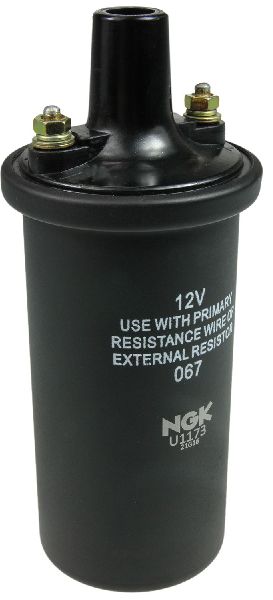
- 1st Generation (1970-1974): This is the classic muscle car with a Slant-6 or V8 engine. It uses a traditional, oil-filled canister-style ignition coil. These systems often included a ballast resistor, which is a ceramic block that reduces voltage to the coil during normal operation to prevent it from overheating. It's crucial to match the coil to the ignition system (original points or an electronic upgrade) and use the correct ballast resistor.
- 2nd Generation (1978-1983): This was a rebadged Mitsubishi Galant Lambda, equipped with a 4-cylinder engine. These cars use a different, more modern style of ignition coil, and parts are not interchangeable with the first generation. The year range in the prompt extends to 1984, but this generation officially ended in 1983.
Ordering the Wrong Part is Easy
Many parts listings group all 1970-1984 Challengers together. Double-check that the coil you are ordering is specifically listed for your engine (e.g., 5.2L V8 vs. 1.6L 4-Cyl). If you have a 1st Gen, confirm if your ignition is a points-style or an electronic conversion, as this affects your coil choice.
Signs of a Failing Ignition Coil
A bad ignition coil will make itself known quickly. Since these vehicles pre-date modern OBD-II diagnostics, you won't get a specific error code, but you will notice serious performance problems. Common symptoms include:
- Engine Misfires: The engine may shake, sputter, or hesitate during acceleration.
- No-Start or Hard Starting: The engine cranks but won't turn over because there's no spark to ignite the fuel.
- Stalling: The engine may die unexpectedly, especially when warm.
- Poor Fuel Economy: An inefficient spark leads to wasted fuel.
- Backfiring: Loud pops from the exhaust can occur when unburned fuel ignites in the exhaust system.
Choosing the Right Aftermarket Ignition Coil
For a vehicle of this age, aftermarket parts are the standard. OEM parts are generally unavailable unless you find expensive New Old Stock (NOS). Aftermarket brands offer a range of options from standard replacement to high-performance.
A Note on Ballast Resistors (1st Gen)
If your 1970-1974 Challenger has a factory-style electronic ignition, you must use a coil designed to work with a ballast resistor. Bypassing the resistor with the wrong coil can cause the coil to overheat and fail quickly. Some aftermarket ignition systems (like Pertronix or MSD) may require you to bypass the resistor and use a specific coil with a lower internal resistance. Always follow the ignition system manufacturer's recommendation.
Brand Tiers for Your Challenger
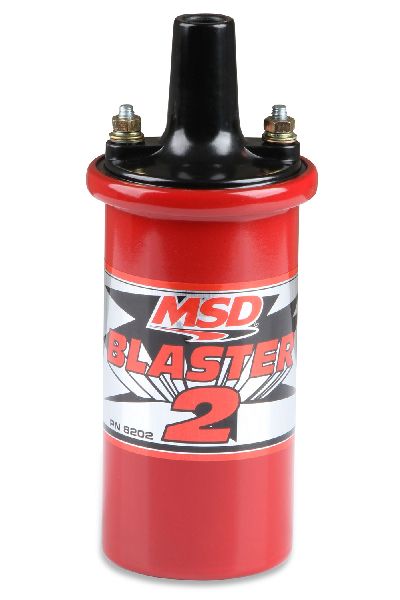
- Performance Brands (MSD, Accel): These brands are popular for modified cars. They offer higher voltage output, which can be beneficial for performance engines with other ignition upgrades. For a stock or mildly modified engine, they may not provide a noticeable benefit and can be more expensive. Some owners have noted reliability issues with newer Accel products compared to older, US-made versions.
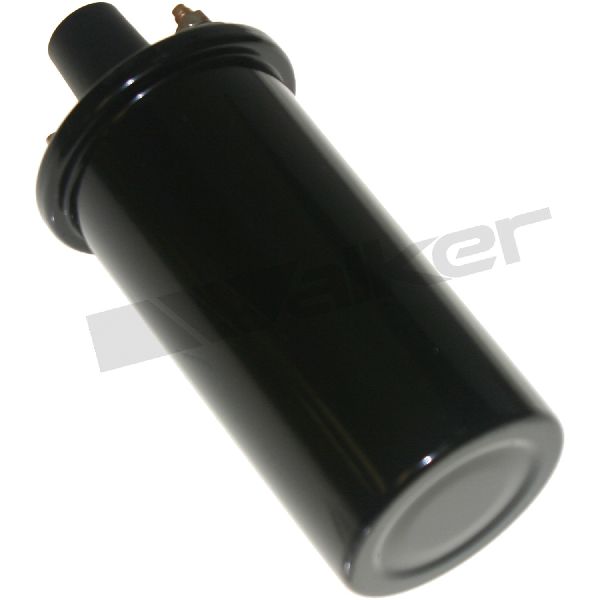
- Standard Replacement Brands (Standard Ignition, NGK, Walker Products): These brands are known for producing reliable, OE-quality parts that meet or exceed original specifications. For a daily driver or stock restoration, a coil from Standard Ignition (SMP) or NGK is a dependable and cost-effective choice.
- Value Brands (DriveWire, Global Parts, WAI Global, Spectra): These brands offer the most budget-friendly options. They are a practical choice for getting a car back on the road, but may not have the same long-term durability or performance as higher-tiered brands.
Cost of Replacing a Dodge Challenger Ignition Coil
| Part Type | Estimated Cost |
|---|---|
| New Aftermarket | $27.98 - $85.56 |
| Shop Labor | $78 - $114 |
| Total Estimated Cost | $106 - $200 |
Costs are estimates and may vary based on your location, vehicle condition, and the specific parts chosen.
Frequently Asked Questions (FAQ)
Do I need a special coil for my electronic ignition conversion?
Yes. If you've upgraded your 1st Gen Challenger from points to an electronic system like Pertronix, MSD, or the Mopar Performance electronic ignition kit, you must use a coil that is compatible with that system. Often, this means using a coil with a specific primary resistance, and you may need to bypass the factory ballast resistor. Check the instructions from your ignition kit manufacturer.
What is the difference between an oil-filled and epoxy-filled coil?
Traditional canister coils, like those on the 1st Gen Challenger, are typically filled with oil to help cool the internal windings. Many modern and high-performance coils are filled with epoxy, which can offer better vibration resistance and heat dissipation. For a stock restoration, an oil-filled coil is perfectly adequate. For high-vibration or high-heat applications, an epoxy-filled coil may be more durable.
Can I install an ignition coil myself?
Yes, this is a very straightforward job for a DIY mechanic. The coil is usually mounted on the engine or firewall with one or two bolts. It has a low-voltage connector and a high-voltage wire going to the distributor. The entire process typically takes less than 30 minutes with basic hand tools. Always disconnect the battery before starting work.
Are there any recalls for the 1970-1984 Challenger ignition coil?
No. Searches of the National Highway Traffic Safety Administration (NHTSA) database did not find any recalls or technical service bulletins (TSBs) related to the ignition coil for this specific year range. Any recalls found are for much newer Challenger models.
Technical Specifications
OEM Part Numbers: 2495531 3656199
Key specifications include Coil Type (Canister), Primary Resistance (Ohms), Secondary Resistance (Ohms), and Voltage Output. For 1st Gen models, a primary resistance of around 1.4-1.5 ohms is common for use with a ballast resistor.
We Have This Part in Stock


The information in this article is provided for general reference and educational purposes only. Vehicle specifications, procedures, and part compatibility can vary by production date, trim level, and region. Always consult your vehicle's factory service manual and verify part numbers before purchasing or performing repairs. Safety-critical components such as airbags, seat belts, and braking systems should be installed by a qualified professional.
- 🛍️ Shop This Part
- Understanding Your Challenger's Ignition Coil
- Generation Differences are Critical
- Ordering the Wrong Part is Easy
- Signs of a Failing Ignition Coil
- Choosing the Right Aftermarket Ignition Coil
- A Note on Ballast Resistors (1st Gen)
- Brand Tiers for Your Challenger
- Cost of Replacing a Dodge Challenger Ignition Coil
- Frequently Asked Questions (FAQ)
- 🎟️ Get 5% Off