

Dodge Challenger Automatic Transmission Oil Cooler: A Complete Guide (1970-2016)
Keep your Challenger's automatic transmission cool and prevent costly damage with the right oil cooler.
- Heat is the #1 enemy of your Challenger's automatic transmission; a functional cooler is essential.
- For V8 models, upgrading to a larger aftermarket cooler from a brand like Mishimoto, Derale, or Hayden is a smart investment.
- On modern Challengers, sudden overheating may be caused by a failed cooler bypass valve, not the cooler itself.
- Symptoms like fluid leaks, a burning smell, or poor shifting should be addressed immediately to avoid catastrophic transmission failure.
Signs of a Failing Transmission Oil Cooler
A bad transmission cooler can lead to catastrophic transmission failure if ignored. Heat is the number one killer of automatic transmissions. Watch for these common symptoms in your Challenger.
- Transmission Overheating: The most direct sign is a transmission temperature warning light on your dash or seeing temps climb above 225°F on your vehicle's information center. This indicates the cooler is no longer removing enough heat.
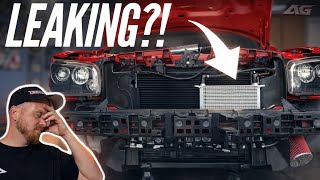
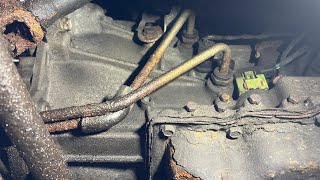
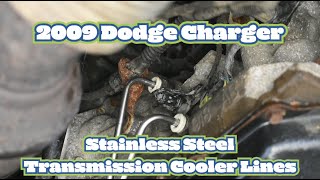
- Fluid Leaks: Finding puddles of reddish or brown, oily fluid under the front of your car is a major red flag. Leaks can come from the cooler itself due to corrosion or from cracked or loose cooler lines. 🎬 See this walkthrough on replacing damaged transmission cooler lines.
- Burning Smell: A sharp, burnt odor suggests the transmission fluid is overheating and cooking inside the system. Burnt fluid loses its ability to lubricate and cool properly.
- Poor Shifting Performance: When fluid gets too hot, it thins out and can cause a drop in hydraulic pressure. This can feel like slipping gears, delayed or jerky shifts, or a general hesitation.
- Unusual Noises: Whining or grinding sounds from the transmission can occur when hot, thin fluid fails to lubricate internal parts correctly.
Known Issue: Cooler Bypass Valve Failure (Modern Challengers)
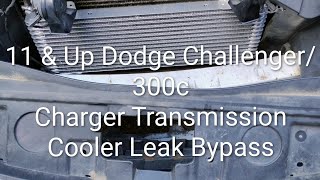
On modern Challengers (2008-2016), a common issue isn't the cooler itself, but a defective transmission cooler bypass valve. This valve is designed to bypass the cooler when the fluid is cold to help the transmission warm up faster. If it fails in the closed position, fluid never reaches the cooler, leading to rapid overheating even if the cooler is in perfect condition. If you experience sudden overheating, have this valve inspected.
🎬 Watch: How to fix a common transmission cooler leak bypass.Choosing the Right Aftermarket Cooler
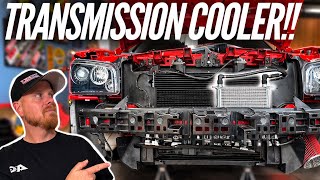
For many Challenger owners, especially those with 5.7L, 6.4L, or supercharged HEMI engines, an aftermarket cooler is a significant upgrade over the factory unit. Aftermarket coolers come in two main types:
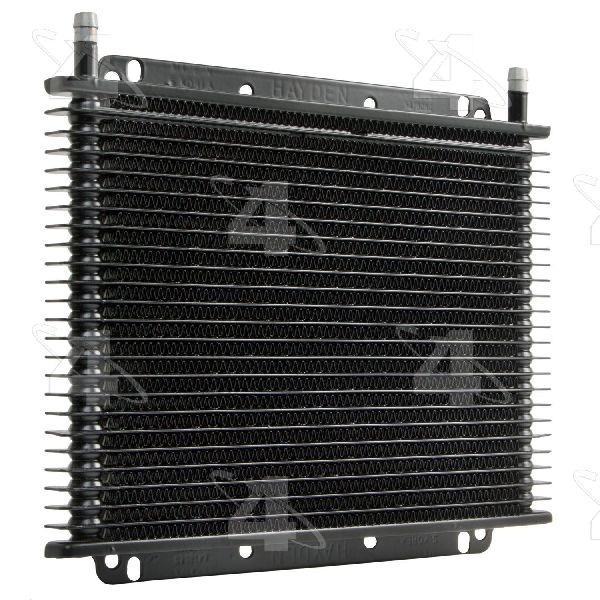
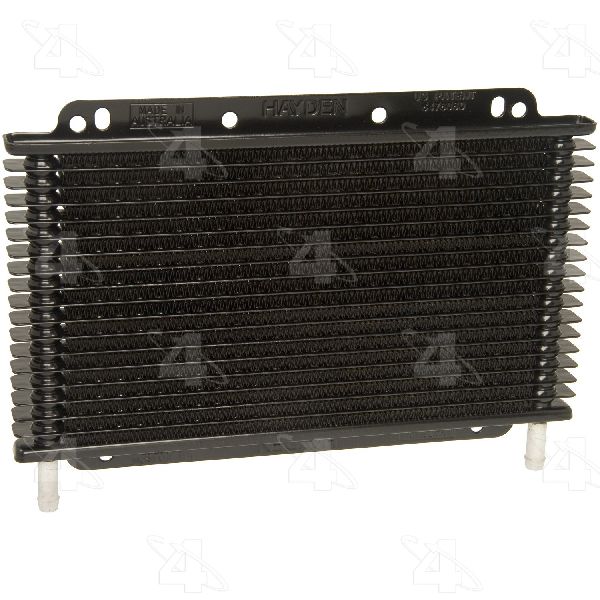
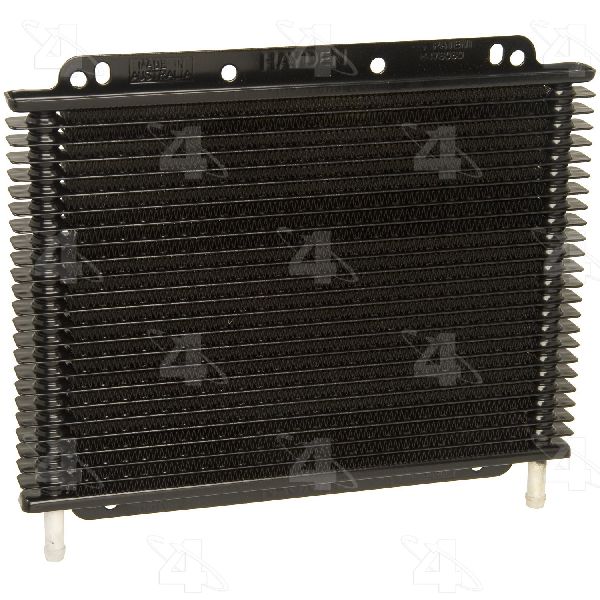
- Stacked-Plate: Considered the most efficient design, ideal for heavy-duty or high-performance use. They offer a large surface area in a compact size for maximum heat dissipation.
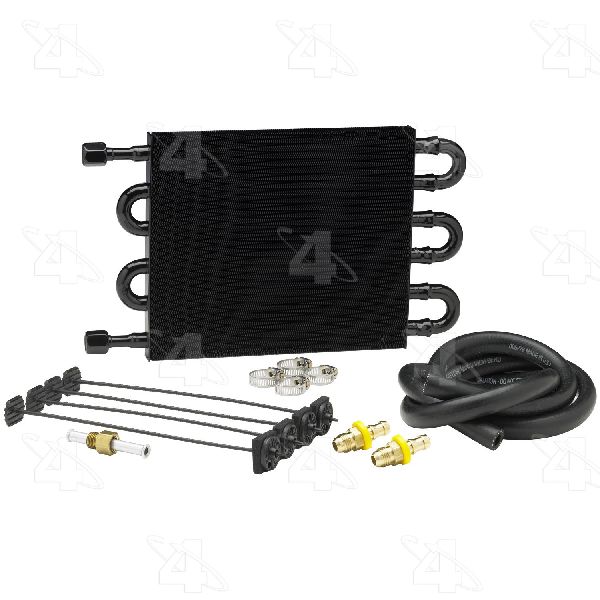
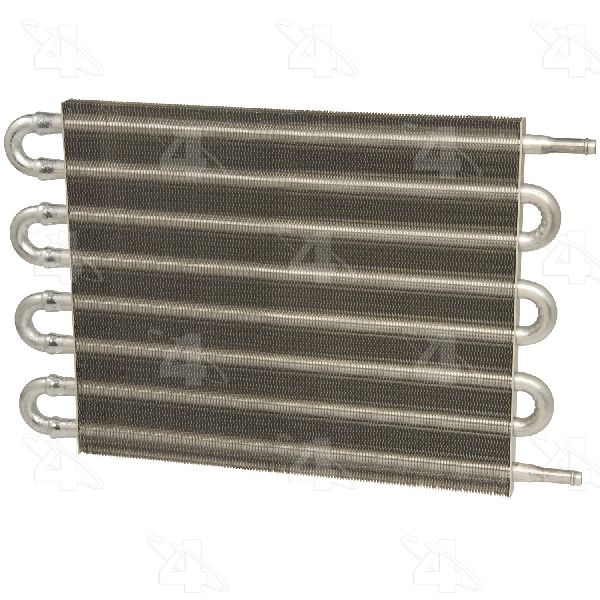
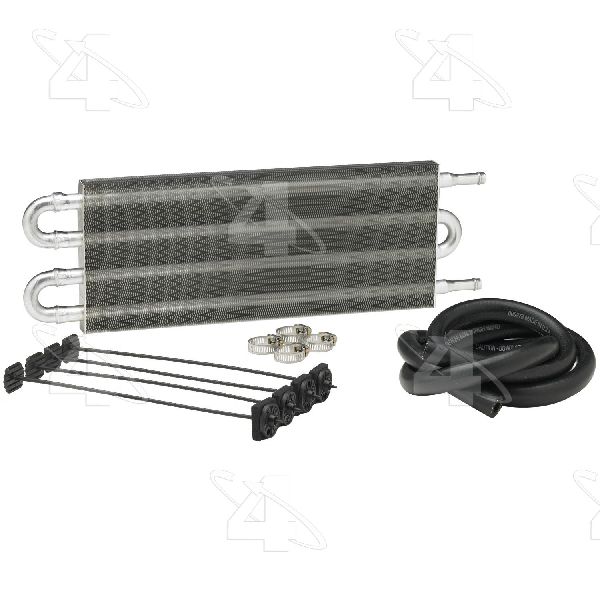
- Tube-and-Fin: A more traditional design, similar to many factory coolers. They are effective for daily driving and are often a more budget-friendly option. 🎬 Watch: How to install a budget-friendly transmission cooler upgrade.
Here’s a breakdown of available brands based on quality and performance:
Brand Tiers
- Performance Tier (Mishimoto): Mishimoto specializes in high-performance cooling products. Their coolers are engineered for demanding applications, often featuring a larger size and stacked-plate design for superior heat management. They are the most expensive option but provide the best performance for modified or aggressively driven Challengers.
- Quality Replacement Tier (Derale, Hayden): Derale and Hayden are well-respected brands that offer a great balance of performance and value. They provide reliable, durable coolers in both stacked-plate and tube-and-fin designs that often exceed OEM quality. These are excellent choices for a daily driver or a mild performance upgrade.
- Standard/Value Tier (Four Seasons): Four Seasons provides functional, direct-fit replacement parts that meet OEM specifications. These are a cost-effective solution for getting a non-performance vehicle back on the road.
Cost of Replacing a Dodge Challenger Transmission Cooler
| Part Type | Estimated Cost |
|---|---|
| New Aftermarket Cooler | $51.93 - $209.95 |
| New OEM Cooler/Assembly | $300 - $500+ |
| Shop Labor | $200 - $450 |
Cost estimates are for the part/service only and do not include taxes, fees, or the cost of new transmission fluid.
Frequently Asked Questions
Do I need to upgrade my Challenger's transmission cooler?
If you have a V6 and use your car for daily commuting, a standard replacement is likely sufficient. However, if you own a V8 model (5.7L, 6.4L, Hellcat), live in a hot climate, or engage in performance driving, upgrading to a larger, stacked-plate aftermarket cooler is a highly recommended investment to protect your transmission.
What's the difference between a stacked-plate and a tube-and-fin cooler?
A tube-and-fin cooler runs fluid through a tube that has fins attached to dissipate heat, which is a basic and effective design. A stacked-plate cooler forces fluid through a series of plates, creating more surface area for heat to transfer away. This makes stacked-plate coolers more efficient and durable, especially for performance applications.
Can I replace the transmission cooler myself?
For an experienced DIY mechanic, this is a manageable job. It involves draining fluid, accessing the cooler (which may require removing the front bumper on modern Challengers), disconnecting lines, and swapping the unit. You will need the right tools, a way to catch fluid, and you must properly top off the transmission fluid afterward. If you are not comfortable with these steps, it's best to leave it to a professional.
What is a transmission cooler reinstallation kit?
A reinstallation kit typically includes new hoses, clamps, and mounting hardware. It's a good idea to purchase one when replacing your cooler, as old rubber hoses can become brittle and clamps can weaken over time, preventing potential leaks with the new installation.
Helpful Videos
Technical Specifications
OEM Part Numbers: 68085784AA
Available as standalone units or integrated with the A/C condenser. Common aftermarket types include Tube-and-Fin and Stacked-Plate designs. Lines are typically connected via quick-disconnect fittings or hose clamps.
We Have This Part in Stock

The information in this article is provided for general reference and educational purposes only. Vehicle specifications, procedures, and part compatibility can vary by production date, trim level, and region. Always consult your vehicle's factory service manual and verify part numbers before purchasing or performing repairs. Safety-critical components such as airbags, seat belts, and braking systems should be installed by a qualified professional.