

Choosing the Right Spark Plug for Your 1971 Yamaha JT1
Keep your classic mini enduro running strong by selecting the correct spark plug.
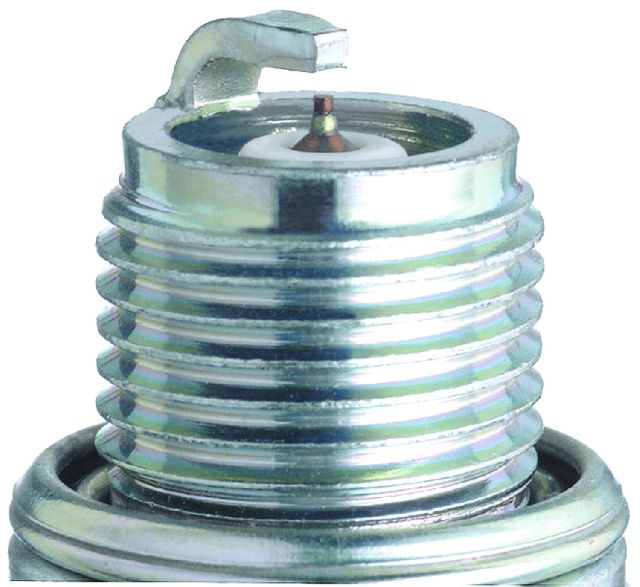
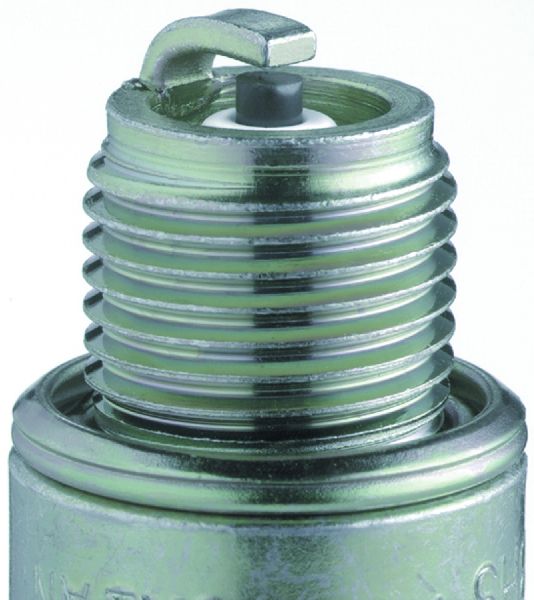
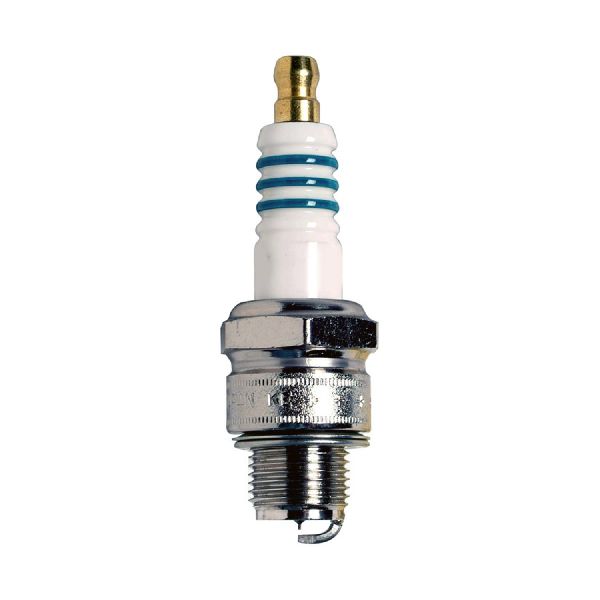
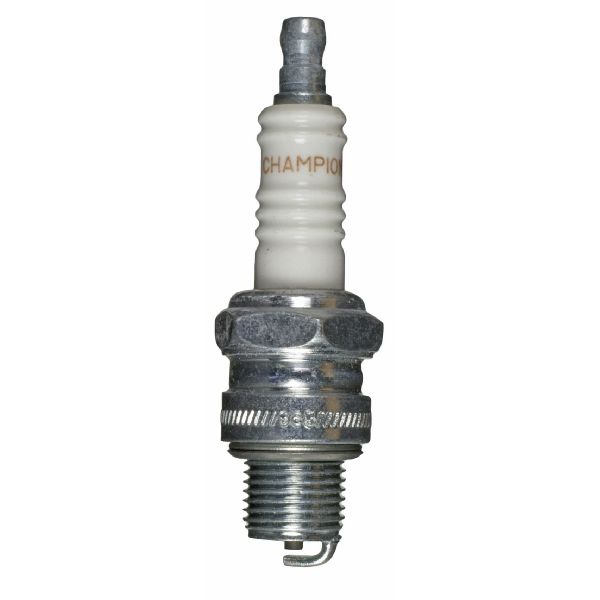
- The correct spark plug for the 1971 Yamaha JT1 is an NGK B7HS or a direct cross-reference like a Champion L82C or Denso W22FS-U.
- Always verify the spark plug gap is set to 0.024 inches before installation.
- Avoid using expensive iridium or platinum plugs; a standard copper plug is best for the JT1's ignition system.
- Reading the color of your old plug is a key diagnostic step for two-stroke engines to check for rich or lean running conditions.
Signs of a Failing Spark Plug
A bad or worn-out spark plug can cause several noticeable problems. Since the JT1 is a simple machine, the spark plug is one of the first places to look if you're having engine trouble.
- Difficulty Starting: A weak or inconsistent spark will make the engine hard to start, whether you're using the kick starter or push-starting.
- Engine Misfires or Runs Rough: If the plug isn't firing correctly, the engine may sputter, hesitate, or run unevenly.
- Loss of Power: A fouled plug can't create a hot enough spark for full combustion, leading to a noticeable drop in power.
- Excessive Smoke: While two-strokes are naturally smoky, a fouled plug can lead to incomplete combustion and even more smoke than usual.
- No Spark: In a worst-case scenario, the plug fails completely and produces no spark, preventing the engine from starting at all.
Reading Your Spark Plug
The color of your old spark plug's tip can tell you a lot about how your engine is running. After a ride, remove the plug and check the color. A light, tan-brown color means your engine is running well. A black, oily, or wet-looking plug is "fouled," often due to an incorrect fuel/air mixture or the wrong type of spark plug. A white or blistered plug indicates the engine is running too hot, which can cause serious damage.
Choosing the Right Aftermarket Spark Plug
For a vintage bike like the 1971 Yamaha JT1, you don't need a fancy, expensive spark plug. The original factory plug was an NGK B7HS. This is a standard, reliable copper plug that works perfectly with the JT1's two-stroke engine. Aftermarket brands offer direct replacements that meet or exceed the quality of the original.
Brand Options
When shopping for a replacement, you will find several trusted brands offering a compatible plug. The key is to get the correct cross-referenced part number.
- NGK: As the original equipment manufacturer, an NGK B7HS is always a safe and correct choice. They are known for their quality and consistent performance. Some charts may also list a BR7HS, which is a resistor plug; for the JT1, the standard non-resistor B7HS is correct.
- Champion: A Champion L82C is a common and reliable cross-reference for the NGK B7HS. Champion is a well-established American brand with a long history of making quality plugs.
- Denso: Denso's equivalent plug is the W22FS-U. Denso is a major OEM supplier and is known for high-quality manufacturing, making this another excellent choice.
Pro Tip: Stick with Standard Copper Plugs
While modern plugs made from iridium or platinum are available, they are not necessary for the JT1. These plugs are designed for modern, high-energy ignition systems. The simple magneto ignition on your JT1 was designed for a standard copper plug. Using a fancy plug won't improve performance and can sometimes cause issues with the engine's heat range.
Aftermarket Spark Plug Cost for 1971 Yamaha JT1
| Part Tier | Brands | Price Range |
|---|---|---|
| Standard Replacement | NGK, Champion, Denso | $3 - $8 |
| Multi-Packs | NGK | $15 - $45 |
Note: Prices are approximate and based on our inventory range of $3.48 - $17.05. They may vary based on the retailer and brand. It is common to buy multiple plugs for a two-stroke to have spares on hand.
Frequently Asked Questions
What is the correct spark plug gap for a 1971 Yamaha JT1?
The correct spark plug gap is 0.024 inches (or 0.6mm). Always check the gap with a feeler gauge before installing a new plug, as they are not always set correctly out of the box.
Is it hard to replace the spark plug on a JT1?
No, it is one of the easiest maintenance tasks you can perform. It requires only a spark plug socket and about 5-10 minutes. The plug is exposed and easy to access on the side of the engine.
My JT1 keeps fouling spark plugs. What's wrong?
Frequent plug fouling is a common issue with two-strokes and usually points to another problem. Check your carburetor settings (it may be running too rich), your fuel/oil mixture, or a clogged air filter. Using the wrong heat range spark plug can also cause fouling.
What's the difference between a B7HS and a B8ES plug?
This is a critical difference. The "H" in B7HS indicates a 1/2" (12.7mm) thread reach, which is correct for the JT1. The "E" in B8ES indicates a 3/4" reach. Using a plug with the wrong reach can cause the piston to hit the plug, resulting in catastrophic engine damage.
Technical Specifications
OEM Part Numbers: NGK-B7HS0-00-00 B7H-S0000-00-00
Standard Plug: NGK B7HS Thread Reach: 12.7mm (1/2") Hex Size: 13/16" (21mm) Spark Gap: 0.024" (0.6mm)
We Have This Part in Stock

The information in this article is provided for general reference and educational purposes only. Vehicle specifications, procedures, and part compatibility can vary by production date, trim level, and region. Always consult your vehicle's factory service manual and verify part numbers before purchasing or performing repairs. Safety-critical components such as airbags, seat belts, and braking systems should be installed by a qualified professional.