

A Home Mechanic's Guide to Universal Joints for the 1971-1973 Buick Centurion
Keep your classic Buick's driveline smooth and reliable by understanding its universal joints.
- A clunking noise when shifting or a vibration at speed are the most common signs of a failing U-joint on your Centurion.
- Do not drive with a suspected bad U-joint; a complete failure can cause the driveshaft to detach and lead to major damage.
- For best results, choose a premium non-greaseable U-joint from a brand like Dana Spicer for maximum strength and longevity.
- Be prepared to use a torch to melt out the original plastic-injected retainers if your car has never had its U-joints replaced before.
Is Your Buick Centurion's Driveline Trying to Tell You Something?
The universal joints on your 1971-1973 Centurion are tough, but they don't last forever. After 50-plus years, the original U-joints are likely worn out. The most common reason for failure is the loss of lubrication, which causes the small needle bearings inside the U-joint caps to wear out and create play. Paying attention to the signs of a failing U-joint can prevent a costly and dangerous breakdown.
Symptoms of a Bad U-Joint
- Clunking Noise: A distinct “clunk” or “ping” when you shift from park into drive or reverse is a classic sign of a worn U-joint. This is the sound of the driveshaft taking up the slack in the worn joint.
- Vibrations: A vibration that you can feel through the floor of the car, especially at highway speeds (like 35 mph or above), often points to a U-joint problem.
- Squeaking or Chirping: A rhythmic squeak that gets faster as you speed up can mean a U-joint is dry and running out of grease. This sound is often most noticeable at low speeds.
Warning: Do Not Ignore a Failing U-Joint
A U-joint that fails completely can cause the driveshaft to detach from the car. This can lead to a total loss of power and cause major damage to your transmission, exhaust, and the underside of your Buick. If you suspect a bad U-joint, it's critical to inspect and replace it promptly.
Choosing the Right Aftermarket U-Joint for Your Centurion
Original GM parts for this car are long gone, but the aftermarket offers excellent options. The key is choosing a quality brand. For a heavy car like the Centurion, this is not a part you want to cheap out on. Here's a breakdown of available brands, from premium to standard.
Brand Tiers
- Premium (OEM Quality or Better): Dana Spicer
Dana Spicer is widely considered the gold standard for U-joints and was an original equipment supplier to GM. Many professional mechanics and experienced hobbyists will use nothing else. Their non-greaseable "Spicer Life" series is known for being incredibly strong and durable, as it doesn't have the internal channels for grease that can sometimes be a weak point. - Professional Grade: Moog & SKF
Moog and SKF are well-known aftermarket brands. Moog has a reputation for creating “problem-solver” parts, though some users in forums feel their quality has slipped in recent years. SKF, a bearing specialist, is also a solid choice, with their "Brute Force" line being a heavy-duty option. Both brands offer greaseable and non-greaseable options. - Standard Replacement: GMB
GMB is a common brand that offers a more budget-friendly option. While functional for a standard daily driver, for a large, heavy classic like the Centurion, investing in a premium or professional-grade part is often recommended for longevity and peace of mind.
Pro Tip: Greaseable vs. Non-Greaseable
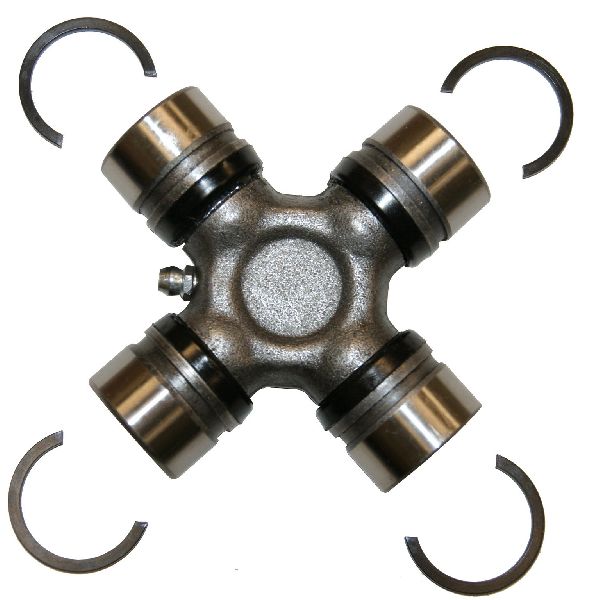
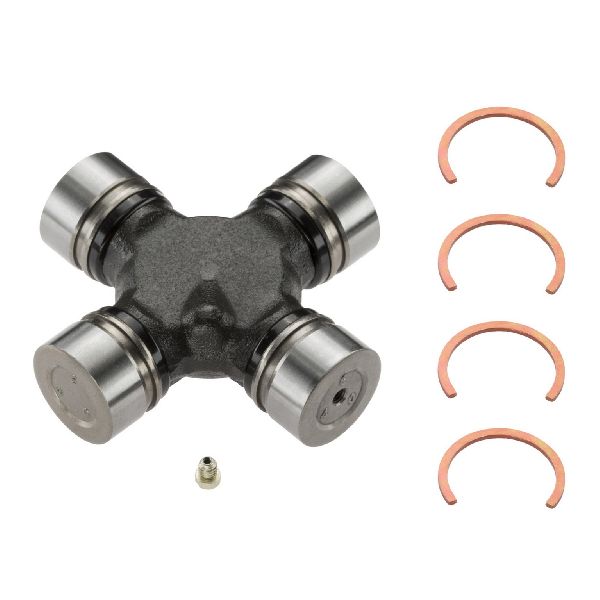
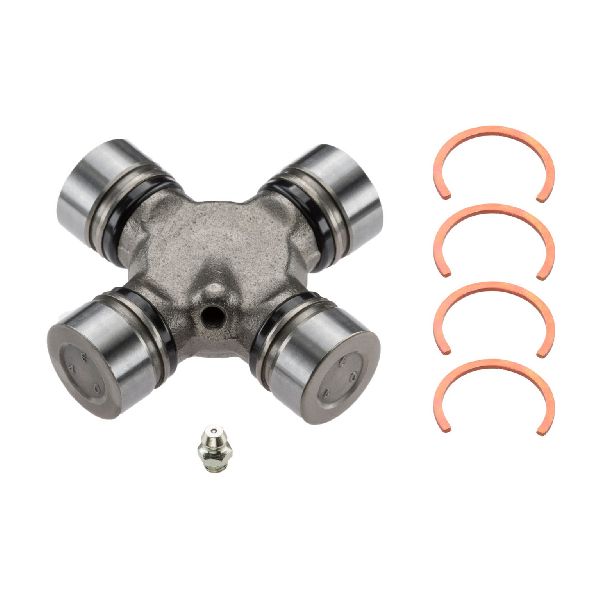
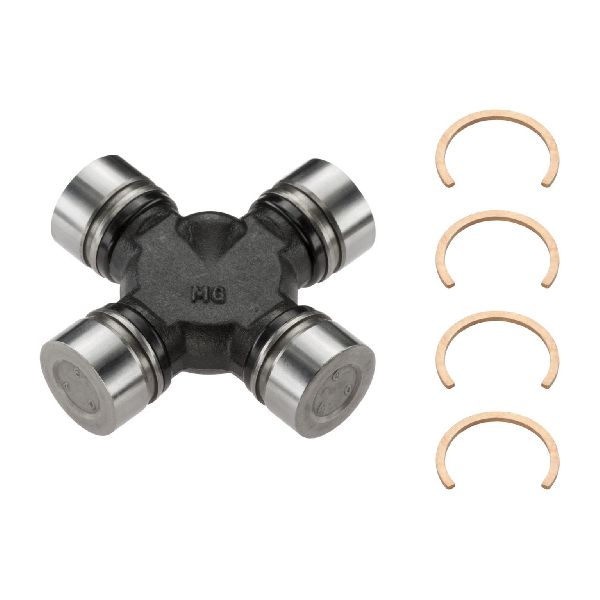
Original U-joints were often non-greaseable (sealed for life). High-quality non-greaseable replacements like the Spicer Life series are often stronger because the main body isn't drilled out for a grease fitting. Greaseable joints can last a very long time but must be greased regularly as part of your maintenance schedule. If you're the type to "fit it and forget it," a quality sealed joint is your best bet.
Known Issues & Replacement Information
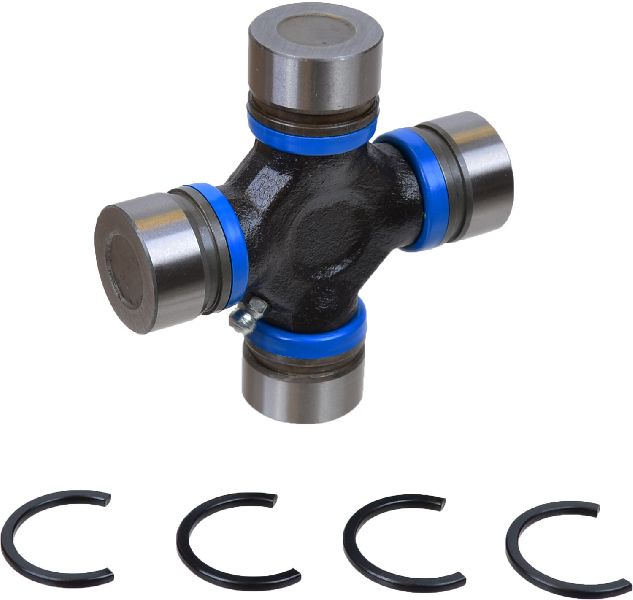
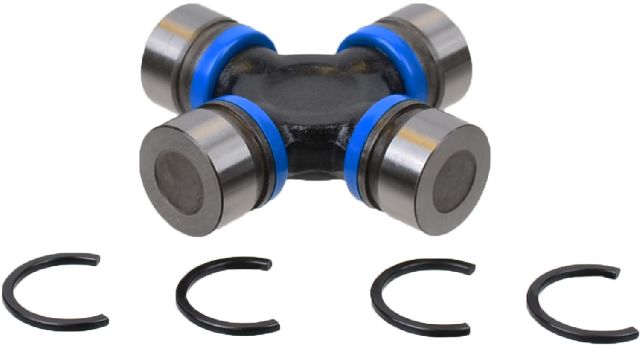
No specific recalls or technical service bulletins (TSBs) for U-joints on the 1971-1973 Buick Centurion were found in NHTSA records. However, many GM cars from this era, including your Buick, may have come from the factory with U-joints held in by injected plastic, not clips. To replace these, the plastic must be melted out with a propane torch before the old joint can be pressed out. New aftermarket U-joints will use standard internal or external clips for installation.
Cost to Replace a Buick Centurion U-Joint
| Part Type | Estimated Part Cost |
|---|---|
| New Aftermarket U-Joint | $20 - $51 |
| Shop Labor | $150 - $300 |
Costs are estimates and can vary based on location and the specific parts chosen. The Centurion has at least two U-joints.
Frequently Asked Questions
How many U-joints does my 1971-1973 Centurion have?
Your Centurion has a single-piece driveshaft and uses two universal joints – one at the transmission end and one at the rear differential end.
Can I replace a U-joint myself?
Yes, this is a common DIY job for those with mechanical experience. You will need tools to safely raise the vehicle, remove the driveshaft, and a bench vise with large sockets or a dedicated U-joint press to remove the old joint and install the new one. Be aware that you may need a torch if your car has the original plastic-injected joints.
Should I replace both U-joints at the same time?
It is highly recommended. If one U-joint has failed due to age and mileage, the other is likely not far behind. Since you will already have the driveshaft removed from the car, replacing both at once saves you from doing the same job twice.
Do I need to get my driveshaft balanced after replacing the U-joints?
For a standard U-joint replacement, balancing is not usually necessary if you carefully mark the driveshaft's orientation before removal and reinstall it in the same position. However, if you still have a vibration after the repair, a professional driveshaft shop can check the balance for you.
Technical Specifications
Common specifications for this vehicle include a bearing cap diameter of 1.125 inches with an inside lock-up (clip) style. Always confirm the exact measurements or part number for your specific application before purchasing.
We Have This Part in Stock

The information in this article is provided for general reference and educational purposes only. Vehicle specifications, procedures, and part compatibility can vary by production date, trim level, and region. Always consult your vehicle's factory service manual and verify part numbers before purchasing or performing repairs. Safety-critical components such as airbags, seat belts, and braking systems should be installed by a qualified professional.
- 🛍️ Shop This Part
- Is Your Buick Centurion's Driveline Trying to Tell You Something?
- Symptoms of a Bad U-Joint
- Warning: Do Not Ignore a Failing U-Joint
- Choosing the Right Aftermarket U-Joint for Your Centurion
- Brand Tiers
- Pro Tip: Greaseable vs. Non-Greaseable
- Known Issues & Replacement Information
- Cost to Replace a Buick Centurion U-Joint
- Frequently Asked Questions
- 🎟️ Get 5% Off