

Choosing and Replacing the Carburetor on Your 1971-1974 Dodge W100 Pickup
Get your classic Dodge truck running right by understanding how to pick the best new carburetor for your engine.
- Verify your truck's engine (Slant-6, 318, 360) and original carburetor type (1, 2, or 4-barrel) before ordering a replacement.
- For stock performance, a remanufactured Uremco carb is a simple, bolt-on solution. For upgrades, Edelbrock is user-friendly while Holley offers more tuning potential.
- Plan on making minor adjustments to the idle speed and mixture screws to get your new carburetor running perfectly on your engine.
- A new or remanufactured carburetor is often a better long-term solution than rebuilding a 50-year-old carb with a warped body or worn shafts.
Is Your W100's Carburetor Failing?
After 50+ years of service, a carburetor's internal parts wear out, passages get clogged with old fuel deposits, and gaskets fail. Problems often start small but can get bad enough to leave you stranded. Watch for these common signs that your carburetor is on its way out.
- Hard Starting & Rough Idle: Difficulty getting the engine to start, especially when cold, is a classic symptom. Once it's running, the engine might sputter, shake, or stall when you're stopped.
- Poor Performance & Hesitation: Your truck may feel sluggish, stumble when you accelerate, or just lack the power it once had. This is often caused by an incorrect air-fuel mixture or a faulty accelerator pump.
- Black Exhaust Smoke: If you see black smoke from the tailpipe, the carburetor is likely sending too much fuel into the engine, a condition known as "running rich." This wastes gas and can ruin your spark plugs.
- Engine Backfiring: A pop or bang from the engine or exhaust can happen if the mixture is too lean (not enough fuel). This can be caused by clogged jets or vacuum leaks.
- Fuel Leaks or Gas Smell: A strong smell of gasoline or visible fuel dripping from the carburetor is a serious fire hazard. It can be caused by a stuck float, bad gaskets, or a warped carburetor body.
No Recalls or TSBs, Just Age
There are no official NHTSA recalls or Technical Service Bulletins (TSBs) for carburetors on these trucks. The problems you'll face are due to normal wear and tear over many decades. Modern gasoline with ethanol can also damage the original rubber and gasket materials if the carburetor hasn't been rebuilt with modern parts.
Choosing the Right Aftermarket Carburetor
Finding a brand-new original equipment (OEM) carburetor for a truck from this era is nearly impossible. Your choices are a new aftermarket carburetor, a remanufactured unit, or rebuilding your old one. For a reliable and straightforward fix, a new or professionally remanufactured carburetor is often the best path.
Pro Tip: Before you buy, confirm your engine size (Slant-6, 318, 360, etc.) and your current carburetor type (1-barrel, 2-barrel, or 4-barrel). If you are upgrading from a 2-barrel to a 4-barrel, you will also need to buy a compatible 4-barrel intake manifold.
Brand Reputations for Your Dodge
When shopping for a new carburetor, you'll mainly see three types of brands:
- Performance Brands (Holley, Edelbrock): These are often considered upgrades over the stock unit.
- Remanufactured Brands (Uremco): These are rebuilt original carburetors restored to factory specs.
Holley
Holley is a legendary name in carburetors, known for performance and racing. They offer both factory-style replacements and performance upgrades. A Holley is highly tunable, making it a great choice if you have a modified engine or plan to upgrade in the future. However, this tunability can also make them more complex for a beginner.
Edelbrock
Edelbrock carburetors are famous for being user-friendly and reliable for street-driven trucks. Many owners find they run great right out of the box with only minor adjustments needed. They are often called a "set it and forget it" option, making them a popular choice for owners who want a simple, effective upgrade without complex tuning.
Uremco
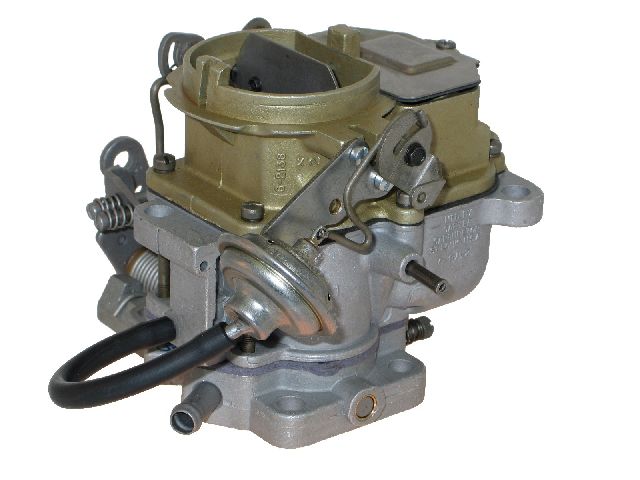
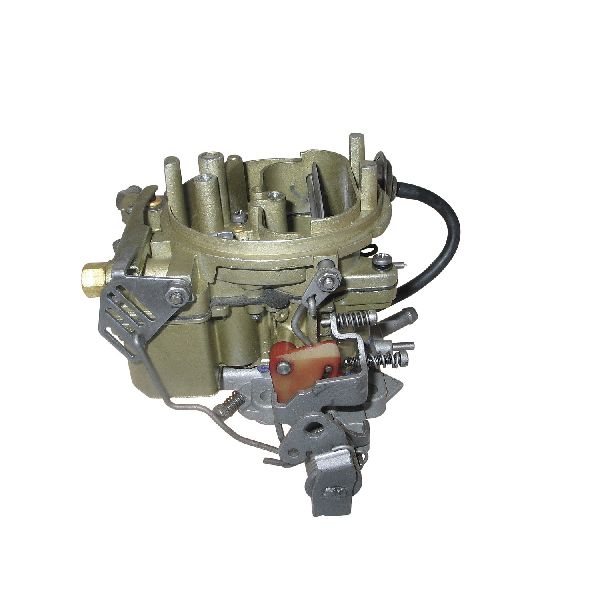
Uremco specializes in remanufacturing carburetors to meet or exceed original factory specifications. They take old carburetors, completely disassemble them, clean the metal castings, and rebuild them with all new internal wear parts. A Uremco carburetor is an excellent choice if you want your truck to run like it did from the factory with a part that bolts on directly and requires minimal fuss.
Cost of Replacing a 1971-1974 Dodge W100 Carburetor
| Part Type | Estimated Cost | Notes |
|---|---|---|
| New Aftermarket Carburetor | $308.16 - $469.95 | A brand-new unit from a brand like Holley or Edelbrock. Offers modern reliability and performance. |
| Remanufactured Carburetor | $220 - $400 | A professionally rebuilt original carburetor, like those from Uremco. Quality is generally very good. |
| Shop Labor | $150 - $300 | A professional mechanic typically charges for 1-2 hours of labor for installation and basic tuning. |
Frequently Asked Questions (FAQ)
Do I need to tune a new carburetor?
Yes, almost always. While many new carburetors are set to run well out of the box, you will need to at least set the idle speed and adjust the idle mixture screws to match your specific engine. This ensures a smooth idle and the best performance.
What does CFM mean and why does it matter?
CFM stands for Cubic Feet per Minute and it measures how much air a carburetor can flow. A stock Dodge 318 or 360 V8 does not need a huge racing carburetor. Using a carb that is too big (too much CFM) can cause poor throttle response and bogging at low speeds. For a mostly stock W100 V8, a carburetor in the 500-600 CFM range is a good choice.
Can I just rebuild my old carburetor?
Yes, and rebuild kits are widely available. However, a rebuild kit only replaces gaskets, seals, and a few small parts. It cannot fix a main body that is warped from heat or has worn-out throttle shafts, which cause vacuum leaks and tuning nightmares. If your carburetor's body is damaged, a new or remanufactured unit is a better investment.
What's the difference between a 2-barrel and a 4-barrel carburetor?
A 2-barrel carburetor has two throttle bores (openings) that feed the engine. A 4-barrel has two small primary barrels for normal driving and two larger secondary barrels that open up under heavy acceleration for more power. Upgrading from a stock 2-barrel to a 4-barrel requires a new intake manifold designed for a 4-barrel carburetor.
Technical Specifications
OEM Part Numbers: R7139 4723S 4724S 6149S 6150S 6316S 6317S
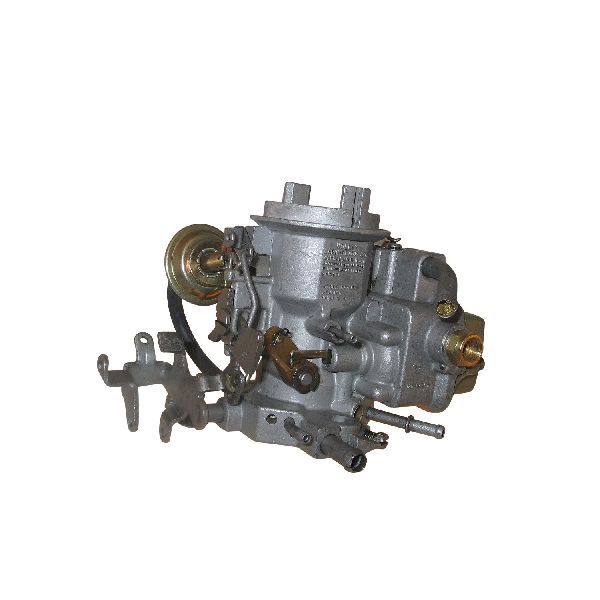
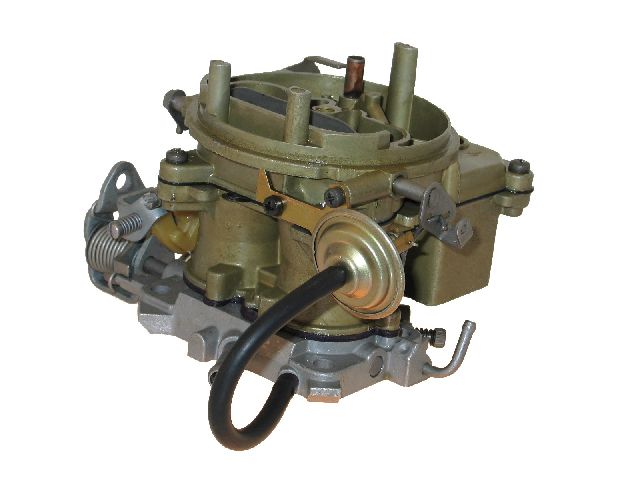
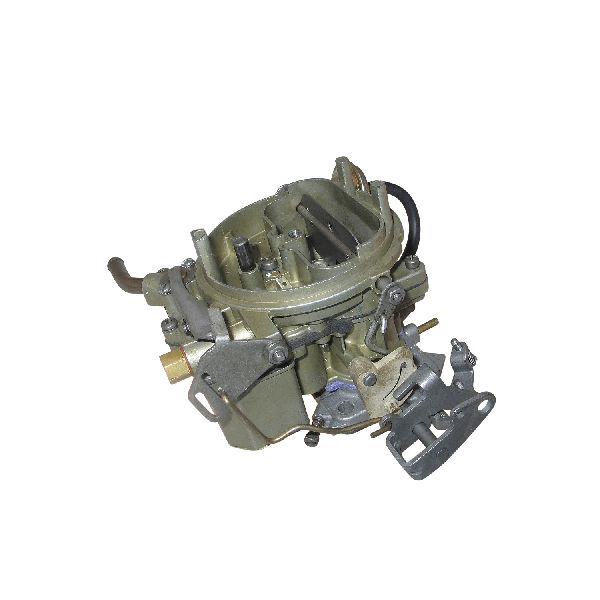
Common factory carburetors were Carter BBD 2-barrel or Holley 1920 (1-barrel), 2210, or 2280 (2-barrel) models. Aftermarket upgrades are typically square bore and range from 500-650 CFM for V8 engines. Choke can be manual, electric, or divorced (thermostatic spring on manifold).
We Have This Part in Stock


The information in this article is provided for general reference and educational purposes only. Vehicle specifications, procedures, and part compatibility can vary by production date, trim level, and region. Always consult your vehicle's factory service manual and verify part numbers before purchasing or performing repairs. Safety-critical components such as airbags, seat belts, and braking systems should be installed by a qualified professional.