

Steering Tie Rod End Guide for the 1971-1976 Cadillac DeVille
Restore precision to your classic DeVille's steering by understanding this critical component.
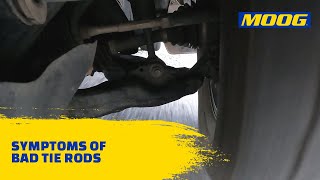
- Symptoms of a bad tie rod include loose steering, clunking noises, and uneven tire wear.
- It is unsafe to drive with a known bad tie rod end as it can lead to a loss of steering control.
- Aftermarket brands like Mevotech are the primary option for these classic vehicles.
- A professional wheel alignment is mandatory after replacing a tie rod end to prevent tire damage and ensure safe handling.
Signs of a Failing Tie Rod End on Your DeVille
A worn tie rod end on a classic Cadillac is more than just an annoyance; it's a safety issue. Because the tie rod is a direct link in the steering system, when it wears out, your control over the car is compromised. Watch for these common symptoms:
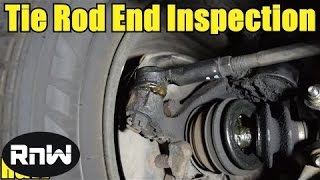
- Loose or Vague Steering: You might notice excessive play in the steering wheel, where it feels disconnected or requires constant correction to keep the car straight. This is a classic sign of a worn joint. 🎬 Watch: How to inspect and test your tie rod ends
- Steering Wheel Vibration: A shaky steering wheel, especially at higher speeds or when turning, can indicate a loose tie rod end.
- Clunking or Popping Noises: Listen for clunking sounds when turning at low speeds, like in a parking lot. This noise comes from the worn joint moving around excessively.
- Uneven Tire Wear: A bad tie rod end will cause the wheel alignment to be off, resulting in the inside or outside edge of a tire wearing down much faster than the rest.
Safety First: Do Not Ignore a Bad Tie Rod End
A completely failed tie rod end can separate from the steering knuckle, causing a total loss of steering control on that wheel. This is a critical failure that can lead to an accident. If you suspect a problem, it is not safe to continue driving the vehicle.
Choosing the Right Aftermarket Tie Rod End
For a 1971-1976 Cadillac DeVille, finding new original equipment (OEM) parts is nearly impossible. The market is served by aftermarket manufacturers. While OEM parts were the standard when the car was new, modern aftermarket parts can offer good quality and value.
Mevotech Brand Information:
Mevotech is a common aftermarket brand that offers parts for classic vehicles. Forum discussions show mixed but generally acceptable experiences, especially for standard-driving classic cars. Mevotech often offers different tiers of quality, such as an 'Original Grade' and a 'Supreme' line. For a classic car that sees limited mileage, their standard replacement parts are generally considered a serviceable option. Some users note that even though they are a Canadian company, the parts are often made in China, which is common for many aftermarket brands.
Pro Tip: Replace in Pairs and Get an Alignment
It is highly recommended to replace tie rod ends in pairs (both outer or both inner). If one has failed due to age and wear, the other is likely not far behind. Crucially, you MUST get a professional front-end alignment after replacing tie rod ends. Failure to do so will result in poor handling and will quickly destroy your tires.
| Part/Service | Estimated Cost |
|---|---|
| New Aftermarket Tie Rod End (Mevotech) | $29.23 |
| Shop Labor for Replacement (per side) | $90 - $150 |
| Required Wheel Alignment | $100 - $180 |
Frequently Asked Questions (FAQ)
Do I need to replace the inner and outer tie rods at the same time?
Not necessarily. You should replace the specific part that has failed. However, the outer tie rod ends are more exposed and tend to wear out more frequently. If you are replacing the outers, it's a good time to inspect the inners for any play.
Is replacing a tie rod end a good DIY job?
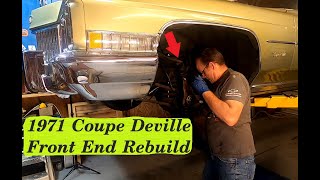
For a mechanically inclined person with the right tools (a wrench, hammer, and possibly a tie rod puller), this is a feasible DIY job. The process involves removing the wheel, loosening a jam nut, and separating the tie rod from the steering knuckle. 🎬 See this full front end tear down on a DeVille However, the final, non-negotiable step is a professional alignment, which cannot be done at home.
What's the difference between inner and outer tie rod ends?
Your DeVille has both. The inner tie rod end connects to the main steering rack or center link, while the outer tie rod end connects to the steering knuckle at the wheel. They are connected by an adjusting sleeve. The outer ends are what are most commonly replaced.
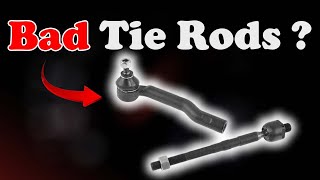
🎬 Watch: A step-by-step guide to replacing the tie rod endWere there any recalls for the 1971-1976 DeVille steering?
Searches of the NHTSA database did not show any specific recalls for the tie rod ends on 1971-1976 Cadillac DeVille models. A recall for 'STEERING:LINKAGES:ARM:IDLER AND ATTACHMENT' was found for some 1971-1973 models, but this is a different component from the tie rod end itself. No widespread factory defects related to tie rods are on record for this specific year range.
Helpful Videos
Technical Specifications
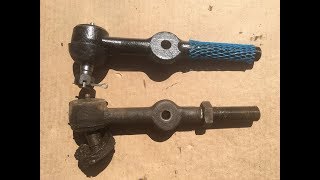
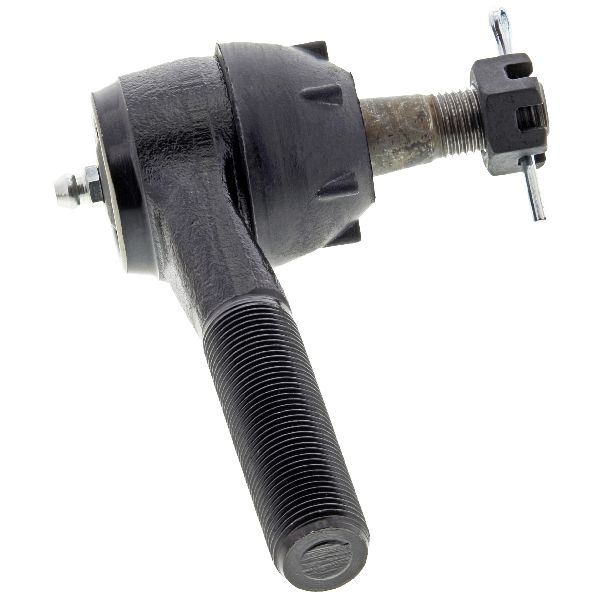
This part is a steering tie rod end, which acts as a ball-and-socket joint. It connects the vehicle's steering linkage to the steering knuckle. For the 1971-1976 DeVille, there are inner and outer tie rods for both the driver and passenger sides.
We Have This Part in Stock

The information in this article is provided for general reference and educational purposes only. Vehicle specifications, procedures, and part compatibility can vary by production date, trim level, and region. Always consult your vehicle's factory service manual and verify part numbers before purchasing or performing repairs. Safety-critical components such as airbags, seat belts, and braking systems should be installed by a qualified professional.