

A Deep Dive into the 1971-1976 Chevrolet Impala Rear Drum Brake Hardware Kit
Keep your classic Impala stopping safely and quietly by understanding the small parts that do a big job.
- Always replace the drum brake hardware kit when you replace your brake shoes to ensure safety and performance.
- For this classic vehicle, new aftermarket hardware is the only safe and practical option; OEM parts are not available.
- Any of the major aftermarket brands like Carlson, Raybestos, or Centric will provide quality, reliable hardware for a stock Impala.
- Symptoms of failure include scraping noises, a low brake pedal, and a weak parking brake.
Why Your Impala's Brake Hardware Matters
When performing a rear brake job on your 1971-1976 Impala, it's easy to focus only on the brake shoes and drums. However, the hardware holding everything together is just as important. The springs, pins, and clips in the drum brake hardware kit are constantly under tension and exposed to heat and road grime. Over 50 years, these metal parts rust, weaken, and lose their springiness. Reusing old hardware with new brake shoes is a common mistake that can lead to noise, poor performance, and uneven wear. Industry experts agree that when brake shoes are replaced, the hardware should be too.
Symptoms of Worn Drum Brake Hardware
Failing hardware can cause several problems. Being able to spot them can help you diagnose issues before they become severe.
- Scraping or Clicking Noises: A common sign of trouble is noise from the rear wheels. A broken or weak return spring can allow a brake shoe to drag against the drum, causing a scraping sound. Clicking or popping when you apply the brakes can also point to a hardware issue.
- Spongy or Low Brake Pedal: If the self-adjuster components in the hardware kit are seized or broken, the shoes won't stay close to the drum. This can create excessive space that has to be taken up when you press the pedal, leading to a low or soft pedal feel.
- Ineffective Parking Brake: The parking brake on your Impala uses the rear drum brakes to hold the car. If the hardware is worn, the shoes may not press firmly against the drum when the parking brake is engaged, causing the car to slip or the handle to pull up much higher than usual.
- Poor Braking Performance: Weak or broken springs can cause the brake shoes to sit crooked, reducing their contact with the drum and leading to longer stopping distances.
OEM vs. Aftermarket for a Classic
For a vehicle from the early 1970s, finding New Old Stock (NOS) OEM brake hardware is nearly impossible and would be very expensive if found. Used hardware from a salvage yard is a major safety risk and is not recommended. For your 1971-1976 Impala, new aftermarket hardware is the only practical and safe choice. Reputable aftermarket brands produce parts that meet or exceed original specifications and are designed to be a direct fit.
Choosing the Right Aftermarket Hardware Kit
Several well-known brands offer drum brake hardware kits for your Impala. For a stock vehicle used for regular driving, all of the brands below offer reliable, quality parts. There is little practical difference between them for this application.
- Carlson: A brand that specializes in brake hardware, Carlson kits are known to be complete and match OE quality. They are a very common and trusted choice.
- Raybestos & Centric: These are two of the biggest names in aftermarket brakes and are often mentioned together. They provide quality, standard replacement parts that you can rely on for proper fit and function.
- Dorman: Dorman offers a vast catalog of replacement parts, including brake hardware kits. They are a widely available and acceptable option for a standard brake job.
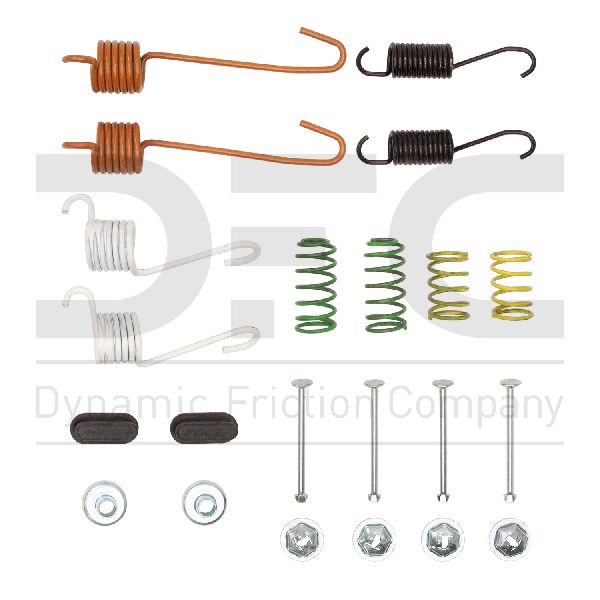
- Dynamic Friction: This brand produces quality brake components and offers kits specifically for the 1971-1976 Impala.
Pro Tip: When ordering, confirm your Impala's rear drum size. The most common size for this generation is 11 inches by 2 inches. Most kits are sold per axle, meaning one kit will service both the left and right rear wheels.
Aftermarket Drum Brake Hardware Kit Cost
| Part Type | Price Range |
|---|---|
| New Aftermarket Drum Brake Hardware Kit | $11.24 - $21.16 |
(Pricing is for the hardware kit only and does not include shoes, drums, or labor. Prices are subject to change.)
Frequently Asked Questions
Do I absolutely have to replace the hardware with the shoes?
Yes, it is highly recommended. The cost of a hardware kit is very low compared to the rest of the brake job. Old springs lose their tension, which can cause noise and premature wear on your new shoes. It is cheap insurance to ensure your new brakes work perfectly.
What parts are included in a typical hardware kit?
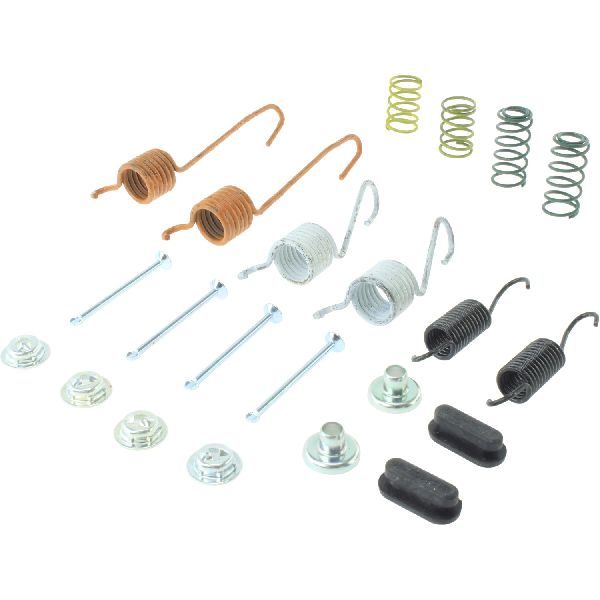
A complete rear kit for your Impala will typically include shoe return springs, hold-down springs, hold-down pins, and clips for both rear wheels. Some kits may also include components for the self-adjusting mechanism.
Are the kits for the left and right side different?
The hardware itself is often the same for both sides, but the arrangement of the self-adjuster can be side-specific. The springs are also often color-coded for a specific location (primary or secondary shoe). Always do one side at a time, using the other side as a reference to ensure you install everything correctly.
My Impala has disc brakes in the front. Does this kit work for them?
No. This is a DRUM brake hardware kit specifically for the REAR wheels of your 1971-1976 Impala. Front disc brakes use a completely different set of hardware, usually consisting of anti-rattle clips and guide pin boots.
Are there any recalls for my Impala's brakes?
Searches of the National Highway Traffic Safety Administration (NHTSA) database show no specific recalls for the drum brake hardware on 1971-1976 Chevrolet Impalas. Recalls found for the Impala nameplate relate to much newer models and different brake components.
Technical Specifications
Fits rear wheels with 11" x 2" drum brakes.
We Have This Part in Stock

The information in this article is provided for general reference and educational purposes only. Vehicle specifications, procedures, and part compatibility can vary by production date, trim level, and region. Always consult your vehicle's factory service manual and verify part numbers before purchasing or performing repairs. Safety-critical components such as airbags, seat belts, and braking systems should be installed by a qualified professional.