

Guide to the 1971-1977 Mercury Comet Automatic Transmission Mount
Experiencing clunks or vibrations in your Comet? Your transmission mount might be the culprit.
- A clunking noise when shifting into gear is the most common symptom of a failed mount.
- Replacement is a simple, DIY-friendly job that takes about an hour with basic tools.
- All available aftermarket brands (Anchor, DEA, Westar, Pioneer) are budget-friendly and will perform adequately for this application.
- While you're replacing the transmission mount, inspect the two engine mounts for wear to prevent future issues.
Symptoms of a Failing Transmission Mount
After decades of service, the original rubber on your Comet's transmission mount has likely seen better days. Heat, age, and exposure to fluids cause it to crack, harden, or collapse. When this happens, you'll start to notice some distinct issues.
Common Failure Symptoms:
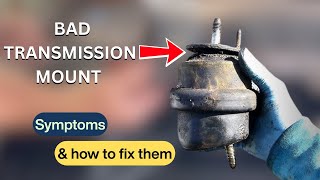
- Clunking or Banging Noises: The most common sign is a clunk or bang when you shift from Park into Drive or Reverse. You might also hear it during hard acceleration or when driving over bumps. This is the sound of the transmission moving excessively and hitting other components. 🎬 Watch this video to see five signs of mount failure.
- Excessive Vibration: A worn mount can no longer absorb drivetrain vibrations. You'll feel this through the floor, steering wheel, or seats, especially when idling in gear or accelerating.
- Visible Movement: If you can safely have a helper hold the brakes and shift the car between Drive and Reverse, you may see the engine and transmission assembly rock back and forth more than it should. A collapsed or separated mount is a clear sign it needs replacement.
Choosing the Right Aftermarket Mount
Since new Original Equipment (OEM) Ford parts for this mount are long discontinued, your only option is the aftermarket. The available brands—Anchor, DEA, Westar, and Pioneer—are generally considered standard or economy-grade replacements. For a classic car like the Comet, these parts are functional and widely used.
There is little practical difference in quality between these brands for this specific application; they are all designed to be affordable, direct-fit replacements. Some users in forums have noted minor fitment issues with economy brands in general, but for a simple mount like the one on the Comet, they typically install without problems. Given the low price point, any of these brands will restore the function of a completely failed original mount.
| Brand | Typical Price Range |
|---|---|
| Anchor, DEA, Pioneer, Westar | $16.68 - $21.79 |
Pro Tip: Check Your Engine Mounts
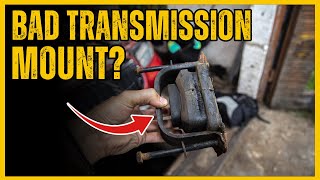
When replacing the transmission mount, it's a good practice to inspect your engine mounts as well. Worn engine mounts put extra stress on the transmission mount and vice-versa. Replacing them at the same time if they are also worn can save you from doing a similar job twice 🎬 Learn how to identify and fix a bad transmission mount. and will make your car feel much smoother.
Frequently Asked Questions
Is this a difficult part to replace myself?
No, this is a great project for a beginner. The process is straightforward and requires basic hand tools. You will need a jack to support the transmission, but the mount itself is typically held on by just a few bolts. The entire job can usually be done in about an hour.
🎬 Follow this step-by-step guide to change your transmission mount.Are there any recalls on the Comet's transmission mount?
No, there are no specific recalls or Technical Service Bulletins (TSBs) from the NHTSA related to the transmission mount for the 1971-1977 Mercury Comet. There was a major recall concerning the fuel tank in rear-end collisions for 1971-1973 models, but it is unrelated to the transmission mount.
What happens if I don't replace a bad transmission mount?
Ignoring a failed mount can lead to more serious problems. The constant, excessive movement can damage your U-joints, engine mounts, and exhaust system. In severe cases, it can even cause the transmission housing to crack or seals to leak due to the added stress.
Will a new mount make my car feel different?
Yes, absolutely. Replacing a collapsed, worn-out mount with a new one will significantly reduce vibrations and eliminate clunking noises. The car will feel smoother, quieter, and more solid when shifting gears and accelerating. You may even notice the transmission sits slightly higher than before once the new, non-collapsed mount is installed.
Helpful Videos
Technical Specifications
OEM Part Numbers: C5TZ-6068-A
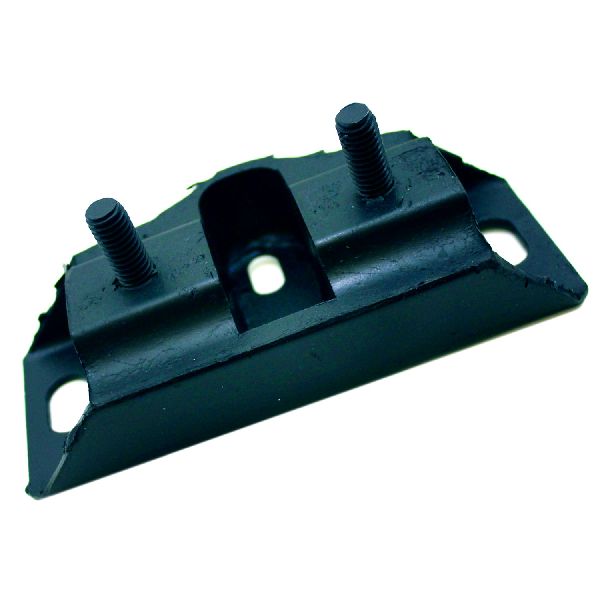
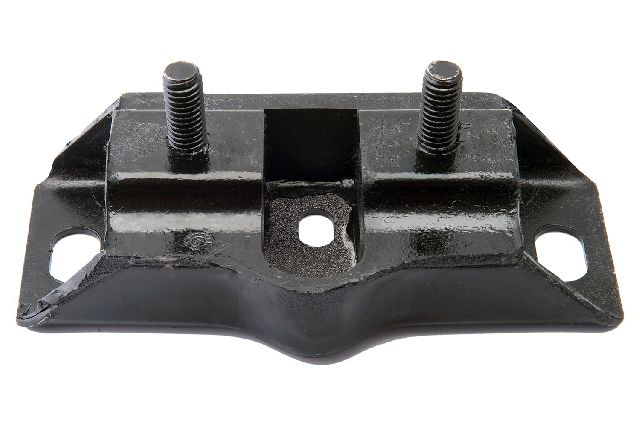
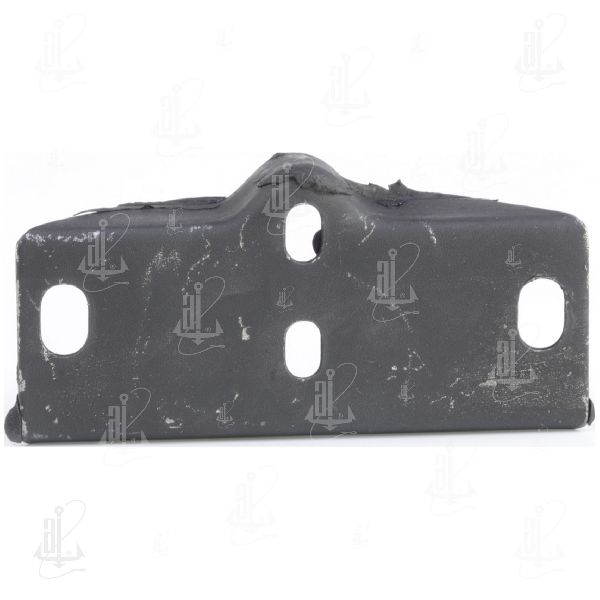
The mount is a simple design consisting of a steel bracket with bonded rubber. It attaches the transmission tailshaft housing to the vehicle's crossmember.
We Have This Part in Stock


The information in this article is provided for general reference and educational purposes only. Vehicle specifications, procedures, and part compatibility can vary by production date, trim level, and region. Always consult your vehicle's factory service manual and verify part numbers before purchasing or performing repairs. Safety-critical components such as airbags, seat belts, and braking systems should be installed by a qualified professional.