

A Guide to the 1971-1977 Mercury Comet Differential Bearing Set
Address that rear-end whine and rumble by understanding what it takes to replace your Comet's differential bearings.
- A whining or rumbling noise from the rear that changes with speed is the primary symptom of a failing differential bearing.
- Replacement is a complex job requiring special tools and precision; it is best left to a professional driveline shop.
- Timken is a trusted, high-quality aftermarket brand for differential bearings, ensuring a reliable repair.
- Most 1971-1977 Comets use a Ford 8-inch rear end, which is important information to have when ordering parts.
Signs of a Failing Differential Bearing Set
When differential bearings start to wear out, your Comet will give you clear audible warnings. Ignoring these signs can lead to more severe damage to the entire differential assembly.
Key Failure Symptoms
- Whining or Howling Noise: The most common symptom is a whining or howling noise from the rear of the car that changes pitch with speed. It may be more noticeable during acceleration or deceleration.
- Rumbling or Whirring: A rumbling sound, especially at speeds over 20 mph, often points directly to worn carrier bearings. This noise might change or get louder when you are turning.
- Vibrations: You might feel a vibration that increases as the car's speed increases. This can be a sign of worn internal components throwing the driveline out of balance.
- Clunking Sounds: In advanced stages of failure, you may hear clunking, which could indicate severe damage to the bearings or the gears they support.
Choosing the Right Aftermarket Bearings
For a classic car like the 1971-1977 Comet, finding new original equipment (OEM) parts from Ford is no longer a practical option. The market for these components is served by high-quality aftermarket manufacturers.
Brand Focus: Timken
Timken is a highly respected and trusted brand in the world of automotive bearings. They are known for their quality engineering and durable materials, often meeting or exceeding the standards of the original parts. For a critical component like a differential bearing, using a reputable brand like Timken is a sound investment to ensure a long-lasting and quiet repair. Many professional mechanics use Timken as their go-to choice for differential and wheel bearings.
Estimated Costs for Differential Bearing Replacement
| Part Type | Estimated Cost |
|---|---|
| New Aftermarket Bearing Set (Timken) | $35 - $39 |
| Shop Labor | $600 - $1000+ |
| Total Estimated Cost | $635 - $1039+ |
Frequently Asked Questions
What is included in a typical differential bearing set?
A complete master rebuild kit usually includes the carrier bearings, inner and outer pinion bearings, races for all bearings, a pinion seal, pinion nut, crush sleeve, and marking compound for checking the gear pattern. Simpler sets may only include the bearings and races.
Can I replace the differential bearings myself?
This is not recommended for most DIY mechanics. The job is complex and requires specialized tools like a hydraulic press, bearing pullers, and a dial indicator. Setting the correct pinion bearing preload and ring gear backlash is a precise process that, if done incorrectly, will quickly destroy the new bearings and gears.
What is the most common rear axle in a 1971-1977 Comet?
Most Comets from this era came equipped with a Ford 8-inch rear differential. It's important to confirm your specific axle before ordering parts, but the 8-inch is the most likely candidate.
Are there any recalls on the 1971-1977 Comet differential?
No, there are no specific recalls from the NHTSA for the differential bearings on this vehicle. However, it is worth noting that 1971-1973 models were part of a major safety investigation regarding the fuel tank's vulnerability in rear-end collisions.
Technical Specifications
The most common differential for this vehicle is the Ford 8-inch rear axle. Bearing kits must be matched to this specific differential type.
We Have This Part in Stock
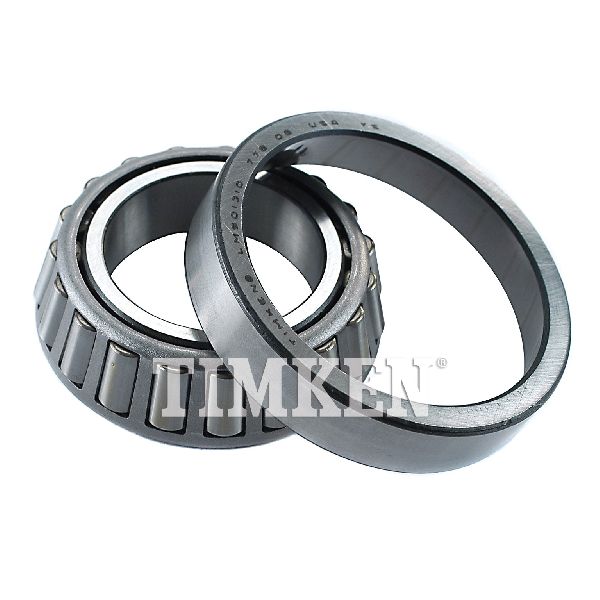
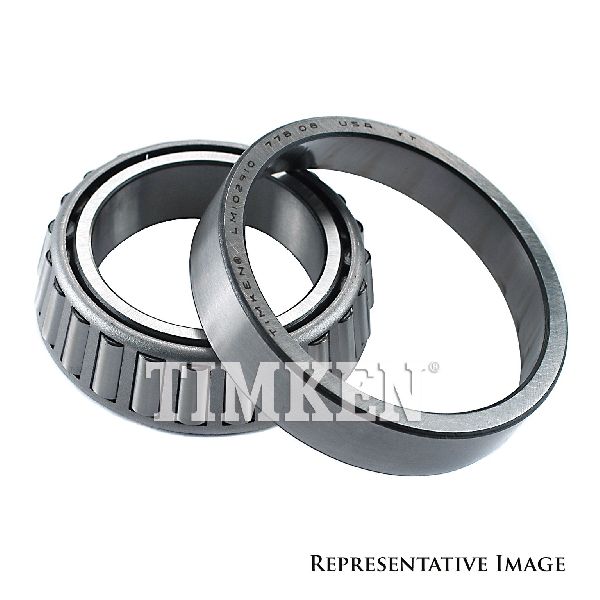

The information in this article is provided for general reference and educational purposes only. Vehicle specifications, procedures, and part compatibility can vary by production date, trim level, and region. Always consult your vehicle's factory service manual and verify part numbers before purchasing or performing repairs. Safety-critical components such as airbags, seat belts, and braking systems should be installed by a qualified professional.