

Your Complete Guide to 1971-1977 Mercury Comet Radiator Coolant Hoses
Keep your classic Comet's engine cool by knowing when and how to replace its essential radiator hoses.
- For a 1971-1977 Comet, hose failure is due to age; modern aftermarket brands like Gates, Dayco, and Continental offer excellent quality replacements.
- Always replace hoses in pairs (upper and lower) and install new clamps at the same time to ensure a reliable repair.
- A hose replacement is a simple, DIY-friendly job that can prevent catastrophic and expensive engine damage from overheating.
- Verify the hose fits your specific engine (6-cylinder or V8) as they are different, and be prepared to trim some aftermarket hoses for a perfect fit.
Signs of a Failing Radiator Hose
For a classic car like the 1971-1977 Mercury Comet, radiator hoses fail primarily due to age. The original rubber breaks down over decades of heat cycles. When inspecting your hoses, look for these common symptoms:
- Visible Damage: Check for cracks, splits, or hardening of the rubber. A hose that feels brittle or crunchy when squeezed needs immediate replacement.
- Swelling or Bulging: Soft, swollen, or bulging spots are weak points that could burst under pressure. This can be caused by oil contamination or internal breakdown of the hose material.
- Leaks: Puddles of green or yellow, sweet-smelling coolant under your car are a clear sign of a leak. You might also see white or crusty residue around the hose connections.
- Spongy or Soft Feel: When the engine is cool, squeeze the hoses. They should feel firm but pliable. If a hose feels mushy or soft, its internal structure is failing.
- Engine Overheating: If your Comet's temperature gauge starts climbing into the hot zone, a collapsed or leaking hose could be restricting coolant flow.
Critical Warning: Do Not Drive If Overheating
If you see steam coming from under the hood or your temperature gauge is in the red, pull over and shut off the engine immediately. Driving an overheating vehicle can cause catastrophic engine damage, such as a warped cylinder head or blown head gasket.
Choosing the Right Aftermarket Hose
Original Ford (OEM) hoses for a 1970s Comet are virtually non-existent, except for rare and expensive New Old Stock (NOS) parts. Thankfully, modern aftermarket hoses from brands like Gates, Dayco, and Continental are high-quality, affordable, and often made with superior rubber compounds compared to the originals.
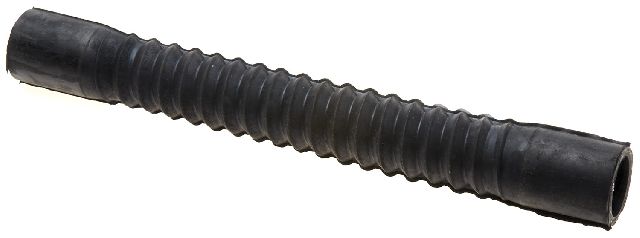
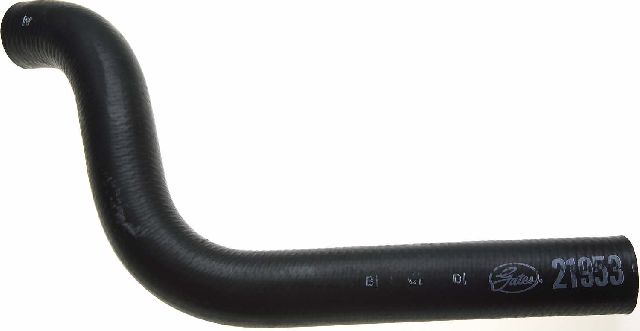
- Molded vs. Flexible: Molded hoses are pre-shaped to fit your Comet's specific engine layout perfectly, just like the original. Flexible hoses can be bent to fit but may not have the clean, original look. For a classic restoration, always choose a molded hose when available.
- Brand Tiers: Gates, Dayco, and Continental are all reputable manufacturers with decades of experience. Forum discussions among car enthusiasts often show a slight preference for Gates due to its reputation for quality and sometimes being an OEM supplier for modern cars. However, all three brands produce reliable hoses that will perform well in your Comet. The best choice often comes down to availability and price.
Pro Tip: Replace Clamps and Hoses Together
Always replace the hose clamps when you replace the hoses. Old clamps can lose their tension and fail to create a proper seal, leading to leaks. It's also wise to replace both the upper and lower hoses at the same time. If one has failed due to age, the other is likely not far behind.
Estimated Replacement Costs
The cost to replace radiator hoses on a 1971-1977 Mercury Comet is reasonable, especially if you do the work yourself. The job is straightforward and requires basic hand tools.
| Part or Service | Estimated Cost |
|---|---|
| New Aftermarket Radiator Hose (Single) | $21 - $51 |
| Shop Labor | $100 - $200 |
| DIY Total (Upper & Lower Hoses) | $45 - $105 |
| Shop Total (Upper & Lower Hoses) | $145 - $305 |
Frequently Asked Questions
Do I need a specific hose for my engine?
Yes. The Mercury Comet was available with different engines (6-cylinder and V8) across its model years, and they use different hoses. Always verify that the part you are buying fits your specific year and engine size (e.g., 200ci, 250ci, or 302ci V8).
Are there any recalls on Comet radiator hoses?
No, there have been no recalls or technical service bulletins (TSBs) issued for the radiator hoses on the 1971-1977 Mercury Comet. Any failures are due to the age and wear of the part.
Can I reuse my old coolant?
It is not recommended. Coolant degrades over time and loses its anti-corrosive properties. A hose replacement is a perfect opportunity to flush the system and refill with fresh, new coolant.
My new hose seems too long. Is it the wrong part?
Possibly not. Some aftermarket hoses are designed to be 'cut-to-fit' for multiple similar applications. Compare the new hose to the old one you removed and carefully trim it to the correct length if needed.
Technical Specifications
OEM Part Numbers: D2PZ-8260B D2PZ-8286H D2PZ-8260G
Material: EPDM Rubber. Temperature Range: Approx. -40°F to +257°F (-40°C to +125°C). Reinforcement: Knitted synthetic fiber. Type: Molded or Flexible.
We Have This Part in Stock
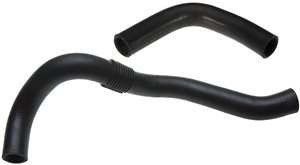
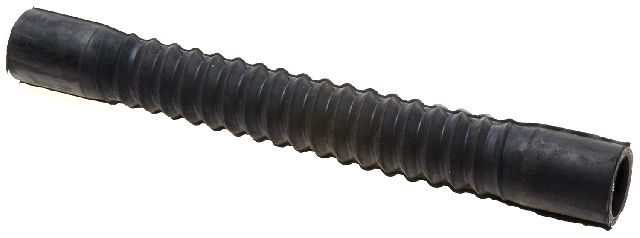

The information in this article is provided for general reference and educational purposes only. Vehicle specifications, procedures, and part compatibility can vary by production date, trim level, and region. Always consult your vehicle's factory service manual and verify part numbers before purchasing or performing repairs. Safety-critical components such as airbags, seat belts, and braking systems should be installed by a qualified professional.