

A Practical Guide to Replacing Ball Joints on Your 1971-1977 Mercury Comet
Restore your classic Comet's steering response and safety by understanding how to choose the right new ball joints.
- Ball joint failure is a critical safety issue; replace them if you hear clunking noises or feel looseness in the steering.
- Always get a professional wheel alignment immediately after replacing ball joints to prevent tire damage.
- For longevity, choose premium aftermarket brands like Moog or Delphi, especially those with greasable fittings.
- It is strongly recommended to replace upper, lower, and both side ball joints at the same time for safety and to save on future labor.
Is Your Comet's Front End Making Noise?
Ball joints on a classic car like the 1971-1977 Mercury Comet are wear-and-tear parts. After 50+ years, the original joints are well past their service life. Worn ball joints are not just noisy; they are a serious safety hazard. If a ball joint fails completely, the suspension can collapse, causing the wheel to fold sideways and a complete loss of steering control. Paying attention to the warning signs is key to keeping your Comet safe and on the road.
Common Symptoms of a Bad Ball Joint:
- Clunking or Popping Noises: A metallic clunking sound from the front suspension when going over bumps or making sharp turns is the most common sign of a worn ball joint.
- Squeaking Sounds: A creaking or squeaking noise when you turn the steering wheel can be an early warning that the grease inside the ball joint has dried out.
- Sloppy Steering: If your steering feels loose, vague, or wanders, it's often due to excessive play in the ball joints. You might also feel vibrations through the steering wheel.
- Uneven Tire Wear: Inspect your front tires. If the inside or outside edges are wearing down faster than the center, worn ball joints are a likely cause.
Known Issues, Recalls, and TSBs
There are no active recalls or technical service bulletins (TSBs) from the National Highway Traffic Safety Administration (NHTSA) for suspension ball joints on the 1971-1977 Mercury Comet. Any failure today is due to the part's age and normal wear. A recall did exist for the 1977 model's manual steering gear box, but this was unrelated to the ball joints themselves.
Choosing the Right Aftermarket Ball Joint
Since Original Equipment (OE) Ford/Motorcraft parts are no longer produced for this vehicle, the market consists entirely of aftermarket brands. For a critical part like a ball joint, choosing a quality replacement is important to avoid doing the job twice. Aftermarket brands can be grouped into quality tiers.
Brand Quality Tiers
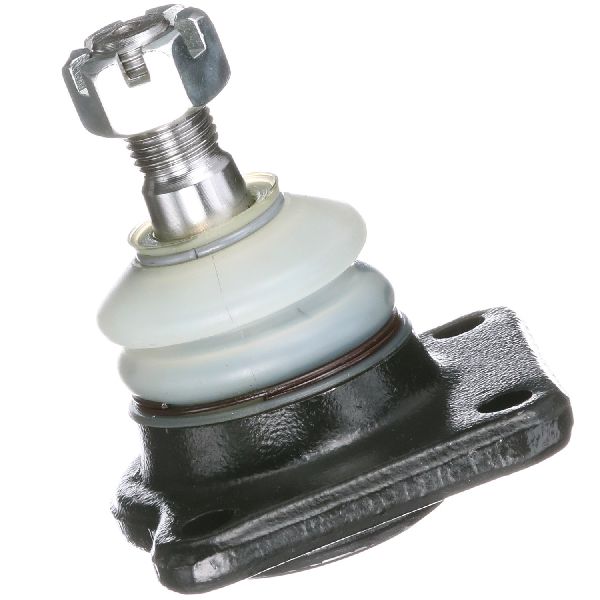
- Premium Brands (Moog, Delphi): These brands are generally considered top-tier. Moog's "Problem Solver" line, in particular, is well-regarded for often improving on the original design, sometimes including grease fittings for longer life with regular maintenance. Delphi is also known for producing parts that meet or exceed original quality standards. These are an excellent choice for owners who want the best durability.
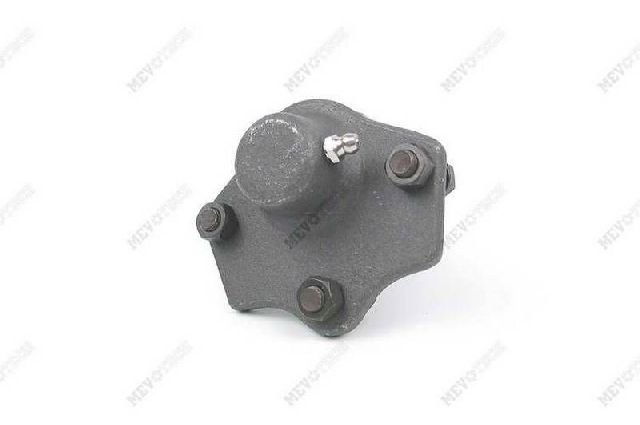
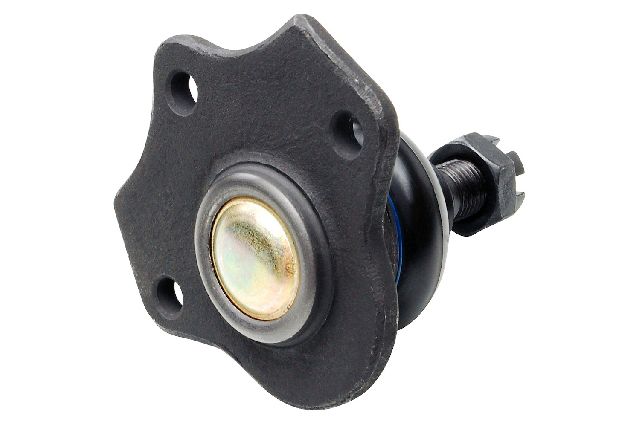
- Standard Brands (Mevotech): Mevotech offers a good balance of quality and price. They often have multiple product lines, so you can choose between a standard replacement and a more heavy-duty option. They are a solid choice for daily drivers.
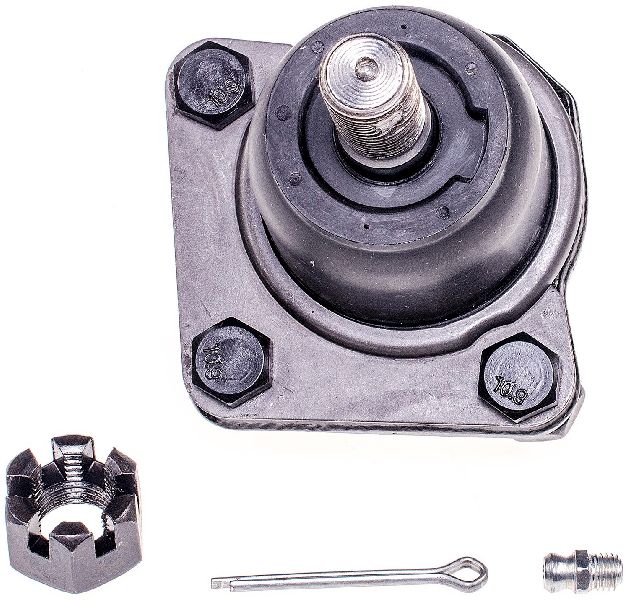
- Economy Brands (Dorman, QuickSteer, Skyward): These brands provide a cost-effective solution for repairs. Dorman is a widely available option that can be a good value, though quality can sometimes be inconsistent compared to premium lines. These parts will get the job done on a budget.
How Much Does a Ball Joint Replacement Cost?
The cost depends on the brand you choose and whether you do the work yourself. A professional alignment is required after the job is done to prevent rapid tire wear.
| Part/Service | Estimated Cost |
|---|---|
| New Aftermarket Ball Joint (per part) | $20.08 - $64.69 |
| Shop Labor (per part) | $100 - $250 |
| Wheel Alignment | $100 - $150 |
| Total Professional Replacement (per part) | $220 - $465 |
Frequently Asked Questions
Do I need special tools to replace the ball joints?
Yes. The ball joints on a Comet are pressed into the control arms. You will need a ball joint press (a large C-clamp style tool) to remove the old one and install the new one. You will also need a ball joint separator, sometimes called a pickle fork, to separate the joint from the steering knuckle. Many auto parts stores offer tool rental programs for these items.
Should I replace the upper and lower ball joints at the same time?
It is highly recommended. If one ball joint is worn out from age, the others are likely in similar condition. Replacing them all at once saves you from having to do the job again soon and ensures the entire suspension is safe. It is also best practice to replace them in pairs (both driver and passenger sides).
Is a Ford Maverick ball joint the same?
Yes, the 1971-1977 Mercury Comet shares its chassis and many suspension parts with the Ford Maverick from the same years. Parts listed for a Maverick will almost always fit your Comet, but it's always a good idea to double-check fitment for your specific vehicle before ordering.
Do I need a wheel alignment after replacing ball joints?
Absolutely. Replacing ball joints will change your vehicle's suspension geometry. A four-wheel alignment is necessary to ensure your car drives straight and to prevent your tires from wearing out prematurely.
Technical Specifications
The 1971-1977 Mercury Comet uses a short-long arm (SLA) front suspension with separate upper and lower ball joints that are pressed into the control arms.
We Have This Part in Stock

The information in this article is provided for general reference and educational purposes only. Vehicle specifications, procedures, and part compatibility can vary by production date, trim level, and region. Always consult your vehicle's factory service manual and verify part numbers before purchasing or performing repairs. Safety-critical components such as airbags, seat belts, and braking systems should be installed by a qualified professional.