

Renault R12 Spark Plug Replacement Guide (1971-1977)
Keep your classic Renault R12 running smoothly with the right set of new spark plugs.
- For a stock Renault R12, standard copper/nickel spark plugs from brands like NGK or Champion are the most reliable and cost-effective choice.
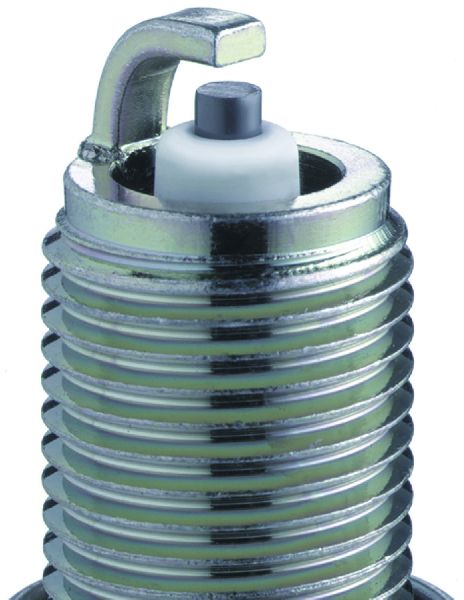
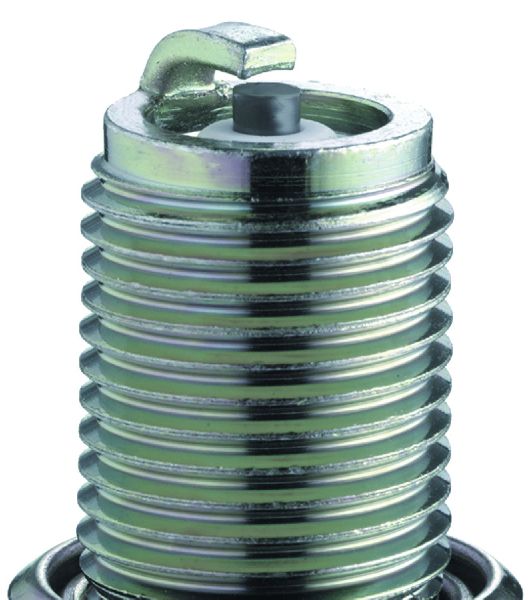
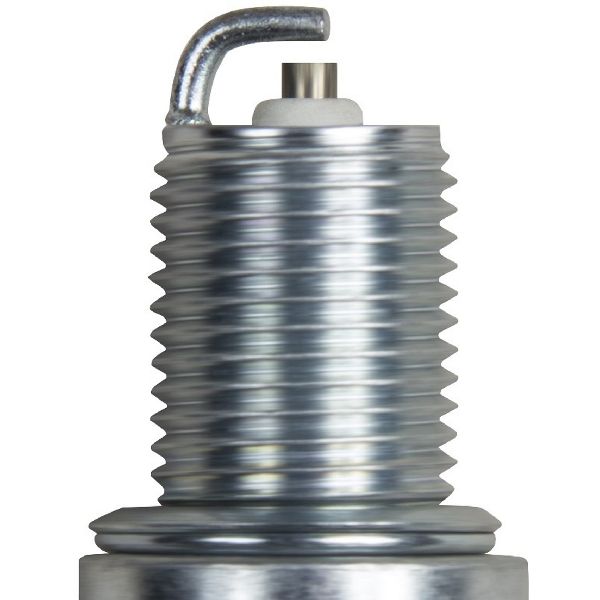
- The spark plug gap is critical for performance; it must be set to 0.025 inches before installation.
- Due to the engine's simple design, replacing spark plugs is an easy DIY task that takes less than an hour.
- Your vehicle predates computer diagnostics, so you must rely on symptoms like rough idle or poor acceleration to know when plugs are failing.
Signs of Failing Spark Plugs in Your R12
The spark plugs in your Renault R12 are wear-and-tear items. As they get old, the metal electrodes wear down, and carbon can build up. This makes it harder for them to create a good spark. You will likely notice when your plugs are starting to fail.
- Rough Idling: The engine may shake or sound uneven when the car is stopped.
- Trouble Starting: A weak spark makes it harder for the engine to fire up, especially in cold weather.
- Poor Acceleration: The car may feel sluggish or hesitant when you press the gas pedal.
- Engine Misfires: You might feel a stutter or jerk from the engine while driving. This is a common symptom of a faulty spark plug.
- Worse Fuel Economy: When the fuel isn't burned efficiently, your car will use more of it, costing you more at the pump.
No Check Engine Light
Your 1971-1977 Renault R12 was built before modern computer systems. It does not have an On-Board Diagnostics (OBD-II) port, so there will be no 'Check Engine' light or error codes to tell you the spark plugs are bad. You must rely on observing how your engine is performing.
Choosing the Right Aftermarket Spark Plug
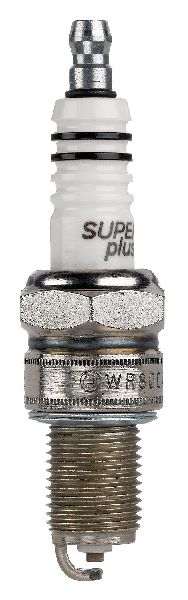
Since original Renault parts for this car are no longer made, you will be buying aftermarket plugs. The good news is that reputable brands have been making plugs for this engine for decades. The original plugs were a basic copper/nickel design, and this technology still works perfectly today.
Tier 1: Standard Copper/Nickel Plugs (Recommended)
This is the original style of spark plug used in your R12. They are affordable and reliable. For a stock engine, this is the best choice for consistent performance. Expect to change them more often than modern plugs, about every 15,000-20,000 miles, to keep the engine in top shape.
- NGK (Standard): A popular choice for many Renaults, offering reliable OE-quality performance. Part numbers like BPR5ES or BPR6HS are common fits.
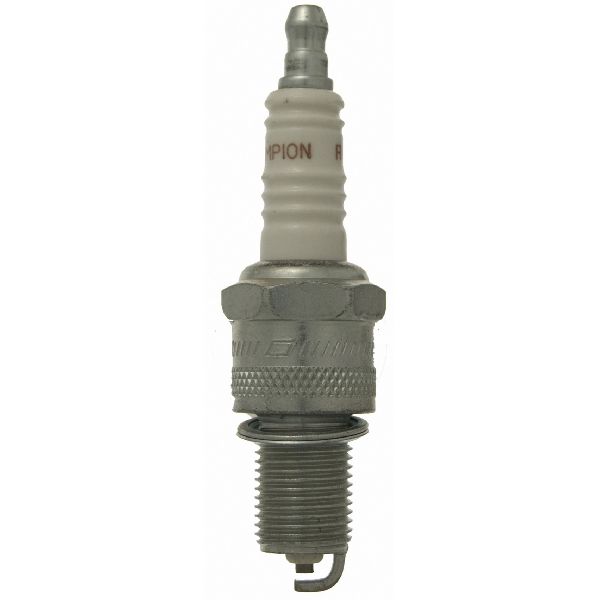
- Champion (Copper Plus): A classic brand that has made plugs for this car since it was new. Their Copper Plus plugs are a direct, reliable replacement.
- Bosch (Nickel/Copper): Bosch offers dependable standard plugs with a copper core that are a great fit for the R12's engine.
Tier 2: Platinum and Iridium Plugs
These plugs use more expensive materials on their electrodes, which makes them last much longer and provide a very stable spark. While they are an option, the performance benefits on a vintage engine like the R12's are minimal. They cost more, and for the price of one set of iridium plugs, you could buy several sets of standard copper plugs.
- NGK (G-Power/Iridium IX): An upgrade option that offers a finer electrode for a more focused spark.
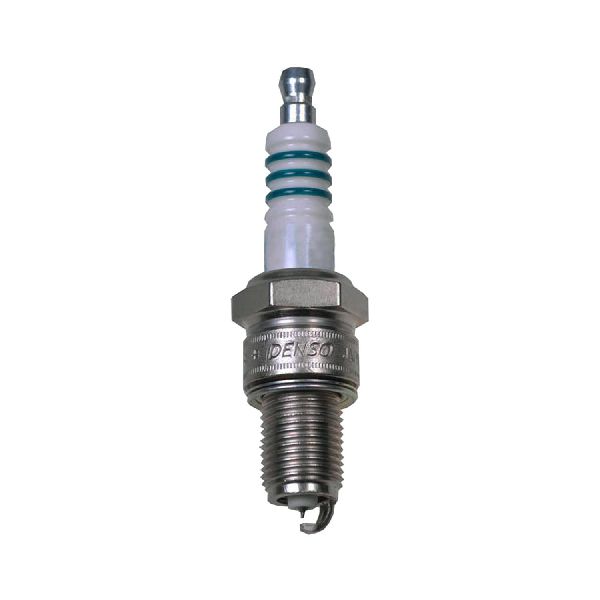
- Autolite (Iridium XP): Another premium option designed for long life and improved ignitability.
Pro Tip: Check the Gap
No matter which spark plug you buy, you must check the spark plug gap before installing it. For the 1.6L engine in the R12, the correct gap is approximately 0.025 inches. Use a feeler gauge or a gap tool to ensure this measurement is correct. An incorrect gap can cause poor performance.
Aftermarket Spark Plug Cost for 1971-1977 Renault R12
| Tier | Brands | Average Price (per plug) |
|---|---|---|
| Standard Copper/Nickel | NGK, Champion, Bosch | $3.68 - $7.00 |
| Platinum/Iridium | NGK, Autolite | $8.00 - $16.38 |
Frequently Asked Questions
How often should I change the spark plugs?
For standard copper/nickel plugs, a good interval is every 15,000-20,000 miles or every two years to ensure peak performance. If you use more expensive iridium or platinum plugs, you can extend this interval significantly, but regular changes of affordable copper plugs are often the best strategy for older cars.
What is the correct spark plug gap?
The correct spark plug gap for the 1971-1977 Renault R12 with the 1.6L engine is 0.025 inches. Always verify this with a gap tool before installation, as they can be knocked out of adjustment during shipping.
Are expensive iridium plugs worth it for my R12?
For most owners, the answer is no. While iridium plugs last longer, they cost significantly more. The simple ignition system of the R12 was designed for standard copper plugs, and you are unlikely to see a noticeable performance gain. Sticking with fresh copper plugs from a quality brand like NGK or Champion is a more cost-effective and reliable strategy.
Do I need to use anti-seize on the spark plug threads?
Most modern spark plugs, including those from NGK, have a special trivalent plating that acts as an anti-seize agent. Applying your own anti-seize can lead to over-torquing the plugs and can cause more harm than good. It is generally recommended to install them dry.
Technical Specifications
Engine: 1.6L L4 (Cléon-Fonte) Number of Plugs: 4 Spark Plug Gap: 0.025 in (0.64 mm) Common Part Numbers: NGK BPR5ES, NGK BPR6HS, Champion RN12YC
We Have This Part in Stock

The information in this article is provided for general reference and educational purposes only. Vehicle specifications, procedures, and part compatibility can vary by production date, trim level, and region. Always consult your vehicle's factory service manual and verify part numbers before purchasing or performing repairs. Safety-critical components such as airbags, seat belts, and braking systems should be installed by a qualified professional.
- 🛍️ Shop This Part
- Signs of Failing Spark Plugs in Your R12
- No Check Engine Light
- Choosing the Right Aftermarket Spark Plug
- Tier 1: Standard Copper/Nickel Plugs (Recommended)
- Tier 2: Platinum and Iridium Plugs
- Pro Tip: Check the Gap
- Aftermarket Spark Plug Cost for 1971-1977 Renault R12
- Frequently Asked Questions
- 🎟️ Get 5% Off