

Choosing the Right Spark Plugs for Your 1971-1978 Mercury Capri
Keep your classic Capri's engine running smoothly with the correct set of new aftermarket spark plugs.
- Stick with standard copper core spark plugs from brands like Motorcraft or Autolite for the best performance in a stock Capri engine.
- Verify the correct part number for your specific engine (1.6L, 2.0L, 2.3L, or 2.8L V6) as they are not interchangeable.
- Always check and adjust the spark plug gap to your vehicle's specification before installation using a feeler gauge.
- Expensive platinum or iridium plugs are not recommended and may cause performance issues in these vintage ignition systems.
Signs of Failing Spark Plugs in Your Capri
Worn or fouled spark plugs can cause noticeable problems. Since vehicles from this era don't have modern check engine lights for diagnostics, you need to pay attention to how the car feels and sounds. Common symptoms include:
- Rough Idling: The engine may shake or sound uneven when you're stopped at a light.
- Trouble Starting: Weak plugs make it harder for the engine to fire up, especially when cold.
- Engine Misfires: You might feel a hesitation, stumble, or jerking from the engine during acceleration.
- Poor Acceleration: The car may feel sluggish or less responsive than usual, as if it has lost power.
- Worse Gas Mileage: Inefficient combustion from bad plugs means you'll be stopping for gas more often.
Reading the Plugs
When you remove an old spark plug, its appearance tells a story. A healthy plug should have light brown or tan deposits on the tip. If it's covered in black, sooty carbon, the engine may be running too rich. If it's wet with oil, you may have worn piston rings or valve seals.
Choosing the Right Aftermarket Spark Plug
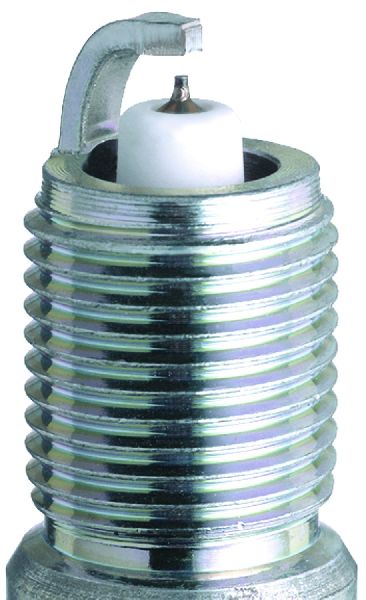
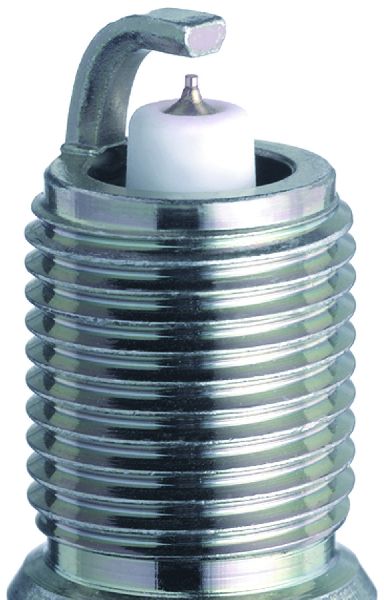
For a classic car like the Capri, sticking to the basics is often the best approach. The original ignition systems were designed for conventional copper core spark plugs. While modern platinum and iridium plugs last longer, they may not perform well with older, carbureted engines and could even lead to fouling.
Brand Tiers for Your Mercury Capri
- OEM-Equivalent Quality (Excellent Choice): Motorcraft is Ford's official parts brand and is the closest you can get to the original factory plug. Autolite is also highly recommended for Ford engines of this era and is often considered an OEM equivalent. Many classic Ford owners and mechanics report that these engines run best on simple, inexpensive copper Autolite or Motorcraft plugs.
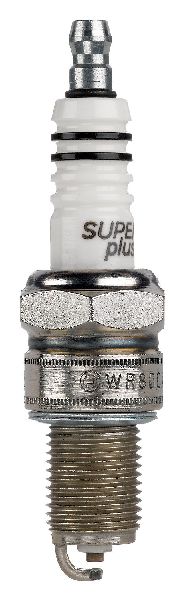
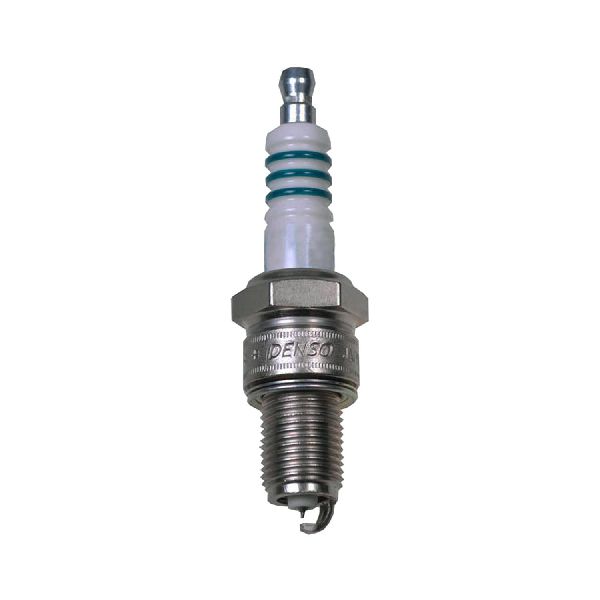
- High-Quality Aftermarket (Reliable Alternatives): NGK and Denso are well-respected Japanese brands known for excellent quality and reliability. Their standard copper plugs are a great option for any of the Capri's engines. Bosch standard copper plugs are also a solid choice, though some owners have reported issues with their multi-electrode platinum plugs in older Fords.
- Standard Replacement (Good Value): Champion is a long-standing brand that offers reliable copper plugs that will get the job done. Some users have noted a shorter service life compared to other brands, but they remain a functional and affordable option.
Match the Plug to Your Engine
The 1971-1978 Capri used several engines: a 1.6L I4, 2.0L I4, 2.3L I4, and a 2.6L/2.8L V6. Each requires a specific spark plug with the correct heat range and thread reach. Using the wrong plug can lead to poor performance or even engine damage. Always verify the part number for your specific engine before purchasing.
| Tier | Brand Examples | Price Range (per plug) |
|---|---|---|
| OEM-Equivalent | Motorcraft, Autolite | $3.23 - $6.00 |
| High-Quality Aftermarket | NGK, Denso, Bosch | $3.50 - $8.00 |
| Performance / Specialty | MSD, some NGK/Denso Iridium | $8.00 - $19.48 |
Frequently Asked Questions (FAQ)
What is the correct spark plug gap for my Capri?
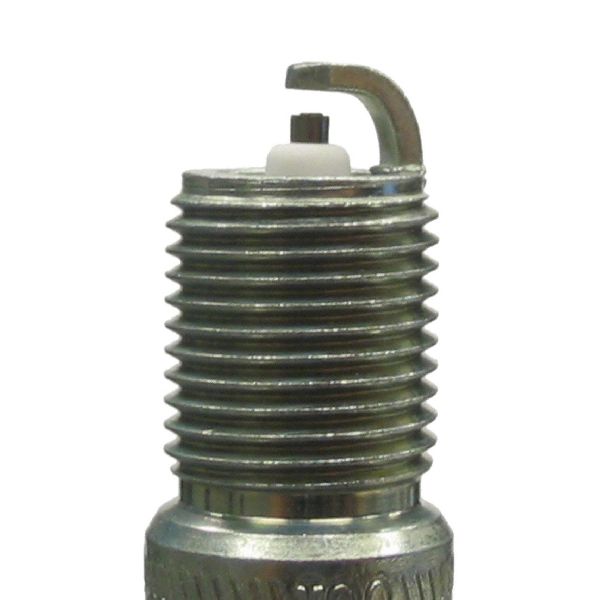
The spark plug gap is the distance between the center and ground electrodes. For most Capri engines with standard ignitions, a gap of around 0.035 inches (0.8mm) is a common starting point. However, this can vary by year and engine, so it's crucial to check a service manual for your specific model. Always use a feeler gauge or gap tool to check and adjust the gap on new plugs before installation.
How often should I change my spark plugs?
For conventional copper core plugs used in the 1970s, a typical replacement interval was every 12,000 to 20,000 miles. Given their low cost and the significant impact they have on engine performance, changing them regularly is an easy and effective piece of preventative maintenance for your classic Capri.
Are expensive iridium or platinum plugs better for my classic Capri?
No, not necessarily. For a stock engine, expensive plugs are unlikely to provide any noticeable benefit. These older, carbureted engines and ignition systems were designed for standard copper plugs. Platinum and iridium plugs have a very fine center electrode that can be more prone to fouling in these applications, potentially causing misfires and rough running. Sticking with copper plugs from brands like Motorcraft or Autolite is the most reliable choice.
Were there any recalls or TSBs for Capri spark plugs?
No specific recalls or Technical Service Bulletins (TSBs) related to spark plugs were found for the 1971-1978 Mercury Capri in the NHTSA database. Any issues with spark plugs on a vehicle of this age are typically related to normal wear and tear or incorrect part selection.
Technical Specifications
OEM Part Numbers: Motorcraft AWSF series (example) Autolite 46 (example)
Spark plug selection is specific to the engine type: 1.6L I4, 2.0L I4, 2.3L I4, or 2.8L V6. The most critical specifications are heat range, thread reach, and gap. For most applications, a conventional copper core plug with a gap of approximately 0.035 inches is appropriate.
We Have This Part in Stock


The information in this article is provided for general reference and educational purposes only. Vehicle specifications, procedures, and part compatibility can vary by production date, trim level, and region. Always consult your vehicle's factory service manual and verify part numbers before purchasing or performing repairs. Safety-critical components such as airbags, seat belts, and braking systems should be installed by a qualified professional.