

Mercury Capri Shock and Strut Replacement Guide (1971-1978)
Everything you need to know to restore the ride and handling of your classic 1971-1978 Mercury Capri.
- Your Capri uses MacPherson struts in the front and separate shock absorbers in the rear; confirm which you are buying.
- For best results, replace shocks and struts in pairs (front pair or rear pair).
- Choose your brand based on your goal: Koni for performance, KYB for a quality daily-driver feel, and budget brands like FCS or PRT for the lowest cost.
- Be aware that modern gas-charged shocks may provide a firmer ride than the original factory parts.
Is Your Capri's Ride Not What It Used to Be?
The shocks and struts on your 1971-1978 Mercury Capri are essential for both comfort and safety. As these parts age, the fluid inside can break down or leak, and internal seals can fail. This leads to a noticeable decline in ride quality. If you're experiencing a bouncy ride, excessive body roll in corners, or the front end diving during braking, it's likely time for a replacement. Since your Capri is a classic, the original shocks were likely oil-based, and many modern replacements are gas-charged, which can change the feel of your car.
Symptoms of Failing Shocks and Struts
- Bouncy Ride: The car continues to bounce up and down after hitting a bump.
- Nose Dive: The front of the car dips down excessively when you apply the brakes.
- Body Roll: The car leans heavily to one side when you take a turn.
- Uneven Tire Wear: Worn shocks can cause tires to wear in patches or "cups."
- Visible Fluid Leaks: Oily fluid leaking from the body of the shock or strut is a clear sign of failure.
- Clunking Noises: You may hear clunking or knocking sounds from the suspension area 🎬 Watch: See these common signs of worn shocks in action. when going over bumps.
No Recalls or TSBs Found
Searches of the National Highway Traffic Safety Administration (NHTSA) database and other public records found no suspension-specific recalls or technical service bulletins (TSBs) for the 1971-1978 Mercury Capri. This is common for vehicles of this era.
Choosing the Right Aftermarket Shocks & Struts
Since original Ford parts are no longer available new, the aftermarket is your only option. The good news is that several brands offer parts for your Capri, ranging from budget-friendly to high-performance. Your choice depends on your budget and how you want your car to handle.
Brand Tiers for Your Capri
Performance Tier (Koni):
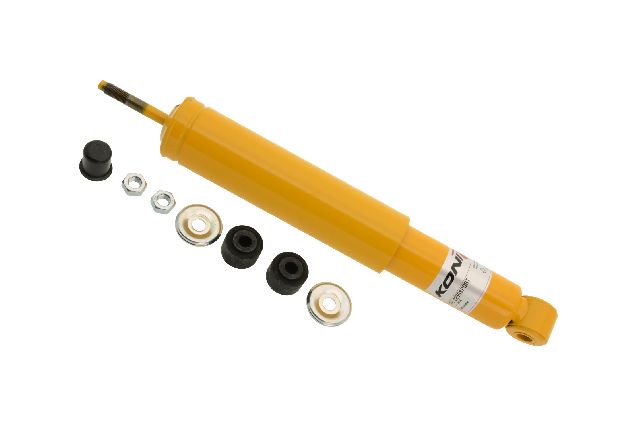
If you want to improve your Capri's handling for spirited driving, Koni is the top choice. Koni shocks are often adjustable, allowing you to fine-tune the stiffness for a perfect balance of comfort and performance. They are the most expensive option but are highly regarded by driving enthusiasts for their exceptional road-holding and control.
OEM-Style Replacement (KYB):
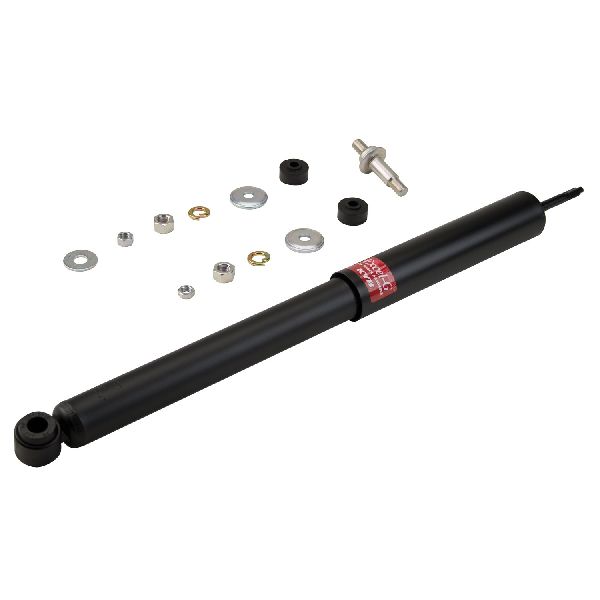
KYB is a well-respected brand that offers a good balance of quality and price, often considered an OEM-equivalent replacement. Their shocks, like the Excel-G series, provide a ride that is often slightly firmer than the original factory shocks but delivers consistent, reliable performance for daily driving. This is a solid, middle-of-the-road choice for most owners.
A Note on Ride Stiffness
Your Capri was originally designed with oil-filled shock absorbers. Most modern replacements, including KYB, are charged with nitrogen gas. This technology can make the ride feel firmer or stiffer than you remember. This isn't necessarily bad—it can improve handling—but it's something to be aware of if you're seeking the original, softer ride quality.
Budget Tier (FCS, PRT):
Brands like FCS and PRT offer the most affordable options. These are best considered as a short-term solution to pass an inspection or if you're on a tight budget. Some owners report issues with ride height, longevity, and overall quality. While they will be an improvement over completely worn-out shocks, they may not last as long or perform as well as higher-priced alternatives.
Estimated Costs for Replacement
| Part Type | Estimated Cost |
|---|---|
| New Aftermarket Shocks/Struts | $29.99 - $207.41 (per part) |
| Shop Labor (Rear Shocks) | $100 - $200 |
| Shop Labor (Front Struts) | $250 - $450 |
Frequently Asked Questions
What's the difference between a strut and a shock?
A shock absorber simply dampens suspension movement. A strut, like on the front of your Capri, is a structural part of the suspension that also supports the vehicle's weight. Your car uses both: struts in the front and shocks in the rear.
Should I replace all four at once?
It is highly recommended to replace shocks and struts in pairs (both fronts or both rears) to ensure even handling and stability. Replacing all four at the same time will provide the best overall result and restore the car's original handling characteristics.
Are expensive shocks worth it for my classic Capri?
It depends on your goal. If you use your Capri as a weekend cruiser and want a reliable ride, a quality mid-range brand like KYB is an excellent value. If you enjoy performance driving and want to improve cornering, the added cost of Koni shocks can be a worthwhile investment for the enhanced control and adjustability.
Can I replace these parts myself?
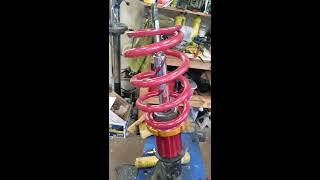
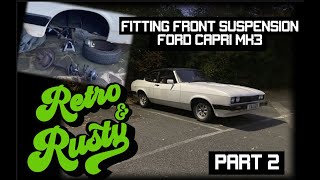
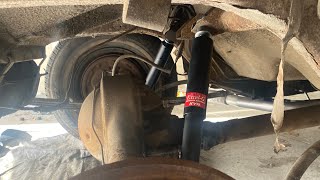
Yes, this is a DIY-feasible job for someone with mechanical experience. The rear shocks are quite simple, typically involving just two bolts. 🎬 Watch: How to replace shocks on your classic car. The front struts are more complex and may require a spring compressor, which can be dangerous 🎬 Watch: A step-by-step guide to fitting Capri suspension struts. if not used properly. Always use jack stands and follow proper safety procedures.
Helpful Videos

Technical Specifications
The 1971-1978 Mercury Capri is equipped with a front MacPherson strut suspension and a rear leaf-spring suspension with tube-style shock absorbers.
We Have This Part in Stock


The information in this article is provided for general reference and educational purposes only. Vehicle specifications, procedures, and part compatibility can vary by production date, trim level, and region. Always consult your vehicle's factory service manual and verify part numbers before purchasing or performing repairs. Safety-critical components such as airbags, seat belts, and braking systems should be installed by a qualified professional.
- 🎬 Helpful Videos
- 🛍️ Shop This Part
- Is Your Capri's Ride Not What It Used to Be?
- Symptoms of Failing Shocks and Struts
- No Recalls or TSBs Found
- Choosing the Right Aftermarket Shocks & Struts
- Brand Tiers for Your Capri
- A Note on Ride Stiffness
- Estimated Costs for Replacement
- Frequently Asked Questions
- 🎟️ Get 5% Off