

A Guide to Engine Mounts for the 1971-1979 Chevrolet Caprice
Eliminate excessive engine vibration and secure your classic Caprice's V8 or inline-6 with the right new motor mounts.
- Symptoms of failure include heavy vibration, clunking noises, and visible engine movement.
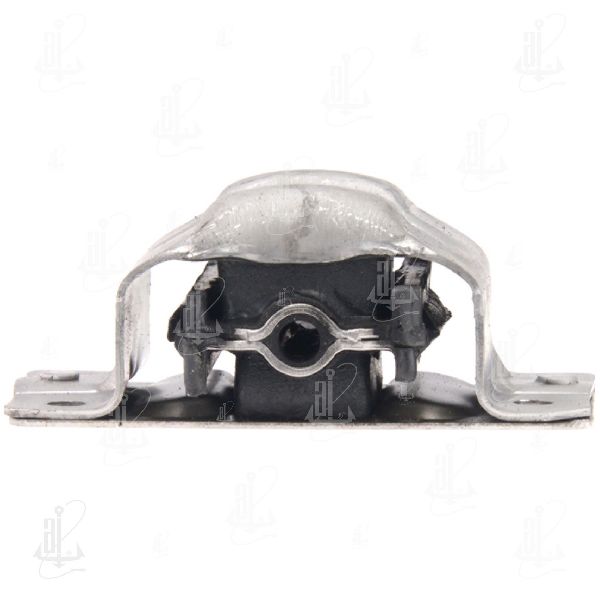
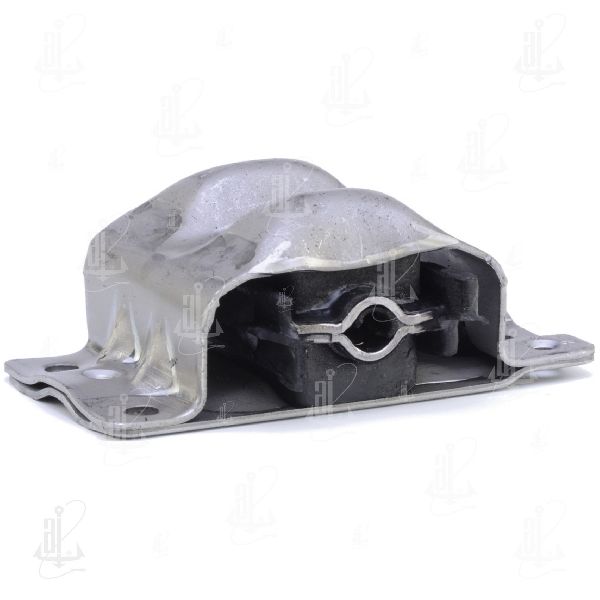
- Visually inspect your current mounts to determine if you have the early style (1971) or the clamshell style (1972-1979) before ordering.
- Choose standard rubber mounts (Anchor, DEA) for a quiet, factory-like ride or performance mounts (Energy Suspension, Lakewood) for durability at the cost of more vibration.
- Always replace engine mounts in pairs to ensure even support and prevent premature wear.
Signs of a Failing Engine Mount
When the engine mounts on your Caprice wear out, the signs are hard to ignore. The rubber that absorbs vibrations cracks and collapses, and the engine is no longer held securely. Here are the most common symptoms:
- Excessive Vibration: You'll feel a noticeable increase in vibration through the steering wheel, floor, and seats, especially when the car is idling in gear.
- Clunking or Banging Noises: Loud clunks or thumps from the engine bay are common when you accelerate, decelerate, or shift from drive to reverse. This is the sound of the engine moving excessively and hitting other components.
- Visible Engine Movement: A clear sign of a bad mount is seeing the engine physically lift or rock when an assistant briefly revs the engine while the car is in park with the brake on.
A Note on a Historical Recall
In December 1971, General Motors issued a massive recall for 6.7 million vehicles, including Chevrolet models from 1965-1970 with V8 engines, due to defective engine mounts. The original design could fail, allowing the engine to lift enough to pull the throttle linkage, causing unintended acceleration. While this recall officially stops at the 1970 model year, owners of 1971 models should be aware of this potential issue. The fix at the time often involved installing a safety cable to restrain the engine rather than replacing the mount. Most modern replacement mounts feature an interlocking design to prevent this type of failure.
Choosing the Right Aftermarket Mount
Since Original Equipment Manufacturer (OEM) parts for this classic vehicle are no longer produced, you will be choosing from aftermarket brands. These fall into two main categories: standard rubber replacements and performance polyurethane or heavy-duty mounts.
Standard Replacement Mounts (Good)
Brands like Anchor, DEA, and Westar offer direct, OE-style replacements. They use a rubber compound designed to mimic the original factory ride, prioritizing vibration absorption for a smooth, quiet cabin. These are the most affordable option and are perfectly suitable for daily drivers and restorations aiming for factory comfort. Forum discussions show mixed reviews on longevity for these brands on various cars, but they serve as a cost-effective solution.
Performance & Heavy-Duty Mounts (Better/Best)
For owners seeking increased durability, especially with a modified or high-horsepower engine, performance mounts are the best choice.
- Energy Suspension: This brand specializes in polyurethane mounts. Polyurethane is a much tougher material than rubber, resistant to engine fluids and road grime. It significantly reduces engine movement, improving throttle response. The trade-off is a noticeable increase in engine vibration felt inside the car.
- Lakewood / Quick Time: These brands offer heavy-duty mounts made with high-durometer rubber and reinforced steel. They often feature a safety interlock design that prevents total separation even if the rubber fails, providing a middle ground between the soft feel of standard rubber and the harshness of polyurethane.
Important: Check Your Mount Style
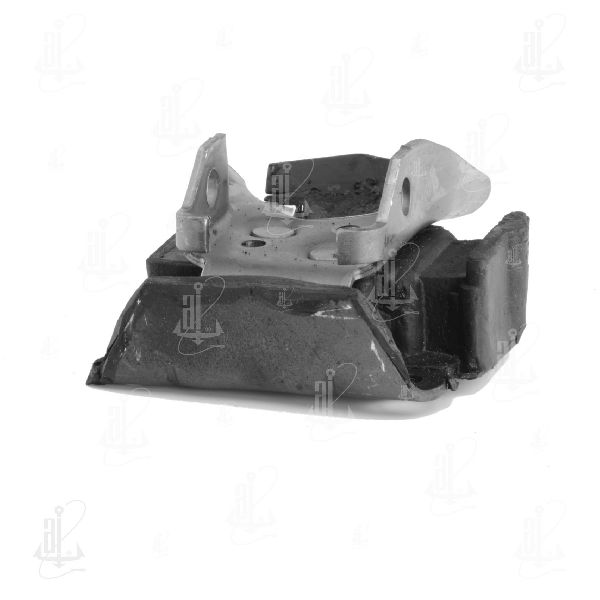
GM began phasing in the "clamshell" style engine mount in 1972, replacing the older "short and wide" or "tall and narrow" styles used in 1971 and prior years. It is critical to visually inspect your Caprice's existing mounts before ordering to ensure you purchase the correct design for your specific model year.
Aftermarket Engine Mount Cost for 1971-1979 Chevrolet Caprice
| Mount Type | Estimated Price Range (Per Mount) |
|---|---|
| Standard Replacement (Anchor, DEA, Westar) | $20 - $40 |
| Performance Polyurethane (Energy Suspension) | $45 - $65 |
| Heavy-Duty Rubber (Lakewood) | $40 - $60 |
Frequently Asked Questions
How many engine mounts does my Caprice have?
A 1971-1979 Caprice typically has two engine mounts (one on each side of the engine) and one transmission mount at the rear of the transmission. It is highly recommended to inspect the transmission mount when replacing the engine mounts, as it is subjected to similar stress.
Should I replace engine mounts in pairs?
Yes. It is always best practice to replace both engine mounts at the same time. If one has failed due to age and wear, the other is likely not far behind. Replacing only one puts extra stress on the remaining old mount and the new mount, potentially causing premature failure.
What is the difference between rubber and polyurethane mounts?
Rubber mounts provide the best vibration absorption, resulting in a smoother and quieter ride. Polyurethane mounts are much more durable and stiff, which improves throttle response by limiting engine movement but also transmits more engine vibration into the car's cabin.
Are the left and right side mounts the same?
On many GM vehicles of this era, the left and right engine mounts are identical and can be used on either side. However, always check the part description before purchasing, as some applications may have specific left and right mounts.
Technical Specifications
The primary specification is the mount style. 1971 models may use the 'early' style mount, while 1972-1979 models use the 'clamshell' style mount. Material is the other key factor, with choices between standard rubber and performance polyurethane.
We Have This Part in Stock


The information in this article is provided for general reference and educational purposes only. Vehicle specifications, procedures, and part compatibility can vary by production date, trim level, and region. Always consult your vehicle's factory service manual and verify part numbers before purchasing or performing repairs. Safety-critical components such as airbags, seat belts, and braking systems should be installed by a qualified professional.
- 🛍️ Shop This Part
- Signs of a Failing Engine Mount
- A Note on a Historical Recall
- Choosing the Right Aftermarket Mount
- Standard Replacement Mounts (Good)
- Performance & Heavy-Duty Mounts (Better/Best)
- Important: Check Your Mount Style
- Aftermarket Engine Mount Cost for 1971-1979 Chevrolet Caprice
- Frequently Asked Questions
- 🎟️ Get 5% Off