

Ford Bronco Suspension Ball Joint Guide (1971-1979)
Everything you need to know before replacing the ball joints on your classic solid-axle Bronco.
- Worn ball joints are a serious safety issue; replace them if you notice clunking, steering wander, or uneven tire wear.
- For this Bronco, you must buy aftermarket. Choose a premium brand like Dana Spicer or Mevotech TTX for heavy use, or a standard brand like ACDelco Professional for daily driving.
- This is a difficult DIY job requiring special tools like a ball joint press. Professional installation is recommended for most owners.
- A professional wheel alignment is required immediately after replacing ball joints to prevent tire damage and ensure proper handling.
Is It Time for New Ball Joints?
The ball joints on the solid front axle of a 1971-1979 Bronco are tough, but they don't last forever. After decades of use, especially off-road, the internal parts wear down. This creates looseness, or "play," in the joint, which can cause serious problems. Ignoring worn ball joints is dangerous, as a complete failure can cause the suspension to separate, leading to a loss of steering control.
Key Failure Symptoms:
- Clunking or Popping Noises: You might hear a distinct clunk or pop from the front end, especially when turning or going over bumps. This is the sound of the worn joint moving around excessively.
- Sloppy or Vague Steering: If your Bronco wanders on the road or the steering feels disconnected and loose, it's a classic sign of bad ball joints. You'll have to make constant corrections to keep it straight.
- Uneven Tire Wear: Worn ball joints throw off your wheel alignment. Look for accelerated wear on the inside or outside edges of your front tires.
- Vibration: A vibration felt in the steering wheel that isn't related to tire balance can be caused by loose ball joints.
Can You Drive with a Bad Ball Joint?
It is not recommended. A worn ball joint can fail completely and without warning. This would cause the wheel and suspension to collapse, making you lose control of the vehicle. If you suspect a bad ball joint, get it inspected immediately.
Choosing the Right Aftermarket Ball Joint
Since Original Equipment (OE) Ford parts for this era are virtually impossible to find new, the aftermarket is your only option. Fortunately, many brands offer quality replacements. They can generally be grouped into tiers based on quality, durability, and price.
Premium Heavy-Duty Brands (Best for Off-Road & Lifts)
These brands often engineer their parts to be stronger than the original, with features like hardened metal bearings, improved grease channels, and better seals. They are the top choice for Broncos that are lifted, see heavy off-road use, or are used for towing.
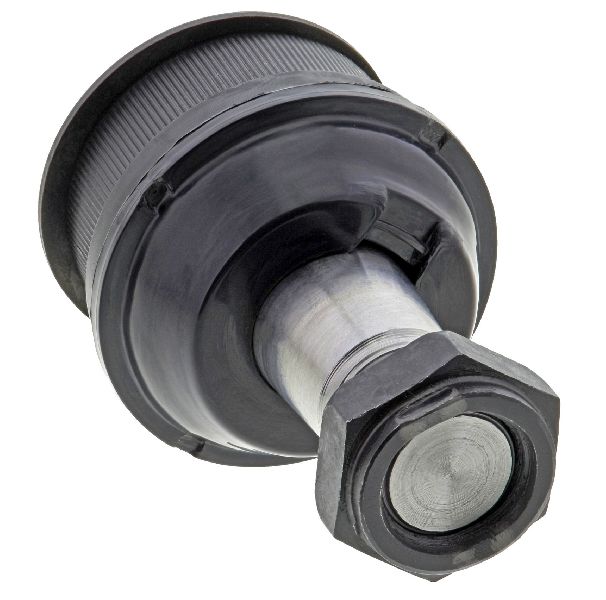
- Dana Spicer: As the original manufacturer of the Dana 44 axle, Spicer ball joints are considered a top-tier, OE-quality replacement. They are known for excellent fit and durability, though they may not always be greasable.
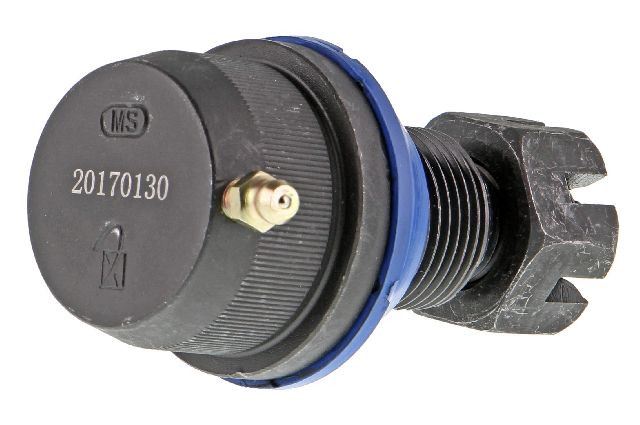
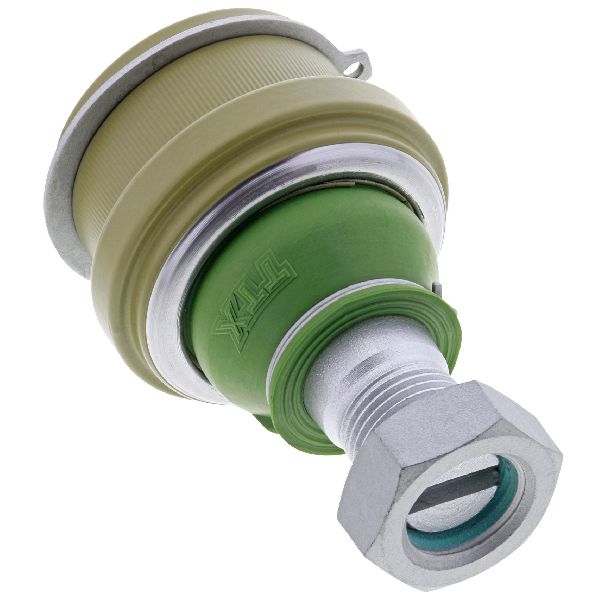
- Mevotech (TTX Line): The TTX "Terrain Tough" line is specifically designed for heavy-duty use, with beefier construction and improved internals. They are a popular choice for lifted and off-road trucks.
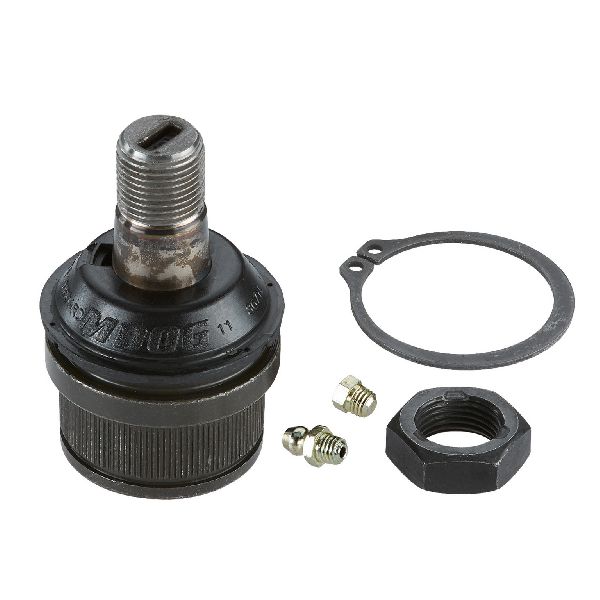
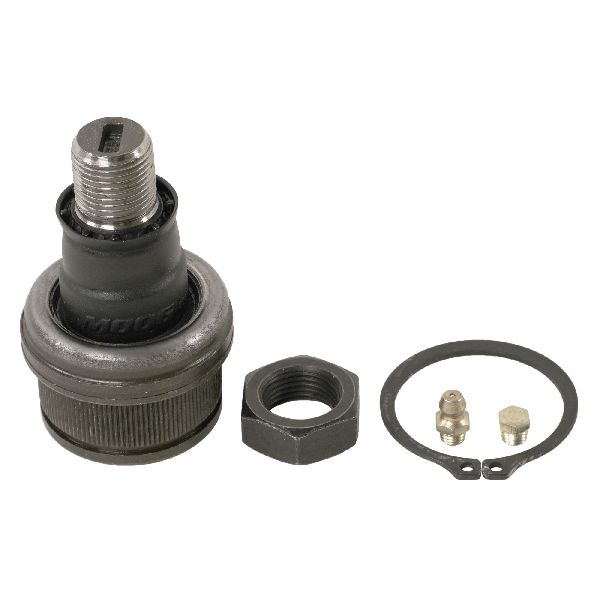
- Moog (Problem Solver Line): Historically a go-to for professional mechanics, Moog's Problem Solver series is known for innovative designs that improve on OE weaknesses. However, some users report a decline in quality consistency in recent years, so it's important to verify you are getting their premium line.
Standard Replacement Brands (Good for Daily Drivers)
These brands offer a great balance of quality and value for a stock or lightly modified Bronco that spends most of its time on the pavement.
- ACDelco (Professional Series): Often considered OE-equivalent for GM vehicles, their Professional line provides reliable quality for other makes as well. They are a solid choice for a daily-driven Bronco.
- Delphi: A major OE supplier, Delphi parts are known for their quality engineering and are a dependable choice for standard replacement.
- Mevotech (Supreme Line): A step down from the TTX line, the Supreme series offers near-OEM quality and is a good, reliable option.
Economy Brands (Budget-Friendly)
These brands are suitable for getting a truck back on the road on a tight budget, but may not offer the same longevity as premium options, especially under heavy use.
- Dorman: Dorman offers a huge range of parts and often makes problem-solving improvements. Quality can be hit-or-miss depending on the specific part line, but their Premium lines are generally considered decent.
- QuickSteer: Owned by the same parent company as Moog, QuickSteer is positioned as a budget-friendly option. They are best suited for light-duty use and may have a shorter lifespan.
Pro Tip: Greasable vs. Sealed Joints
Many aftermarket ball joints come with grease fittings (zerks), while the originals were likely sealed. Greasable joints can last longer IF they are maintained. You'll need to pump new grease into them with a grease gun at every oil change to push out old grease and contaminants. If you prefer a maintenance-free part, a high-quality sealed joint from a premium brand is a good alternative.
Aftermarket Suspension Ball Joint Cost (1971-1979 Ford Bronco)
| Part Type | Price Range (Per Side, Upper & Lower) |
|---|---|
| New Aftermarket (Economy) | $40 - $70 |
| New Aftermarket (Standard) | $70 - $110 |
| New Aftermarket (Premium/HD) | $110 - $160+ |
| Shop Labor & Alignment | $400 - $700 |
*Prices are estimates and can vary based on brand, location, and vehicle condition. The job requires a wheel alignment after completion.
Frequently Asked Questions
How many ball joints does my Bronco have?
Your 1971-1979 Bronco has four ball joints in the front suspension: one upper and one lower on each side (driver and passenger).
Do I need to replace all four ball joints at once?
It's highly recommended. If one ball joint is worn out, the others are likely not far behind. Replacing them all at once saves you from having to do the same labor-intensive job again soon. It also ensures your alignment will be correct.
Is replacing the ball joints a DIY job?
This is an advanced DIY job. It requires significant disassembly of the front axle, including the hubs, brakes, and axle shafts. You will need special tools, including a ball joint press (which can often be rented), a large socket for the upper ball joint sleeve, and snap ring pliers. If you are not an experienced mechanic, it's best to leave this job to a professional.
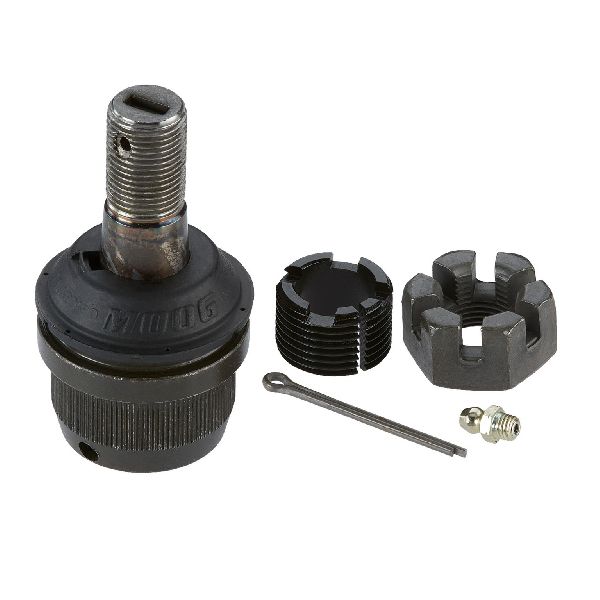
What is the adjustable sleeve on the upper ball joint?
The sleeve on the upper ball joint is used to set the camber and caster alignment angles. It's important to note its position during disassembly, but a professional wheel alignment is required after installation to set it correctly.
Technical Specifications
OEM Part Numbers: 706116X (Dana Spicer Set)
Fits Dana 44 solid front axle. Requires one upper and one lower ball joint per side.
We Have This Part in Stock

The information in this article is provided for general reference and educational purposes only. Vehicle specifications, procedures, and part compatibility can vary by production date, trim level, and region. Always consult your vehicle's factory service manual and verify part numbers before purchasing or performing repairs. Safety-critical components such as airbags, seat belts, and braking systems should be installed by a qualified professional.
- 🛍️ Shop This Part
- Is It Time for New Ball Joints?
- Key Failure Symptoms:
- Can You Drive with a Bad Ball Joint?
- Choosing the Right Aftermarket Ball Joint
- Premium Heavy-Duty Brands (Best for Off-Road & Lifts)
- Standard Replacement Brands (Good for Daily Drivers)
- Economy Brands (Budget-Friendly)
- Pro Tip: Greasable vs. Sealed Joints
- Aftermarket Suspension Ball Joint Cost (1971-1979 Ford Bronco)
- Frequently Asked Questions
- 🎟️ Get 5% Off