

Choosing the Right Aftermarket Alternator for Your 1971-1979 Toyota Celica
Keep your classic Celica's electrical system running strong by understanding your new alternator options.
- Verify if your Celica needs an externally or internally regulated alternator before purchasing.
- Symptoms include dim lights, a battery warning light, a frequently dead battery, and whining noises.
- A new aftermarket alternator from a reputable brand like ACDelco or Remy is a reliable choice for this classic car.
- Replacement is a DIY-friendly job for those with basic mechanical skills and tools.
Is Your Celica's Alternator Failing?

The electrical system in a first-generation Celica is simple, but a bad alternator can still leave you stranded. Watch for these common symptoms that point to a failing unit:
🎬 Watch: A visual guide to common alternator failure symptoms.- Dim or Flickering Lights: Your headlights and dashboard lights may appear dim, flicker, or get brighter as you rev the engine. This is a classic sign the alternator isn't producing consistent power.
- "ALT" or Battery Warning Light: A warning light on your dash is a direct signal of a charging system problem. On these older models, it might only come on when you're using multiple accessories.
- Weak or Dead Battery: A new battery that keeps dying is often a symptom of a bad alternator that isn't recharging it properly. If the car starts with a jump but dies soon after, the alternator is the likely culprit.
- Whining or Grinding Noises: A high-pitched whine or a grinding sound from the engine bay can indicate failing bearings inside the alternator.
- Burning Smell: A smell like burning rubber or hot wires can be caused by a slipping alternator belt or an overheating alternator.
OEM vs. Aftermarket Alternators for a Classic Celica

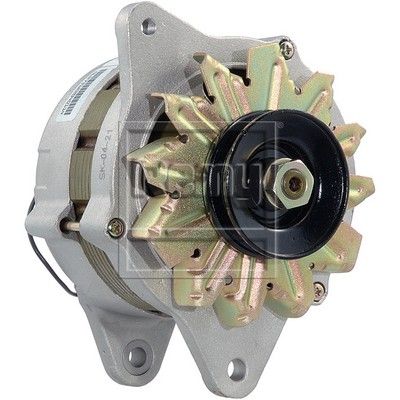
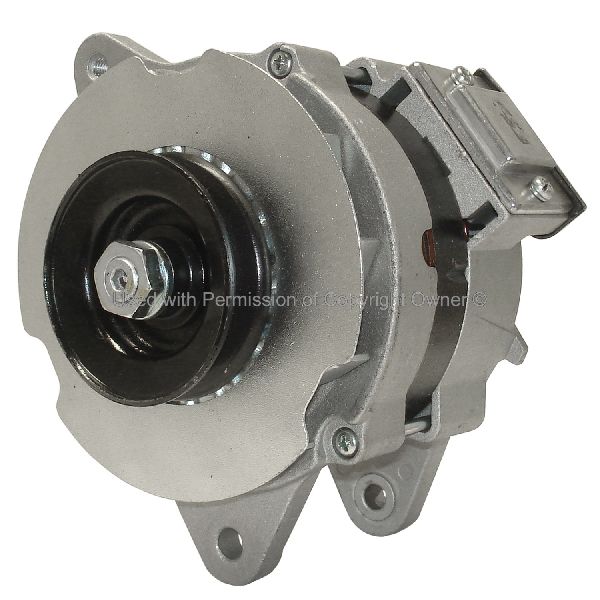
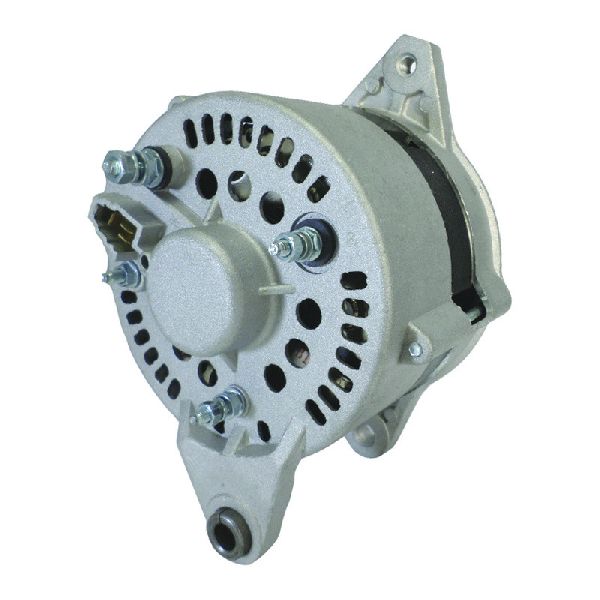
Finding a brand-new, original equipment (OEM) alternator from Toyota for a car from this era is nearly impossible. Most available parts will be either remanufactured OEM units or new aftermarket parts. For a classic vehicle like the 1971-1979 Celica, a new aftermarket alternator is often the most practical and reliable choice. Aftermarket brands produce new units that meet or exceed original specifications without the uncertainty that can come with a remanufactured part of unknown history.
Externally vs. Internally Regulated
A critical detail for this Celica generation is whether your alternator is externally or internally regulated. Early models often used an external voltage regulator (a separate part mounted in the engine bay), while later models switched to an internal regulator built into the alternator itself. You MUST order the correct type for your specific year and model, or the charging system will not work. Check your existing setup before buying; an externally regulated alternator will have a terminal marked "F".
Choosing the Right Aftermarket Brand

When shopping for a new alternator, you'll encounter several brands. While brand loyalty can be a factor, quality and reliability are most important for a critical part like this. Based on general reputation in the auto repair community, here's how the available brands stack up:
- ACDelco: While strongly associated with GM vehicles, ACDelco produces parts for many makes and is generally considered a reliable, good-quality brand.
- Remy: Formerly Delco-Remy, this brand has a long history in automotive electrical parts and is respected for quality and reliability.
- WAI Global: A U.S.-based company that manufactures a wide range of new electrical components, including complete alternators, and is a known option in the aftermarket.
- MPA (Motorcar Parts of America): This brand is a major supplier of aftermarket and remanufactured parts. Quality can be comparable to other major aftermarket brands.
For a classic car, any of these new units should provide reliable service. Choosing between them often comes down to warranty, price, and availability.
| Part Type | Estimated Price Range |
|---|---|
| New Aftermarket Alternator | $58.42 - $178.68 |
Frequently Asked Questions

Can I install a higher-amperage alternator?
Yes, but it requires care. Stock alternators for this era were often low-output, around 40-60 amps. Upgrading to a higher-amp unit is possible, especially if you've added modern electronics like a powerful stereo. However, you must also upgrade the main charging wire ("B" wire) to handle the extra current safely. Failing to do so can create a fire hazard.
How do I test my alternator?
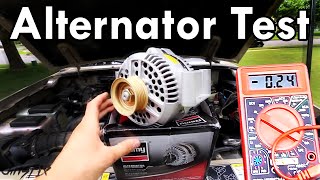
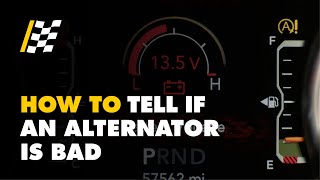
The easiest way is with a multimeter. With the engine off, a healthy battery should read between 12.6 and 12.8 volts. Start the engine; the voltage should jump to between 14.1 and 14.7 volts. If the voltage stays below 13.7V or doesn't increase when the engine is running, the alternator is likely failing.
🎬 See how to test your alternator using a multimeter.Are there any recalls for the 1971-1979 Celica alternator?
A search of the NHTSA database shows no open or recent safety recalls for the alternator on 1971-1979 Toyota Celica models. Any original campaigns would be long expired.
Is replacing the alternator a difficult job on my Celica?
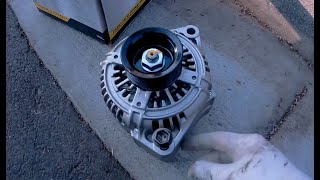
No, on these older cars, it's a relatively straightforward job. The alternator is usually mounted in an accessible location on the engine. The process involves disconnecting the battery, loosening the belt tensioner, removing a couple of bolts and electrical connectors, and then swapping the unit. It is considered a feasible DIY task 🎬 Watch this walkthrough of a classic Toyota alternator replacement. for someone with basic tools.
Helpful Videos
Technical Specifications
OEM Part Numbers: 27020-60040
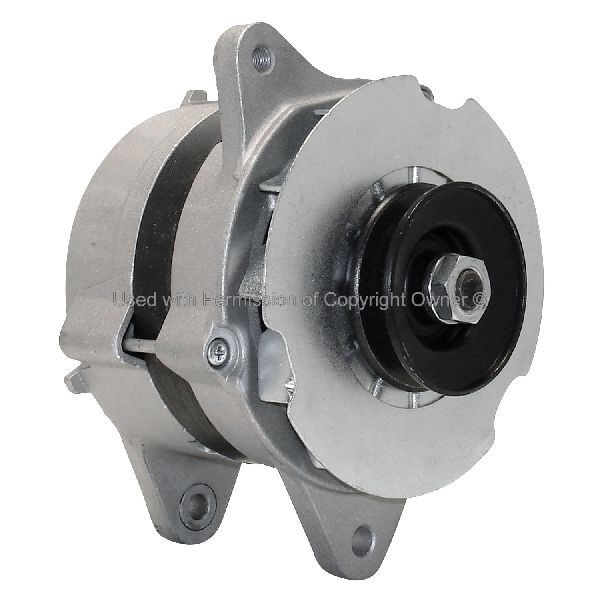
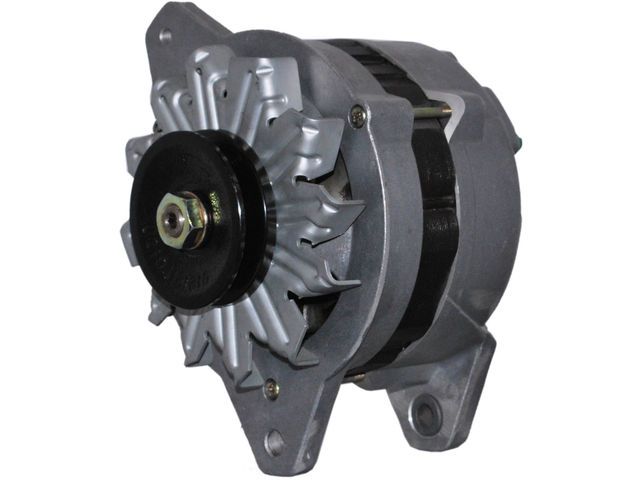
Voltage: 12V, Amperage: 40-60A (varies by model year and engine), Pulley: Single V-Belt, Regulation: External or Internal (varies by model year)
We Have This Part in Stock

The information in this article is provided for general reference and educational purposes only. Vehicle specifications, procedures, and part compatibility can vary by production date, trim level, and region. Always consult your vehicle's factory service manual and verify part numbers before purchasing or performing repairs. Safety-critical components such as airbags, seat belts, and braking systems should be installed by a qualified professional.