

Ford Pinto Alternator Replacement and Upgrade Guide: 1971-1980
Keep your classic Pinto running strong by understanding how to choose the right new alternator.
- Before replacing the alternator, always check the external voltage regulator and wiring first, as they are common, cheaper failure points.
- For a stock Pinto, a standard 55-70 amp new aftermarket alternator is a reliable and affordable choice.
- If you have added electrical accessories, upgrade to a higher-output alternator (90A+) to meet the demand.
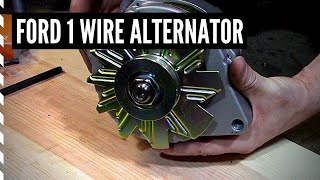
- Be aware if you are buying a "one-wire" alternator, as it requires bypassing the factory external voltage regulator.
Is Your Pinto's Alternator Failing?
The electrical system on a 1971-1980 Ford Pinto is simple and durable, but alternators do wear out. Because these cars are now classics, the original alternator has likely been replaced at least once. If you're experiencing electrical gremlins, a failing alternator is a common cause. Watch for these signs:
- Dimming Headlights: Your lights may flicker or grow dim, especially at idle.
- Weak or Dead Battery: The alternator isn't recharging the battery, so the car may be hard to start or won't start at all.
- "ALT" or "GEN" Warning Light: If your dashboard has a battery or alternator warning light, it will illuminate if the system isn't charging correctly.
- Whining or Grinding Noises: A loud whining or grinding sound from the engine bay can indicate failing bearings inside the alternator.
- Slow Accessories: Your power windows (if equipped) or windshield wipers might operate slower than usual.
Pro Tip: Check Your Grounds and Regulator First
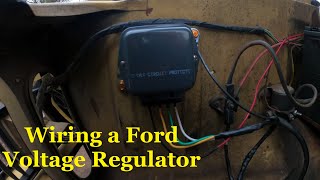
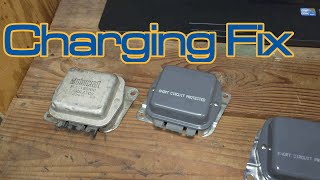
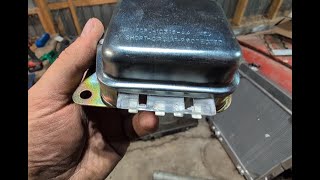
Before you replace the alternator, check two other common trouble spots. The Ford Pinto uses an external voltage regulator, which is a small box that controls the alternator's output. These can fail and are inexpensive to replace. Also, check the engine ground straps and the main wire from the alternator to the battery. A loose or corroded connection can prevent the system from charging and mimic a bad alternator.
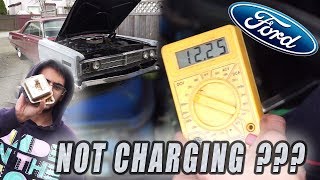
🎬 Watch: How to test your external regulator vs the alternatorChoosing the Right New Aftermarket Alternator
For a vehicle like the Pinto, finding a new OEM Motorcraft part is nearly impossible. New aftermarket alternators are the standard choice, offering modern reliability and excellent value. They are built with 100% new components, which avoids the quality issues sometimes seen with remanufactured parts. Here’s a breakdown of common brands:
Performance & High-Quality Options
- Remy: A well-known brand that supplies both aftermarket and some original equipment manufacturers. New Remy alternators are generally considered a reliable, high-quality choice for a stock or lightly modified Pinto.
- Proform: Often aimed at the performance market, Proform offers high-output alternators (e.g., 100 amps). These are a great choice if you have added electrical accessories like a powerful stereo, electric fans, or extra lighting. Be aware that some are "one-wire" models that require wiring modifications.
Standard Replacement Options
- BBB Industries: A massive aftermarket manufacturer that produces new and remanufactured parts. Their new alternators are a solid, dependable choice for a daily driver and are widely available.
- MPA (Motorcar Parts of America): MPA is another large North American company that manufactures parts under brands like Quality-Built. They focus on rigorous testing to ensure their parts meet or exceed original specifications.
Economy Options
- USA Industries: This brand typically offers a more budget-friendly price point. While they can be a good value, they are generally considered an economy-tier part.
Warning: One-Wire vs. Externally Regulated
Many performance alternators (like some from Proform) are "one-wire" units with an internal regulator. Installing one of these on your Pinto requires you to bypass and remove the original external voltage regulator. This simplifies wiring but is a modification you should be prepared for. 🎬 See this guide on installing and clocking one-wire alternators If you want a direct, plug-in replacement, be sure to buy an alternator designed for use with the factory external regulator.
Cost to Replace a Ford Pinto Alternator
| Part Type | Estimated Cost |
|---|---|
| New Aftermarket Alternator | $45 - $125 |
| Shop Labor | $100 - $250 |
| Total Estimated Cost | $145 - $375 |
Frequently Asked Questions
How difficult is it to replace the alternator on a Pinto?
It is a very easy job. The alternator is typically located at the top front of the engine and is easy to access. With basic hand tools (wrenches, sockets), most DIY mechanics can complete the job in about an hour. The process involves disconnecting the battery, loosening the belt, removing a few bolts and wires, and then installing the new unit.
What amperage alternator do I need?
For a stock Pinto with no extra electronics, a standard replacement alternator (typically 55-70 amps) is perfectly fine. If you have added or plan to add an electric cooling fan, a high-power stereo, or other accessories, upgrading to a higher-output alternator (90-100 amps) is a good idea to handle the extra load.
Should I replace the voltage regulator at the same time?
Yes, it's a good idea. The external voltage regulator is a known failure point on older Fords and is inexpensive. Replacing it along with the alternator ensures your entire charging system is refreshed and reliable.
🎬 Watch: Fixing a 1973 Pinto charging system with stock partsWhat is a "one-wire" alternator?
A one-wire alternator has a built-in voltage regulator. It gets its name because it only requires one main wire connected to the battery to function. This simplifies wiring but is different from the Pinto's original externally regulated setup and requires modification to install correctly.
Helpful Videos
Technical Specifications
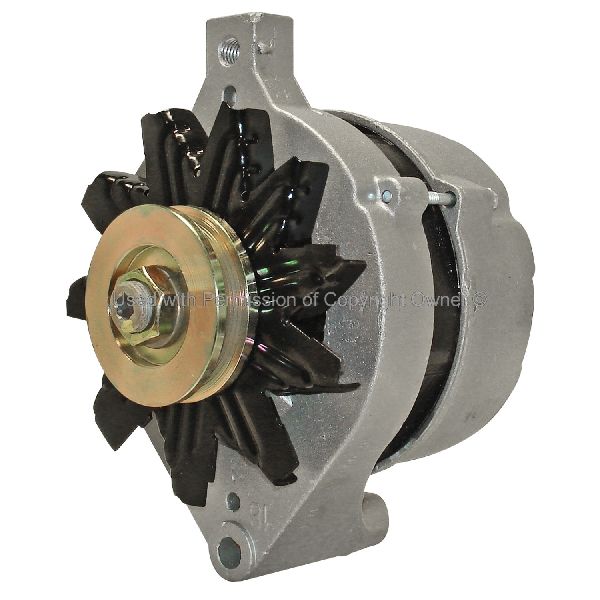
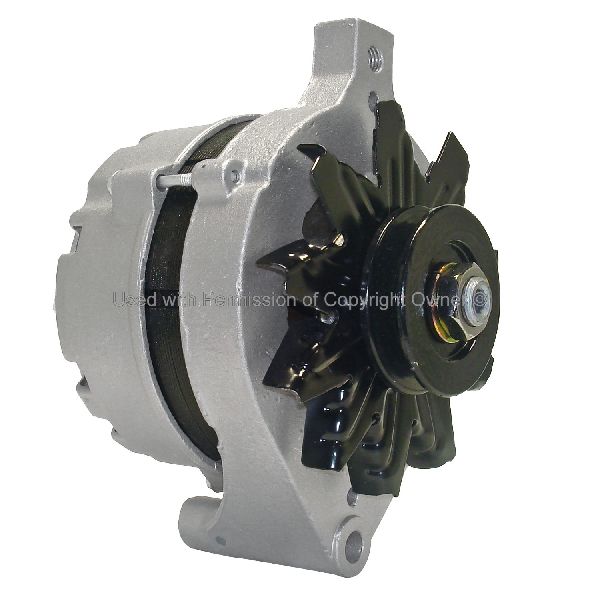
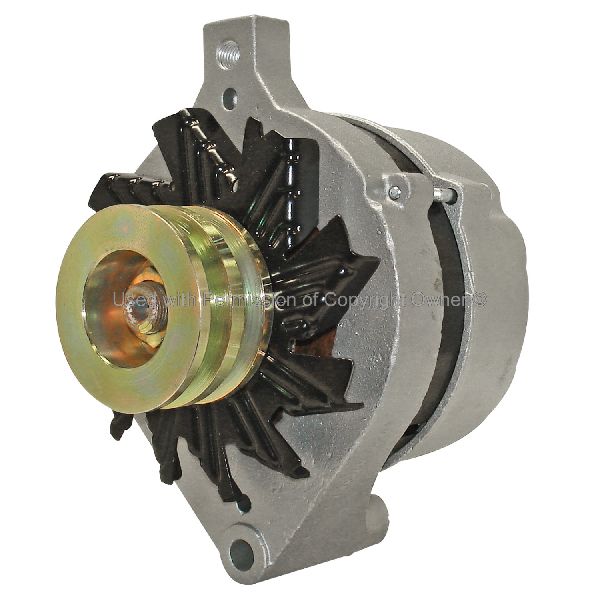
System uses an external voltage regulator (unless a one-wire alternator is installed). Aftermarket amperage ratings typically range from 55A to over 100A. Pulley type is a single V-belt.
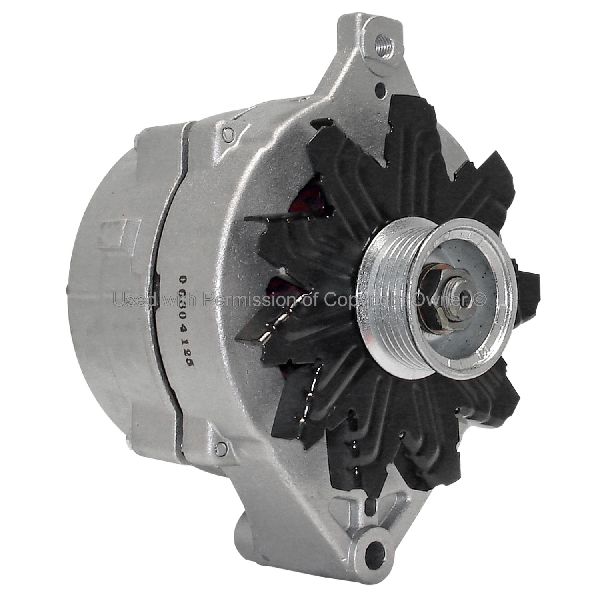
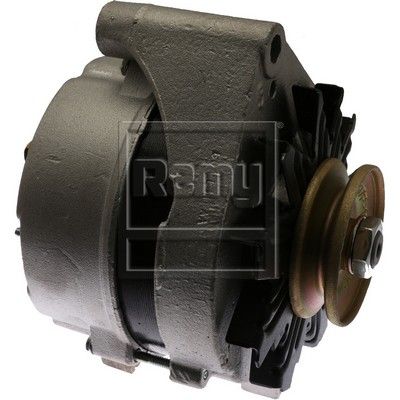
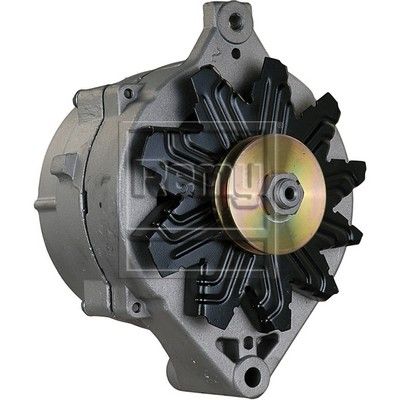
We Have This Part in Stock

The information in this article is provided for general reference and educational purposes only. Vehicle specifications, procedures, and part compatibility can vary by production date, trim level, and region. Always consult your vehicle's factory service manual and verify part numbers before purchasing or performing repairs. Safety-critical components such as airbags, seat belts, and braking systems should be installed by a qualified professional.
- 🎬 Helpful Videos
- 🛍️ Shop This Part
- Is Your Pinto's Alternator Failing?
- Pro Tip: Check Your Grounds and Regulator First
- Choosing the Right New Aftermarket Alternator
- Performance & High-Quality Options
- Standard Replacement Options
- Economy Options
- Warning: One-Wire vs. Externally Regulated
- Cost to Replace a Ford Pinto Alternator
- Frequently Asked Questions
- 🎟️ Get 5% Off