

Ford Pinto 1971-1980 Horn Replacement and Troubleshooting Guide
If your Pinto's horn has gone silent, the fix might be simpler and cheaper than you think.
- Horn failure on a Pinto is often caused by simple electrical issues like a fuse, relay, or bad ground, not the horn itself.
- Your Pinto may have two horns (high and low note); check which one you need or replace them as a pair for the correct sound.
- Test the horn directly with a 12V source (like the car battery) before buying a new one to confirm it's the part that has failed.
- Standard Ignition is a known aftermarket brand, while 'Replacement' brands are a budget option.
Is Your Ford Pinto Horn Failing?
A non-working horn is a common issue on vintage vehicles like the Ford Pinto. Due to the car's age, the problem isn't always the horn itself. Wiring, electrical contacts, and other simple components are frequent culprits. Before buying a new part, a little troubleshooting can save you time and money.
🎬 Watch this guide on diagnosing and repairing classic horn systems.Symptoms of a Failing Horn System
- No Sound: The most obvious symptom. Pressing the horn button does nothing at all. This could be a bad horn, fuse, relay, or wiring.
- Weak or "Tinny" Sound: If the horn sounds quiet, sick, or higher-pitched than usual, it could indicate a failing horn unit, a poor electrical ground, or low voltage reaching the horn. Some aftermarket horns may also have a different tone than the original.
- Horn Won't Turn Off: A stuck horn is often caused by a short in the horn button or a faulty relay.
- Clicking Sound from Dash or Engine Bay: If you hear a click when you press the horn button but get no sound, it often means the horn relay is working, but the problem lies with the wiring to the horn or the horn unit itself.
First, Check the Simple Stuff
On a 1971-1980 Pinto, electrical issues are common. Before replacing the horn, check these components:
- The Fuse: Locate the fuse box and check the horn fuse. A blown fuse is a cheap and easy fix.
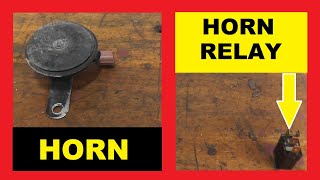
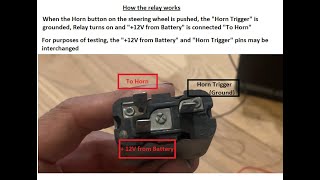
- The Horn Relay: Some classic Fords of this era did not come with a horn relay from the factory, while others did. If present, it's often a small cube-shaped part in the engine bay. A faulty relay is a common point of failure. 🎬 See how to test a classic Ford 3-pin horn relay.
- Wiring and Grounds: Inspect the wires leading to the horn for corrosion or breaks. Ensure the horn's mounting point is clean and free of rust, as it often serves as the electrical ground.
- The Horn Button: The contacts inside the steering wheel's horn button can wear out or become dirty over time. 🎬 Watch a mechanic repair horn issues on a classic Ford.
Choosing the Right Aftermarket Horn
New Original Equipment (OEM) horns for the Pinto are no longer produced. The market now consists of aftermarket replacements.
High Note vs. Low Note: Many cars, including Fords from this era, used two horns—one with a high tone and one with a low tone—to create a full, loud sound. If your Pinto only has one, or you are replacing just one, you'll need to decide which tone to buy. If you are replacing both, it's best to buy a matched high and low-note set.
Available Brand Tiers
- Standard Ignition: A well-known aftermarket manufacturer that produces parts designed to meet original specifications. Their horns are generally considered reliable replacements. Some universal-fit models may have a different sound profile than the original factory horn, which is something to be aware of.
- Replacement: This is a common term for generic or store-brand parts. They are a budget-friendly option that will get the job done, but may vary in quality and longevity compared to a branded part.
| Brand Tier | Estimated Price Range |
|---|---|
| Standard Ignition / Premium Aftermarket | $50.00 - $77.37 |
| Replacement (Generic) | $36.29 - $49.99 |
Pro Tip: To test if your horn unit is truly dead, you can run temporary jumper wires directly from the car battery to the horn's terminals. If it honks, the problem is in your car's wiring, relay, or switch, not the horn itself.
Frequently Asked Questions (FAQ)
Where is the horn located on a 1971-1980 Ford Pinto?
The horn or horns are typically located at the front of the vehicle, behind the grille or mounted to the radiator support. This position allows the sound to travel forward with minimal obstruction.
Why doesn't my new horn work after installation?
If a new horn doesn't work, the original problem was likely not the horn itself. The most common causes are a blown fuse, a bad horn relay, a faulty horn switch in the steering wheel, or corroded wiring and ground connections. Re-check these parts of the circuit.
Do I need a high-note or low-note horn?
Many Pintos originally came with two horns to create a louder, more robust sound. If you are only replacing one, listen to the working one to determine if it's the high or low tone. If you are replacing a single-horn system or both horns, you can choose either, but using both a high and low note horn together will produce the standard, full car horn sound.
Is replacing the horn on a Pinto a difficult job?
No, replacing the horn unit itself is typically very easy. It usually involves unplugging one electrical connector and removing one or two bolts. The most difficult part of the job is often diagnosing the problem to ensure you are replacing the correct part.
Helpful Videos
Technical Specifications
Voltage: 12V. Note: High or Low Tone.
We Have This Part in Stock


The information in this article is provided for general reference and educational purposes only. Vehicle specifications, procedures, and part compatibility can vary by production date, trim level, and region. Always consult your vehicle's factory service manual and verify part numbers before purchasing or performing repairs. Safety-critical components such as airbags, seat belts, and braking systems should be installed by a qualified professional.