

A Guide to Choosing Spark Plugs for Your 1971-1980 Ford Pinto
Keep your Pinto's classic engine running smoothly with the right set of new spark plugs.
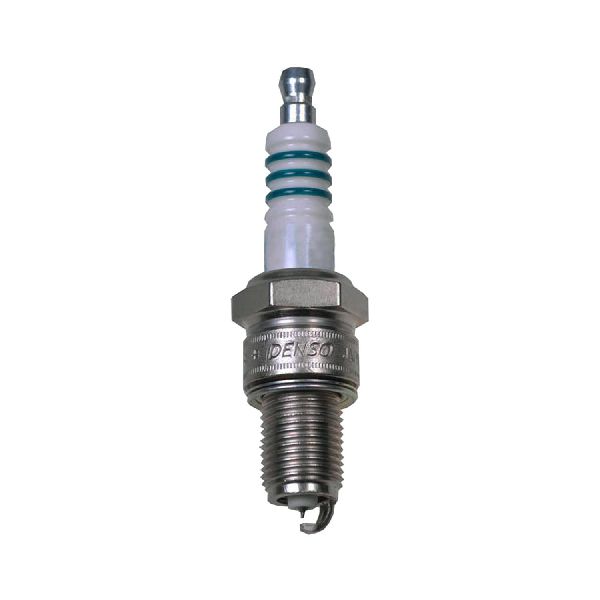
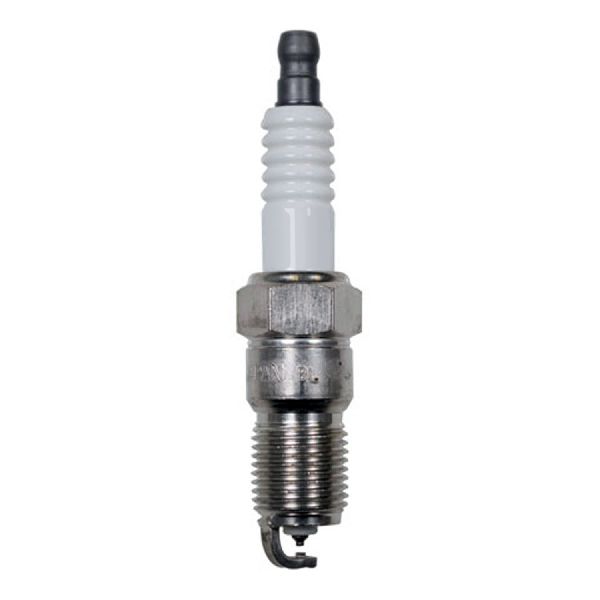
- Stick to standard copper core spark plugs from brands like Motorcraft, Autolite, or NGK for the best performance.
- Do not waste money on expensive iridium or platinum plugs; they are not necessary for the Pinto's ignition system.
- Always check and set the spark plug gap to between 0.032" and 0.035" before installation.
- Replacing spark plugs is a very easy and inexpensive DIY job that can be done in under an hour.
Symptoms of Failing Spark Plugs in a Ford Pinto
When your spark plugs wear out, the spark they create becomes weak. This can cause several noticeable problems. You might feel the engine shake or run unevenly at idle. 🎬 Watch: How to fix a rough idle in 15 minutes. Your car may hesitate or feel sluggish when you accelerate. Other signs include difficulty starting the engine, reduced fuel economy, and a general loss of power. In some cases, you may hear a popping or backfiring sound from the engine.
Choosing the Right Aftermarket Spark Plug
Your Pinto's engine was designed in a different era. It doesn't need fancy or expensive spark plugs to run well. The original ignition system works best with the type of plugs it was designed for.
Spark Plug Material: Stick with Copper
Modern spark plugs come in materials like platinum and iridium, which are advertised to last longer. However, for the 1971-1980 Ford Pinto, these are generally a waste of money and may not perform as well as the original type. The best choice is a standard copper core spark plug. They provide a strong spark for your Pinto's ignition system and are very affordable.
Aftermarket Brand Quality
You don't need to hunt down an original Ford part for a simple item like a spark plug. Many aftermarket brands offer excellent quality that meets or exceeds the original specifications.
- OEM-Equivalent Brands: Motorcraft is Ford's own brand and was the original equipment for your Pinto. They are a trusted, reliable choice. Autolite is another excellent brand that has been making plugs for Ford engines for decades and is a dependable option for a standard copper plug.
- Quality Aftermarket: NGK and Champion are highly regarded brands for the Pinto engine. Forum members and mechanics often recommend NGK as a top choice for quality and performance. Champion is another period-correct brand that works well.
- Performance Brands: Brands like MSD or E3 offer plugs aimed at high-performance applications. For a stock or lightly modified Pinto, these are not necessary.
Check the Spark Plug Gap
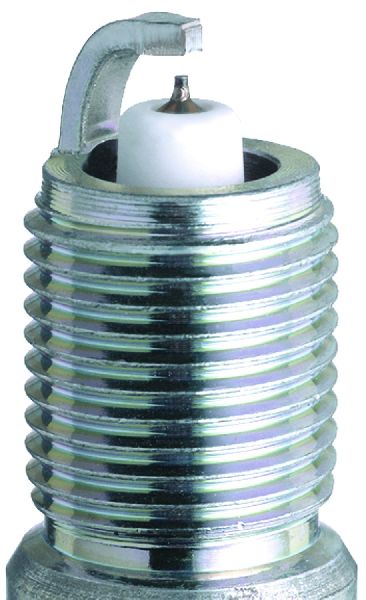
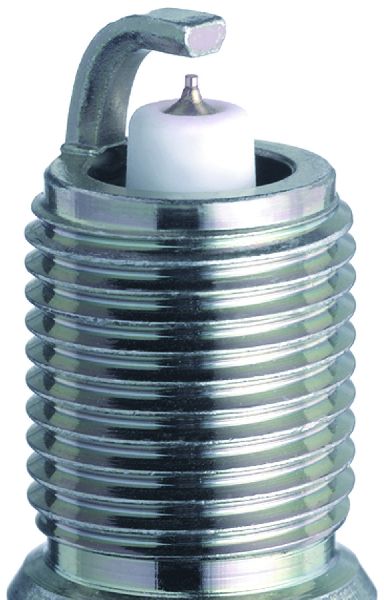
Before you install new spark plugs, you must check the gap. The gap is the small space between the center and ground electrodes. For most Pinto engines, the correct gap is between 0.032 and 0.035 inches. You can check and adjust this with a simple, inexpensive gapping tool. 🎬 See this guide on how to gap spark plugs properly. An incorrect gap can cause performance issues.
Known Issues
No recalls or Technical Service Bulletins (TSBs) have been issued by the NHTSA specifically for spark plugs on the 1971-1980 Ford Pinto. The vehicle's ignition system is straightforward, and spark plug-related problems are almost always due to normal wear and tear or incorrect installation.
Frequently Asked Questions
How often should I change the spark plugs on my Pinto?
For standard copper spark plugs, a good rule of thumb is to replace them every 20,000 to 30,000 miles or every few years as part of a regular tune-up.
What is the correct spark plug thread size for a Ford Pinto?
The Pinto engine uses a spark plug with an 18mm thread diameter and a tapered seat. This is larger than most modern cars, so make sure you buy the correct size for your engine.
Is it hard to change the spark plugs myself?
No, this is one of the easiest maintenance jobs you can do on a Pinto. The spark plugs are easy to access on top of the engine. With a basic ratchet, an extension, and a spark plug socket, you can complete the job in under an hour.
My Pinto's engine is heavily modified. Do I need special plugs?
If your engine's cylinder head has been significantly skimmed (machined flat), a standard plug's electrode might touch the piston. In this specific case, a shorter-tip plug, such as an NGK A7FS, may be required. For stock or mildly modified engines, this is not a concern.
Should I use anti-seize on the new spark plug threads?
This is a topic of debate. Some mechanics apply a small amount to prevent the plugs from getting stuck in the cylinder head. However, many modern plugs from brands like NGK have a special plating that prevents seizing, and they advise against using anti-seize. If you do use it, be careful to use only a tiny amount and reduce the tightening torque slightly to avoid over-tightening.
Helpful Videos





Technical Specifications
OEM Part Numbers: BRF22C
Thread Size: 18mm Seat Type: Tapered Recommended Gap: 0.032" - 0.035" (0.8mm - 0.89mm) Recommended Material: Copper Core
We Have This Part in Stock


The information in this article is provided for general reference and educational purposes only. Vehicle specifications, procedures, and part compatibility can vary by production date, trim level, and region. Always consult your vehicle's factory service manual and verify part numbers before purchasing or performing repairs. Safety-critical components such as airbags, seat belts, and braking systems should be installed by a qualified professional.