

A Dodge Colt Owner's Guide to Universal Joint Replacement (1971-1981)
Address that clunking and vibration by choosing the right U-joint for your classic rear-wheel-drive Colt.
- A clunk when shifting gears or a vibration at speed are the most common signs of a failing U-joint on your Colt.
- Do not ignore the symptoms; a complete failure can cause the driveshaft to detach and lead to a loss of control.
- For best results, choose a premium aftermarket brand like Dana/Spicer. It is also best practice to replace both U-joints at the same time.
- This repair is possible for a DIY mechanic, but requires specific tools like a bench vise or press to change the joints on the driveshaft.
Is Your Dodge Colt's U-Joint Failing?
A failing universal joint gives several warning signs. Because a complete failure can cause the driveshaft to detach from the car, it's a repair you shouldn't ignore. Listen and feel for these common symptoms.
Key Symptoms of a Bad U-Joint
- Loud Clunking Noise: The most common sign is a sharp 'clunk' or 'ping' when you shift into Drive or Reverse. This is the sound of excessive slack in the worn-out joint.
- Vibration While Driving: A vibration that you can feel through the floor of the car, which gets worse with speed, points to a bad U-joint. This happens because the worn joint throws the driveshaft out of balance.
- Squeaking Noise: A repetitive, bird-chirp-like squeak that matches your speed (especially at lower speeds) often means the U-joint has lost its internal lubrication and is running dry.
- Visible Rust Dust: If you look under the car, you might see a fine, reddish-brown dust around the U-joint caps. This is a sign the needle bearings inside are grinding themselves into dust.
Can I Keep Driving with a Bad U-Joint?
Driving with a failing U-joint is risky. In the early stages (a faint squeak or minor clunk), you can drive cautiously to a repair shop. However, if you have significant vibrations or loud clunking, you should stop driving. A complete failure will cause the driveshaft to disconnect, potentially digging into the pavement and causing a total loss of control or severe damage to the underside of your car.
Choosing the Right Aftermarket U-Joint
Since new original equipment (OEM) parts for a 1971-1981 Dodge Colt are no longer made, you will be choosing from aftermarket brands. Quality varies, but even a standard replacement is better than a failed original. Here’s a breakdown of available brands, tiered by quality and reputation among mechanics and classic car owners.
Tier 1: Premium / Heavy-Duty
These brands are widely considered to be as good as or better than the original parts. They are the top choice for reliability and longevity.
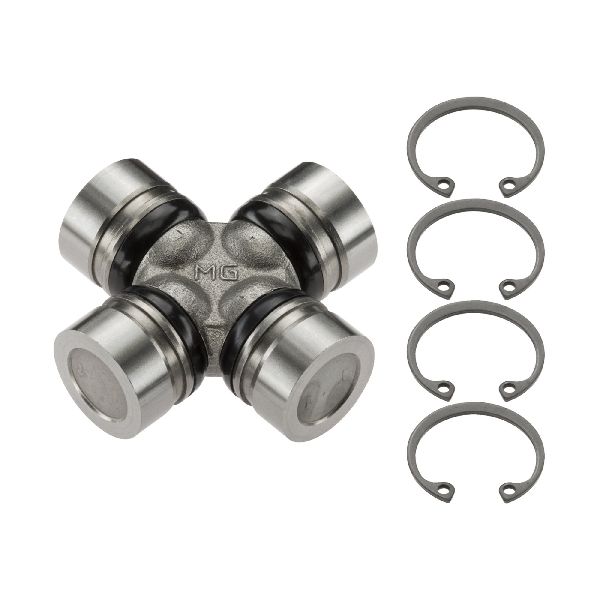
- Dana / Spicer: Often the original manufacturer for many classic cars, Spicer is the go-to brand for professional mechanics. Their solid, non-greasable joints are often preferred for their strength and long life, as they are sealed from contaminants from the factory.
Tier 2: Quality Aftermarket
These brands offer a good balance of quality and cost. They are a solid choice for a daily driver or a car that sees regular use.
- SKF: Known for high-quality bearings, SKF's driveline components are also well-regarded. They are a trusted name in automotive parts.
- Moog: Moog has a long history as a top-tier aftermarket brand. While still a popular choice, some users in online forums have noted recent inconsistencies in quality. Despite this, they are generally considered a reliable option.
Tier 3: Standard Replacement
This brand offers a functional and affordable solution, meeting standard specifications for a direct replacement.
- GMB: GMB is a well-known manufacturer that provides reliable, budget-friendly replacement parts. For a stock Dodge Colt, a GMB U-joint is a perfectly adequate choice that will restore proper function.
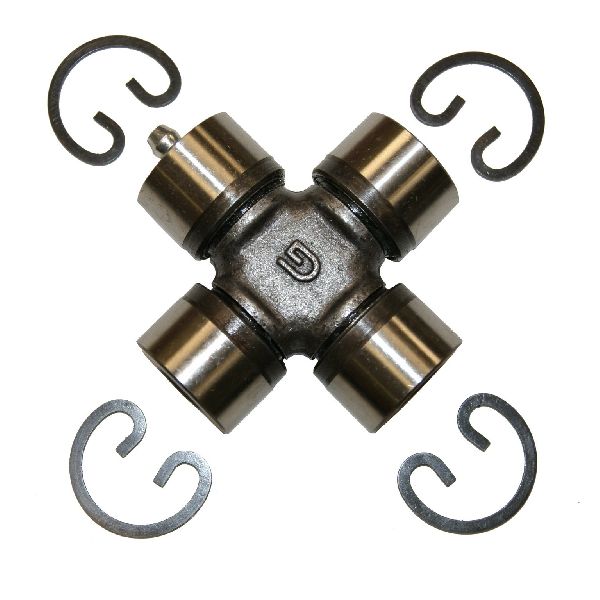
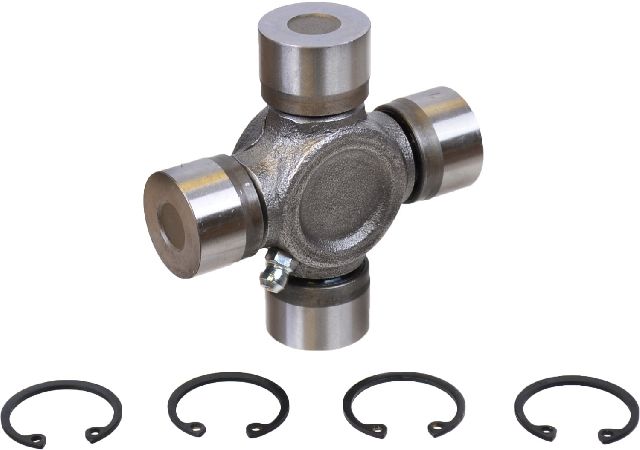
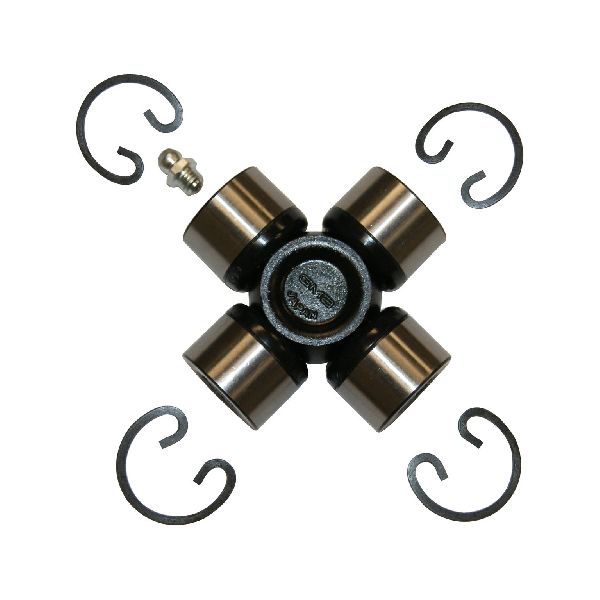
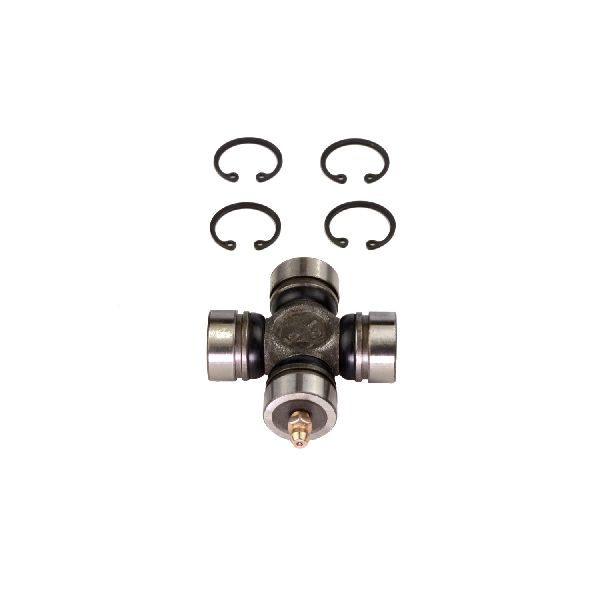
Greasable U-joints have a zerk fitting that allows you to add new grease periodically. This can extend their life if you are diligent about maintenance. However, the channels for the grease can make the joint slightly weaker than a solid, non-greasable design. Sealed (non-greasable) joints, like many from Spicer, are stronger and maintenance-free, but must be replaced when they wear out. For most owners, a high-quality sealed joint is the preferred 'fit-and-forget' option.
Cost of Replacing a Dodge Colt U-Joint
The cost is broken down into parts and labor. Your Colt has at least two U-joints. It is best practice to replace them in pairs.
| Item | Estimated Cost |
|---|---|
| New Aftermarket U-Joint (Single Part) | $16 - $101 |
| Shop Labor (per U-joint) | $100 - $200 |
| Total for Two U-Joints (Parts & Labor) | $232 - $604 |
Note: Labor costs vary by location and shop. This estimate is for replacing two U-joints.
Frequently Asked Questions
How many U-joints does my 1971-1981 Dodge Colt have?
Most 1971-1981 Dodge Colts have a one-piece driveshaft with two universal joints: one connecting the driveshaft to the transmission and one connecting it to the rear axle differential. Some models could have a two-piece driveshaft with a center support bearing, which would have three U-joints.
Can I replace the U-joints myself?
Yes, this is a DIY-feasible job if you have the right tools and some mechanical experience. You will need to safely lift the vehicle, remove the driveshaft, and then use a bench vise and sockets or a hydraulic press to remove the old joints and install the new ones. It can be challenging without a press, so watch a few tutorial videos before you begin.
Should I replace both U-joints at the same time?
Yes. If one U-joint has failed, the other has been subjected to the same amount of wear and tear and is likely near the end of its life as well. Replacing them both at the same time saves you from having to do the job again in the near future. It's also a good time to have the entire driveshaft assembly checked for balance at a driveline shop.
What is the most common mistake when ordering?
The most common mistake is ordering the wrong size. While many Colts use the same size U-joint, there can be variations. It is always best to measure the bearing cap diameter and the overall width of your old U-joint before ordering. If you are unsure, consult a parts catalog or measure the yokes on your driveshaft and differential.
Technical Specifications
U-joints for the 1971-1981 Dodge Colt are identified by their bearing cap diameter and the width across the joint (yoke span). Due to potential variations, it is highly recommended to measure your existing U-joints before ordering a replacement.
We Have This Part in Stock

The information in this article is provided for general reference and educational purposes only. Vehicle specifications, procedures, and part compatibility can vary by production date, trim level, and region. Always consult your vehicle's factory service manual and verify part numbers before purchasing or performing repairs. Safety-critical components such as airbags, seat belts, and braking systems should be installed by a qualified professional.
- 🛍️ Shop This Part
- Is Your Dodge Colt's U-Joint Failing?
- Key Symptoms of a Bad U-Joint
- Can I Keep Driving with a Bad U-Joint?
- Choosing the Right Aftermarket U-Joint
- Tier 1: Premium / Heavy-Duty
- Tier 2: Quality Aftermarket
- Tier 3: Standard Replacement
- Cost of Replacing a Dodge Colt U-Joint
- Frequently Asked Questions
- 🎟️ Get 5% Off