

Choosing the Right Spark Plugs for Your 1971-1981 Toyota Celica
Get the right spark for your classic Celica's engine to restore performance and reliability.
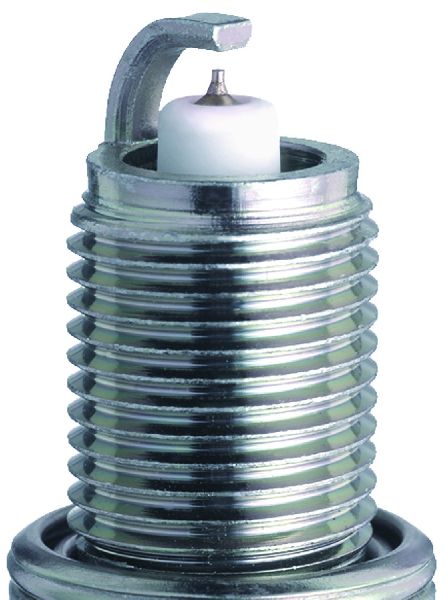
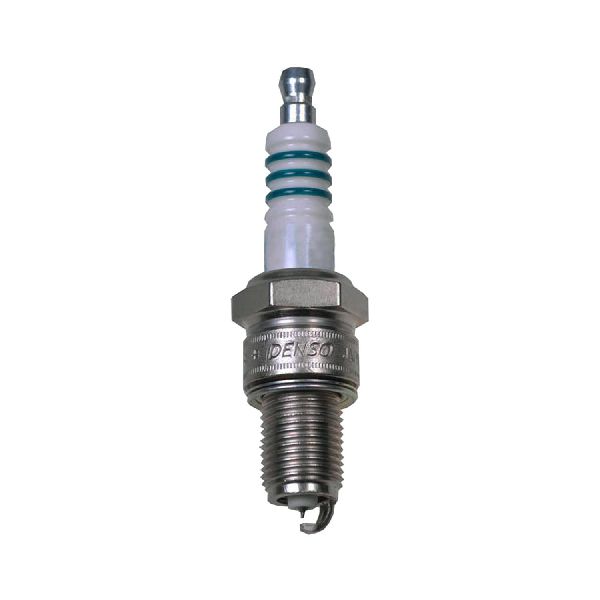
- For 1971-1981 Celicas, stick with the OEM-style brands, NGK or Denso, for best performance and reliability.
- Standard copper or nickel plugs are the correct choice; expensive iridium or platinum plugs are unnecessary for the stock ignition system.
- Always manually check and adjust the spark plug gap before installation to match your engine's specifications.
- Replacing spark plugs is a simple, beginner-friendly DIY task that can significantly improve engine performance.
Signs of Failing Spark Plugs
Worn-out spark plugs can cause a number of noticeable problems in your 1971-1981 Celica. Because these classic cars don't have modern computer diagnostics, you have to rely on how the car feels and sounds. If you experience a rough idle, poor acceleration, or a general feeling of the engine 'chugging' or misfiring, bad spark plugs are a likely culprit. You might also notice your fuel economy getting worse or have trouble starting the engine. A visual inspection of a removed plug can also tell you a lot; a black, sooty tip can indicate a fuel mixture issue, while a white tip might mean the engine is running too hot.
Choosing the Right Aftermarket Spark Plugs
When it comes to a classic Japanese vehicle like the first and second-generation Celica, the brand of spark plug you choose matters. While many brands are available, owner experiences consistently point to two as the best choices.
Brand Quality Tiers for 1971-1981 Toyota Celica
| Tier | Brands | Our Assessment |
|---|---|---|
| Top Tier - OEM Quality | NGK, Denso | Denso was the original equipment (OE) supplier for Toyota, and both Denso and NGK are widely considered the best options for these engines. They provide reliable, consistent performance. For a stock engine, a standard copper or nickel plug from these brands is an excellent, affordable choice that matches original performance. |
| Mid-Grade | Bosch | Bosch can be a good option, especially if your car originally came with them, though this is more common in German vehicles. Some owners have used them successfully in Toyotas, but the general consensus leans heavily toward NGK and Denso for best results. |
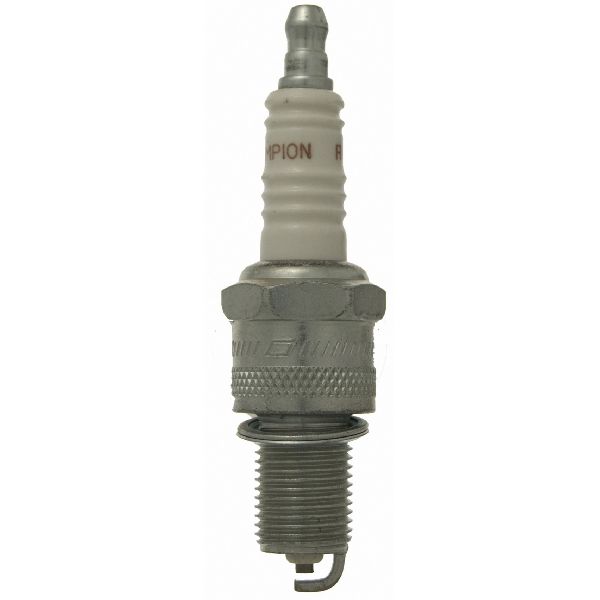
| Economy | Autolite, Champion | While functional, these brands are generally not recommended for Japanese engines. Forum discussions and mechanic recommendations often advise against using Autolite or Champion in Toyotas, sometimes citing performance issues like misfires. It is best to stick with the brands Toyota trusted from the factory. |
Pro Tip: Check the Gap
Always check the spark plug gap before installation, even if the box says they are 'pre-gapped'. The correct gap is critical for performance. For a 20R engine, for example, the gap should be set correctly to ensure a strong spark. Use a feeler gauge or gapping tool to adjust the gap to your Celica's specific engine requirements.
Known Issues & Recalls
For vehicles of this age, formal recalls or Technical Service Bulletins (TSBs) related to spark plugs are non-existent. Searches on the National Highway Traffic Safety Administration (NHTSA) database show no recalls for this specific part on 1971-1981 Celicas. Common problems are not related to manufacturing defects but rather to normal wear and tear or incorrect installation. Issues like misfires after a plug change are often traced back to incorrect gapping, damaged spark plug wires, or using the wrong type of plug for the engine.
Frequently Asked Questions (FAQ)
Which spark plug is best for my Celica's engine?
For the 18R, 20R, and 22R engines found in this generation of Celica, NGK and Denso standard copper plugs are the most recommended for stock vehicles. They provide performance and reliability consistent with the original factory parts.
How often should I change my spark plugs?
For the standard copper plugs used in these vehicles, a good rule of thumb is to inspect them annually and replace them every 30,000 to 40,000 miles, or sooner if you notice performance issues.
Do I need special Iridium or Platinum plugs?
No. While modern plugs like Iridium and Platinum last longer, the ignition systems in 1971-1981 Celicas were designed for standard copper or nickel plugs. Using expensive plugs offers little to no performance benefit on a stock engine and is not necessary. Sticking with the OEM-style plugs from NGK or Denso is the best approach.
Is replacing spark plugs a difficult job?
No, this is a very simple DIY job for a 1971-1981 Celica. The engine bay provides easy access to the spark plugs. You will need a ratchet with an extension, a spark plug socket, and a tool to gap the new plugs.
Technical Specifications
OEM Part Numbers: 90919-01064
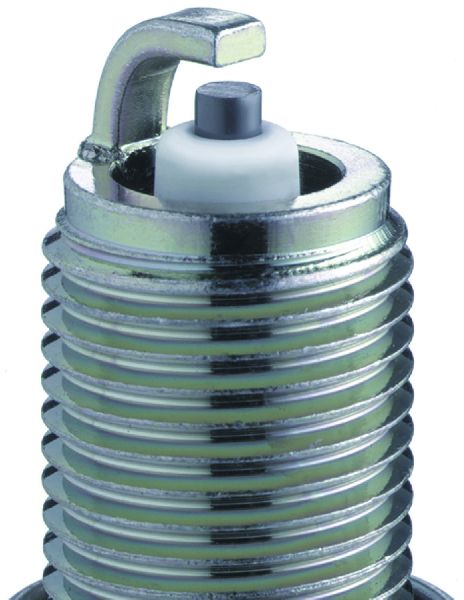
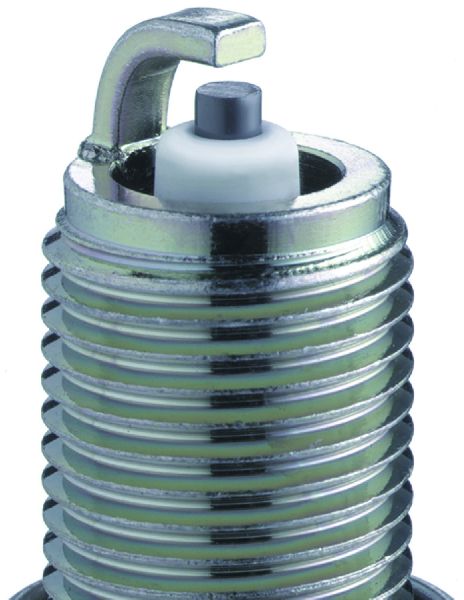
Spark plug specifications vary by engine (18R, 20R, 22R). For the 18R engine, a common spec is a 14mm thread size, 19mm thread length, and a 0.8mm electrode gap with a 21mm spanner size. Always verify the correct part number and gap for your specific engine and year.
We Have This Part in Stock

The information in this article is provided for general reference and educational purposes only. Vehicle specifications, procedures, and part compatibility can vary by production date, trim level, and region. Always consult your vehicle's factory service manual and verify part numbers before purchasing or performing repairs. Safety-critical components such as airbags, seat belts, and braking systems should be installed by a qualified professional.