

Toyota Celica Universal Joint Replacement Guide (1971-1982)
Eliminate driveshaft vibrations and clunking noises by understanding and replacing your classic Celica's U-joints.
- A clunking noise when shifting, vibrations at speed, or a rhythmic squeak are the main symptoms of a failing U-joint on your Celica.
- Ignoring a bad U-joint can lead to driveshaft failure, which is dangerous and can cause extensive damage.
- For this classic Toyota, high-quality aftermarket brands like GMB or SKF are excellent choices.
- Some original U-joints may be 'staked-in', which makes replacement more difficult and may require a professional driveline shop.
Symptoms of a Failing Universal Joint
A worn-out U-joint on your Celica will give you clear warning signs. Ignoring them can lead to more significant and costly damage, including failure of the driveshaft itself. Listen and feel for these common symptoms:
- Clunking or Banging Noise: A loud 'clunk' when you shift from park into drive or reverse is a classic sign of a bad U-joint. This is caused by excessive play in the worn joint.
- Vibrations While Driving: A vibration that you can feel through the floor or seats, which often gets worse at highway speeds, points to a failing U-joint. This happens because the worn joint throws the driveshaft out of balance.
- Squeaking or Chirping: A rhythmic squeaking noise that changes with your vehicle's speed, especially noticeable at lower speeds, usually means the U-joint's internal bearings are dry and lack lubrication.
- Visible Rust or Wear: If you look under the car, you might see rust-colored dust around the U-joint's bearing caps. This is a sign that moisture has gotten inside and the bearings are deteriorating.
Do Not Ignore a Failing U-Joint
A completely failed U-joint can cause the driveshaft to separate from the vehicle while driving. This is extremely dangerous and can cause a loss of control and major damage to the underside of your Celica, including the transmission, exhaust, and floor pan.
Choosing the Right Aftermarket U-Joint
For a classic vehicle like the 1971-1982 Celica, original equipment manufacturer (OEM) U-joints are generally not available. The market consists of aftermarket parts, which are often as good as, or even better than, the original 1970s components. The key is to choose a quality brand.
Brand Quality Tiers
When shopping for a new U-joint, you'll likely encounter these brands:
- GMB: GMB is a Japanese manufacturer and is often a supplier of original parts for many Japanese vehicles. For a Toyota, GMB is generally considered a high-quality, reliable choice that closely matches OEM specifications.
- SKF: SKF is a well-respected global leader in bearings and related technologies. Their U-joints are known for high-quality materials and manufacturing, making them a premium, durable option.
- Moog: Moog has a long-standing reputation in the US aftermarket, particularly for steering and suspension parts. While traditionally a top-tier brand, some user feedback suggests quality can be inconsistent depending on the specific part, so it's wise to check recent reviews.
Greasable vs. Non-Greasable U-Joints
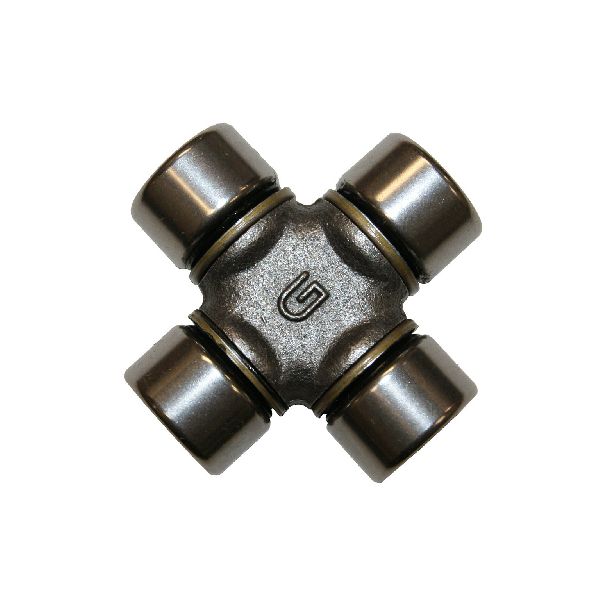
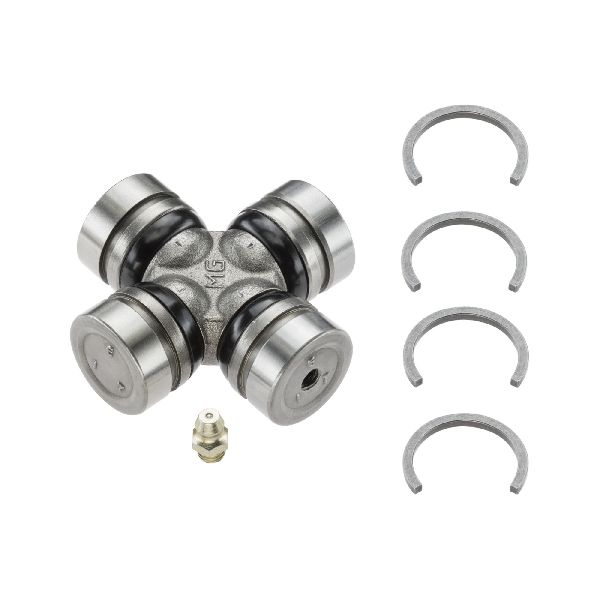
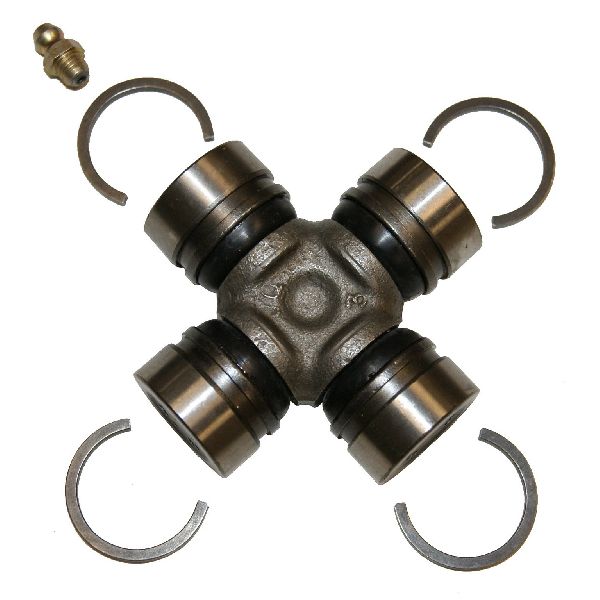
You will see options for both greasable (with a zerk fitting) and non-greasable (sealed) U-joints. Non-greasable joints are often considered stronger because the cross isn't drilled for a grease channel. However, greasable joints can have a longer life if they are maintained regularly. For most owners, a high-quality, sealed, non-greasable U-joint from a brand like SKF or GMB is a reliable, maintenance-free choice.
Cost to Replace a Toyota Celica U-Joint
| Item | Estimated Cost |
|---|---|
| Aftermarket Universal Joint Part | $18 - $40 |
| Shop Labor | $150 - $300 |
| Total Estimated Cost | $168 - $340 |
Note: Costs are estimates and can vary based on your location and the specific repair shop. Labor costs include removing the driveshaft, pressing out the old U-joint, pressing in the new one 🎬 See two different ways to professionally replace your U-joints., and reinstalling the driveshaft.
Frequently Asked Questions
How many U-joints does a 1971-1982 Celica have?
Most 1971-1982 Celica models have a two-piece driveshaft, which typically uses three universal joints and a center support bearing. It's wise to inspect all of them when you have one that is failing.
Are the original U-joints staked or held with clips?
Some factory Toyota U-joints from this era were "staked-in," meaning the metal of the driveshaft yoke was deformed at the factory to hold the bearing caps in place instead of using clips. If you have staked joints, replacement is more difficult and is often best left to a professional driveline shop. Aftermarket replacements for staked joints are available.
Can I replace a U-joint myself?
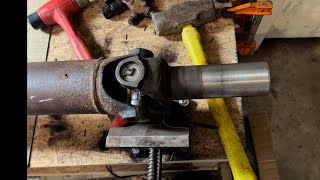
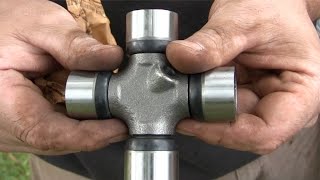
Yes, if you have the right tools and experience. The process involves removing the driveshaft, then using a large vise 🎬 Learn the easy way to change universal joints yourself., a ball joint press, or a hydraulic press to remove the old joint and install the new one. It is critical not to damage the driveshaft yoke. If you are not comfortable with this process 🎬 Watch how to replace a U-joint without using special tools., it is a common job for any auto repair shop.
Were there any recalls for the Celica U-joint?
No specific recalls or Technical Service Bulletins (TSBs) for universal joints on the 1971-1982 Toyota Celica were found in a search of the National Highway Traffic Safety Administration (NHTSA) database. Any issues are typically due to age and normal wear.
Helpful Videos
Technical Specifications
The 1971-1982 Toyota Celica is a rear-wheel-drive vehicle that typically uses a two-piece driveshaft with three universal joints. The joints can be either a clip-retained style or a staked-in style, which requires special procedures for replacement.
We Have This Part in Stock

The information in this article is provided for general reference and educational purposes only. Vehicle specifications, procedures, and part compatibility can vary by production date, trim level, and region. Always consult your vehicle's factory service manual and verify part numbers before purchasing or performing repairs. Safety-critical components such as airbags, seat belts, and braking systems should be installed by a qualified professional.