

Choosing the Right Spark Plug Wire Set for Your 1971-1983 Dodge Colt
Everything you need to know about replacing the spark plug wires on your classic Colt.
- For a stock 1971-1983 Dodge Colt, high-quality standard replacement wires from brands like NGK or Denso offer the best value and reliability.
- Symptoms of failure include rough idle, engine misfires, and reduced power.
- There are no specific recalls or TSBs for this part on your vehicle, so issues are typically due to age and wear.
- Replace wires one at a time to maintain the correct firing order and ensure proper routing.
Is it Time for New Spark Plug Wires?
The spark plug wires in your Dodge Colt live in a harsh environment, exposed to high heat and constant vibration. Over many years, the rubber insulation can crack, and the internal conductor can degrade. When this happens, the electrical energy meant for your spark plugs can leak out or weaken, causing noticeable issues.
Symptoms of Failing Wires:
- Rough Idling: The engine may shake or vibrate more than usual when stopped.
- Engine Misfires: You might feel a stumble or hesitation from the engine during acceleration.
- Reduced Power and Fuel Economy: When spark isn't delivered efficiently, your engine loses power and burns more gas to do the same amount of work.
- Difficulty Starting: A weak spark can make it harder for the engine to fire up, especially when cold.
- Visible Damage: A visual inspection may reveal cracks, burns, or corrosion on the wires and their boots.
Known Issues for This Vehicle
No specific recalls or technical service bulletins (TSBs) have been issued by the NHTSA for the spark plug wire set on the 1971-1983 Dodge Colt. However, given the age of these vehicles, original wires are well past their service life and are a common cause of running issues due to simple wear and tear.
Choosing the Right Aftermarket Wires
Since your Dodge Colt is a classic, finding original OEM Mopar wires is highly unlikely. The good news is that many reputable aftermarket brands produce quality replacement sets that meet or exceed original specifications. The Dodge Colt of this era was a rebadged Mitsubishi, so brands known for quality in Japanese vehicles are excellent choices.
Brand Quality Tiers
For a stock 1971-1983 Dodge Colt, you don't need expensive, high-performance racing wires. A quality standard replacement set will work perfectly. Here’s a breakdown of the available brands:
- Top Tier (Excellent Quality): NGK and Denso are premier Japanese brands, often original equipment for many Japanese cars. They are known for excellent fit, durability, and performance. For a Colt, these are a fantastic choice for reliability.
- Performance Tier (High Quality/Performance Focus): MSD and Granatelli focus on high-performance applications. While they offer very low resistance and are well-made, their benefits may not be noticeable on a stock Colt engine and they often come at a higher price. They are a good option if you have other ignition system upgrades.
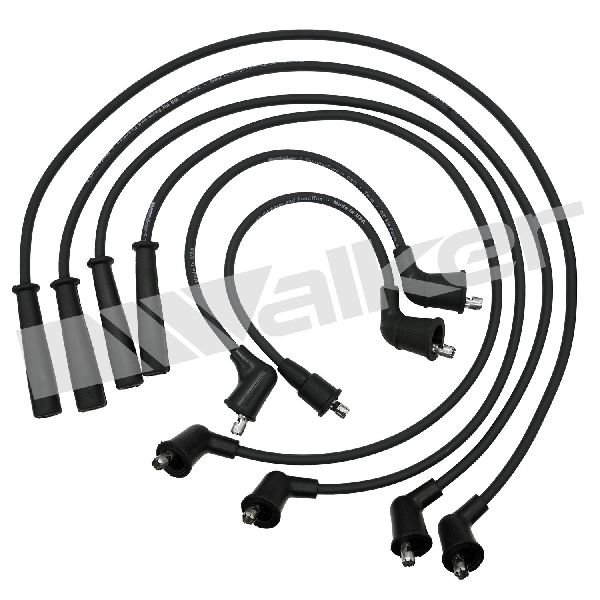
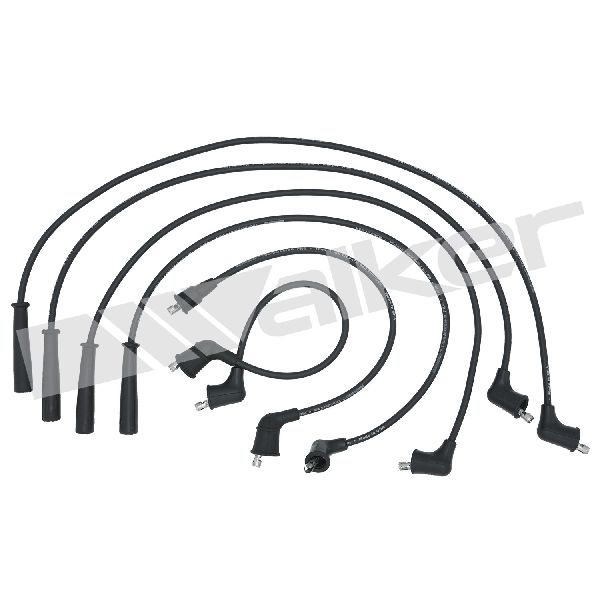
- Standard Tier (Good Quality & Value): Standard Motor Products (SMP) and Walker Products are well-regarded aftermarket brands that offer reliable, OE-style replacement parts. They provide a good balance of quality and price, making them a solid choice for a daily driver or restoration.
Pro Tip: When replacing your wires, it's a great time to also inspect or replace your spark plugs, distributor cap, and rotor. These parts all work together. Using a small amount of dielectric grease on the inside of the spark plug boots will make future removal easier and helps seal out moisture.
| Brand Tier | Price Range | Notes |
|---|---|---|
| Standard (Walker, Standard) | $21.91 - $35.00 | Good quality for daily driving. Meets original specifications. |
| Top Tier (NGK, Denso) | $25.97 - $45.00 | Excellent quality and fit, often considered OEM-equivalent for Japanese vehicles. |
| Performance (MSD, Granatelli) | $40.00 - $53.10+ | Best for modified engines with upgraded ignition systems. |
Frequently Asked Questions
Do I need special tools to replace my spark plug wires?
No special tools are usually required. A good pair of spark plug wire pliers can be helpful to avoid damaging the boots when removing old wires, but often you can remove them by twisting and pulling firmly on the boot (not the wire itself). Always replace wires one at a time to avoid mixing up the firing order.
Should I choose 7mm or 8mm wires?
For a stock engine, a standard 7mm wire set is perfectly adequate and matches the original equipment. Larger 8mm or 8.5mm wires offer thicker insulation and are typically used in higher-performance applications to prevent voltage leaks with high-output ignition systems. On a stock Colt, you won't see a performance difference between the two sizes.
Are more expensive 'performance' wires better for my Colt?
Not necessarily. While brands like MSD and Granatelli make excellent, low-resistance wires, a stock ignition system doesn't produce enough energy to take advantage of them. A quality standard set from NGK, Denso, or Standard will provide a strong, reliable spark for your engine's needs.
How do I know the correct routing for the new wires?
The best method is to replace one wire at a time. This ensures you don't mix up the cylinder order. Pay attention to any clips or looms that hold the wires apart. Keeping wires separated prevents them from rubbing and, more importantly, stops 'inductive crossfire,' where the magnetic field from one wire induces a weak spark in another, which can cause misfires.
Technical Specifications
OEM Part Numbers: MD001741 MD001743 MD001795 MD009141 MD023741 MD023742 MD025709 MD030936 MD030937 MD030939 MD031648 MD085764 MD085765 MD085766 MD005750
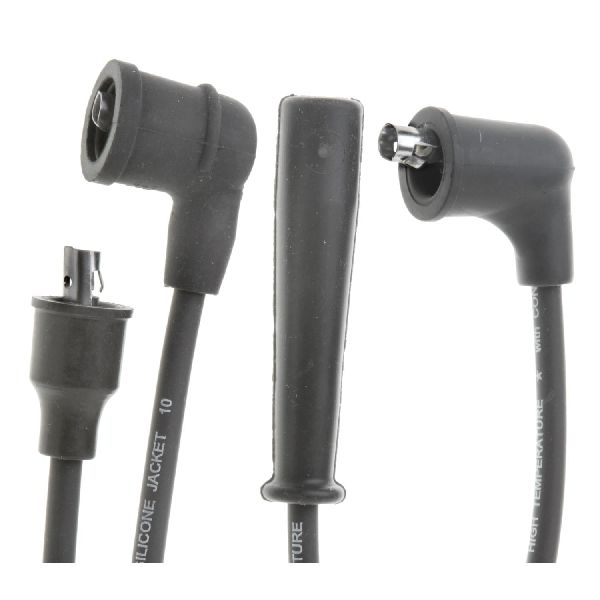
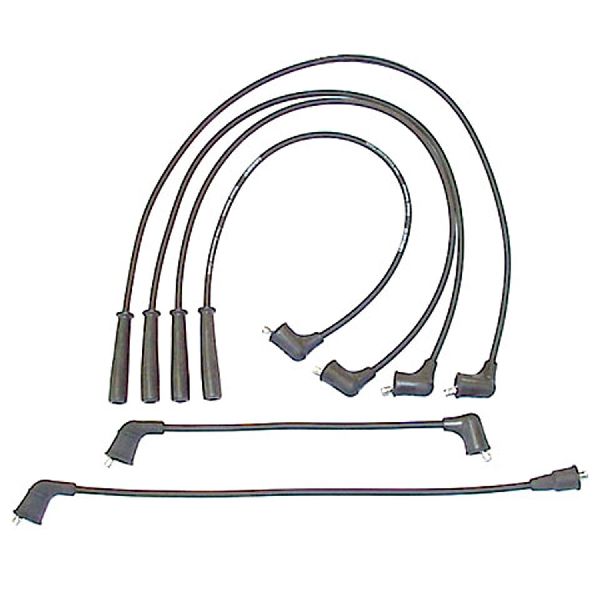
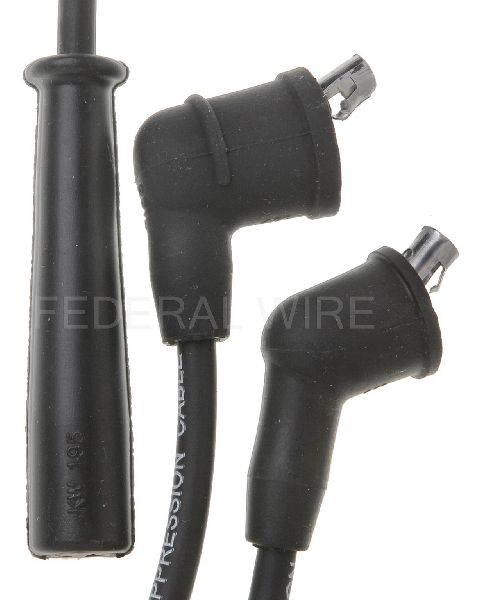
Most replacement sets for this vehicle use a 7mm diameter, wire-wound or carbon core suppression wire with silicone boots designed to fit the specific engine and distributor configuration.
We Have This Part in Stock

The information in this article is provided for general reference and educational purposes only. Vehicle specifications, procedures, and part compatibility can vary by production date, trim level, and region. Always consult your vehicle's factory service manual and verify part numbers before purchasing or performing repairs. Safety-critical components such as airbags, seat belts, and braking systems should be installed by a qualified professional.