

Ford E-100 Econoline Power Steering Pump Replacement Guide (1971-1983)
Keep your classic Econoline easy to steer by understanding power steering pump failure, replacement options, and costs.
- For this van, you will be buying a remanufactured pump; quality can be inconsistent, so a good warranty is key.
- You MUST use a special pulley puller/installer tool to swap the pulley from the old pump to the new one.
- Use Type F Automatic Transmission Fluid (ATF), not standard power steering fluid, unless your manual specifies otherwise.
- Properly flushing old fluid and bleeding air from the new system is critical to prevent noise and premature failure.
Is Your Econoline's Power Steering Pump Failing?
A bad power steering pump gives clear warning signs. If your van becomes hard to steer or starts making strange noises from the engine bay, the pump is a likely suspect. Ignoring these symptoms can make your van unsafe and lead to more damage.
Common Failure Symptoms
- Whining or Groaning Noises: This is the most classic symptom. You'll hear a distinct whine that gets louder when you turn the steering wheel and changes pitch with engine speed. This is often caused by low fluid, air in the system, or internal pump wear.
- Stiff Steering: If turning the wheel suddenly feels like a workout, especially when parking, the pump is not providing enough hydraulic pressure.
- Fluid Leaks: Reddish or brown fluid puddles under the front of your van indicate a leak. The pump's seals and hoses can degrade over time.
- Squealing Sound: A loud squeal, especially when you first start the engine, can point to a failing pump bearing or a loose/worn drive belt.
Choosing the Right Aftermarket Pump
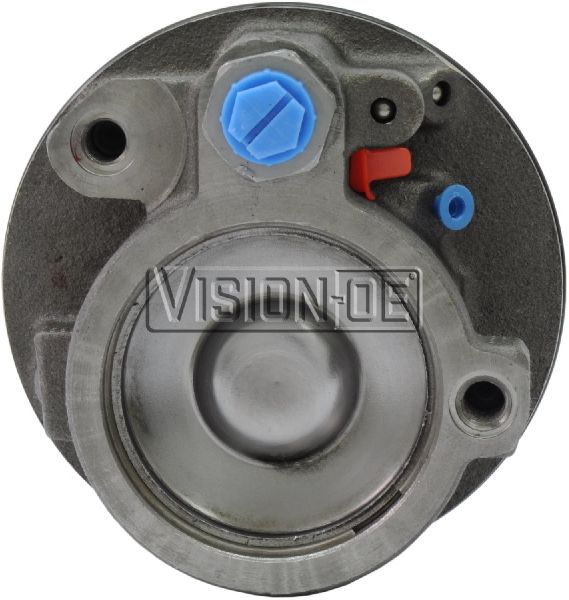
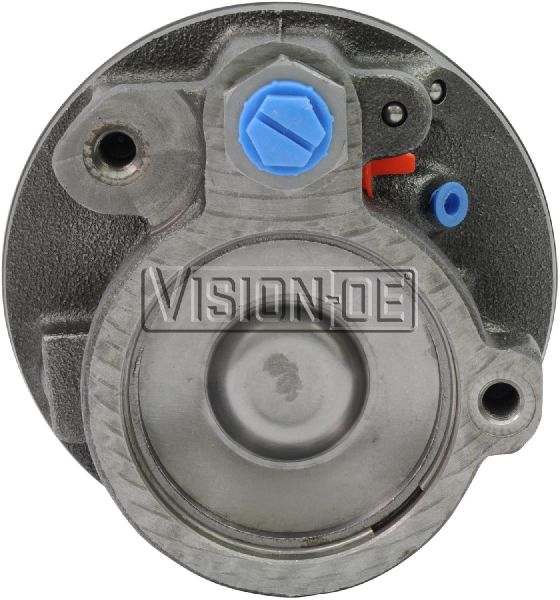
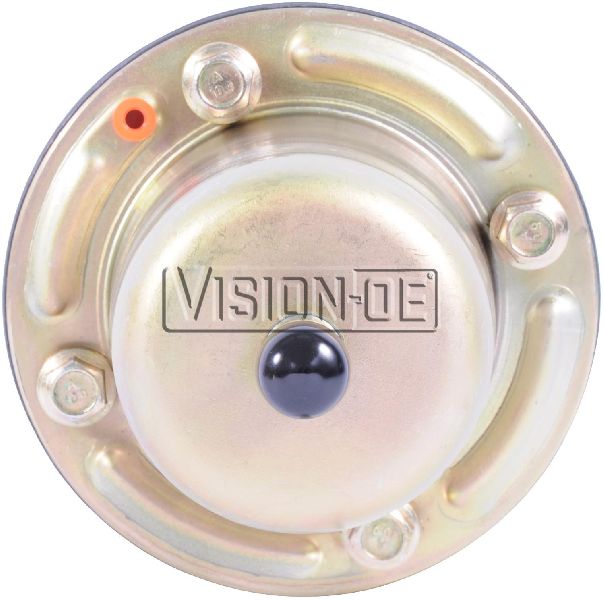
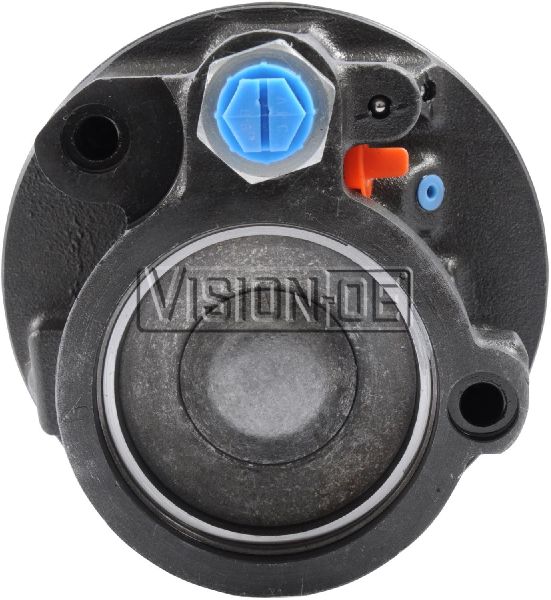
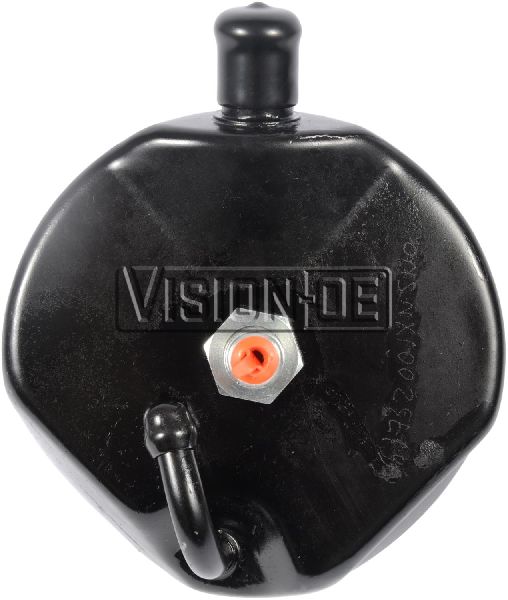
For a vehicle as old as the 1971-1983 Econoline, finding a brand-new, original equipment (OEM) Ford pump is nearly impossible. The market consists almost entirely of remanufactured aftermarket parts from brands like Cardone and BBB Industries.
A "remanufactured" part means an old pump (the "core") has been taken apart, cleaned, inspected, and rebuilt with new seals, O-rings, and other components that commonly wear out. However, the quality can be inconsistent.
- Cardone: A major remanufacturer, but online forums show very mixed reviews. Some users report success, but many others have experienced pumps that leaked or failed shortly after installation, sometimes requiring multiple replacements to get a good unit.
- BBB Industries: Another large remanufacturer. Like Cardone, experiences vary. Some users have had good luck with their pumps, while others have reported issues with the quality of the remanufacturing process.
Honest Assessment: When buying a remanufactured pump for your Econoline, be aware that there is a risk of receiving a defective part. Buying from a supplier with a good warranty and return policy is essential. The wide price range ($79.89 - $328.55) often reflects the warranty, whether a reservoir is included, and the extent of the remanufacturing process.
Pro Tip: Use the Correct Fluid
Many of these older Ford systems do not use modern power steering fluid. They were designed for Type F Automatic Transmission Fluid (ATF). Always check your owner's manual or a reliable service guide, as using the wrong fluid can damage the seals and the new pump.
Known Issues, Recalls, or TSBs
Searches of the National Highway Traffic Safety Administration (NHTSA) database and other technical resources show no specific recalls or widespread Technical Service Bulletins (TSBs) for the power steering pump on the 1971-1983 Ford E-100 Econoline. Recalls found for Ford E-Series vans relate to much newer models. The most commonly reported issue in forums is the pump's tendency to whine, even when new, which is a known characteristic of the Ford C-II pump design used during this era.
| Part Type | Estimated Cost |
|---|---|
| New OEM | Not Available |
| New Aftermarket (Remanufactured) | $79.89 - $328.55 |
| Used OEM | $40 - $150+ (Varies by condition) |
| Shop Labor | $180 - $350 |
Special Tool Required for DIY Replacement
You cannot simply pull the pulley off the pump shaft by hand. A specific Power Steering Pump Pulley Puller/Installer tool is required to safely remove the pulley from your old pump and press it onto the new one. Attempting the job without this tool will likely damage the pulley or the new pump.
Frequently Asked Questions (FAQ)
Why is my new power steering pump whining?
The most common reason for a new pump to whine is air trapped in the system. The system must be properly bled by raising the front wheels, filling the reservoir, and turning the steering wheel from lock to lock multiple times with the engine off, and then again with it running, until no more bubbles appear in the fluid. However, some whining is a normal characteristic of the original Ford C-II pump design.
Can I replace the power steering pump myself?
Yes, this is a feasible DIY job for someone with moderate mechanical skill, but only if you have the required power steering pulley puller/installer tool. The process also involves handling fluids and properly tensioning the drive belt.
What fluid should I use in my E-100's power steering?
For this vintage, you should not assume it uses standard power steering fluid. Most Ford systems from this era specify Type F Automatic Transmission Fluid (ATF). Check your vehicle's manual to be certain, as using the wrong type can cause damage.
Is a remanufactured pump a reliable choice?
It's your main choice for this vehicle. While many remanufactured pumps work well, their quality can be inconsistent across all brands. To protect yourself, buy from a reputable source with a solid warranty and be prepared for the possibility of having to exchange a defective unit.
Technical Specifications
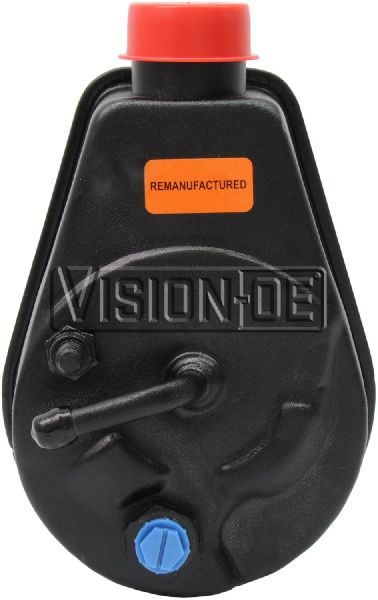
The most common pump style for this application is the Ford C-II pump, sometimes called a 'pencil-neck' pump. The system requires Type F Automatic Transmission Fluid. A pulley puller/installer tool is mandatory for service.
We Have This Part in Stock

The information in this article is provided for general reference and educational purposes only. Vehicle specifications, procedures, and part compatibility can vary by production date, trim level, and region. Always consult your vehicle's factory service manual and verify part numbers before purchasing or performing repairs. Safety-critical components such as airbags, seat belts, and braking systems should be installed by a qualified professional.