

Dodge Colt 1971-1984 Engine Oil Pressure Switch Replacement Guide
Is your oil light acting up? Here's what you need to know about your Colt's oil pressure switch.
- A faulty oil pressure switch can give false warnings or fail to warn you of a real low-pressure problem.
- Always check your oil level immediately if the oil light comes on.
- For this vehicle, quality aftermarket brands like Standard Ignition and Holstein are reliable and readily available.
- Replacing the switch is a simple, inexpensive DIY job that most owners can do in under 30 minutes.
Is Your Oil Light Lying to You?
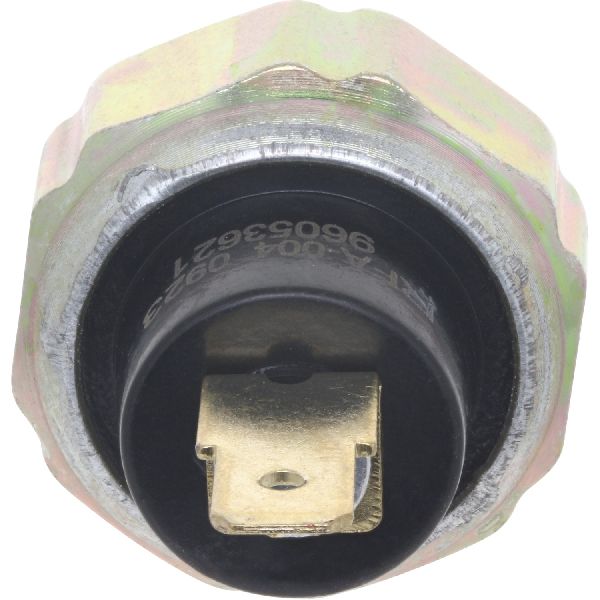
The oil pressure switch in your Dodge Colt is a simple but essential part. It's a pressure-activated switch that turns on your dashboard's oil warning light if pressure gets too low. Because the Dodge Colt from this era is a rebadged Mitsubishi, its engine is straightforward and durable, but it still relies on this sensor for protection. A faulty switch can cause a lot of stress, making you think you have a major engine problem when you don't, or failing to alert you when you actually do. Given the age of these vehicles, a failing oil pressure switch is a common issue.
Symptoms of a Failing Oil Pressure Switch
A bad oil pressure switch can create several confusing symptoms. Here’s what to look for:
- Flickering Oil Light: The oil light may flicker, especially at idle when oil pressure is naturally lower. This is often one of the first signs the switch is failing.
- Oil Light Stays On: If the oil light comes on and stays on, you should immediately check your oil level. If the level is correct, the switch is the next most likely culprit.
- Oil Light Never Comes On: The switch can also fail in the 'off' position. This is a dangerous situation because you won't get a warning if your oil pressure actually drops.
- Oil Leaks: The switch itself can develop leaks over time. You might see oil residue on or around the switch, or drips on the ground below it.
Important: Never Ignore an Oil Light
Even if you suspect a faulty switch, always treat an illuminated oil pressure light as a serious warning. Stop the engine as soon as it is safe to do so and check your oil level. Driving with low oil pressure can destroy an engine in minutes.
Choosing the Right Aftermarket Switch
For a 1971-1984 Dodge Colt, finding original OEM parts is nearly impossible. Thankfully, the aftermarket provides reliable options that often meet or exceed the original specifications. For a simple but critical part like an oil pressure switch, quality is important.
- Standard Ignition (Standard Motor Products): Generally considered a top-tier aftermarket brand. They have a long history of producing quality electronic components and sensors that are well-regarded by professional mechanics. Choosing Standard is a solid bet for reliability and proper function.
- Holstein: A well-known aftermarket brand that offers a wide range of sensors. They are a dependable choice and provide a good balance of quality and cost for this application.
For a part this critical and inexpensive, it's wise to choose a reputable brand. Both Standard Ignition and Holstein are solid choices for your Colt.
Cost of Replacing an Engine Oil Pressure Switch (1971-1984 Dodge Colt)
| Item | Estimated Cost |
|---|---|
| New Aftermarket Part | $7.46 - $58.68 |
| Shop Labor | $50 - $100 |
| Total Estimated Cost | $60 - $160 |
Frequently Asked Questions
Where is the oil pressure switch on my Dodge Colt?
On most engines from this era, the oil pressure switch is screwed into the engine block, often located near the oil filter. You will see a small, one or two-wire sensor.
Can I replace the oil pressure switch myself?
Yes, this is a very beginner-friendly DIY job. It typically requires only basic hand tools and a special socket for oil pressure switches. The process involves unplugging the electrical connector, unscrewing the old switch, screwing in the new one, and reconnecting the wire. The whole job usually takes less than 30 minutes.
Do I need a special tool to replace the switch?
A special deep socket made for oil pressure switches is highly recommended. These sockets have a slot cut into the side to fit over the plastic connector without damaging it. While you might be able to use a standard deep socket, the proper tool makes the job much easier.
Is a flickering oil light always a bad switch?
Not always, but it's the most common cause. A flickering light can also indicate genuinely low oil pressure at idle, which could be caused by a low oil level, worn engine bearings, or a failing oil pump. If replacing the switch doesn't solve the problem, have a mechanic perform a manual oil pressure test immediately.
Technical Specifications
Typically a single-pin switch that grounds to the engine block to activate the dashboard warning light.
We Have This Part in Stock


The information in this article is provided for general reference and educational purposes only. Vehicle specifications, procedures, and part compatibility can vary by production date, trim level, and region. Always consult your vehicle's factory service manual and verify part numbers before purchasing or performing repairs. Safety-critical components such as airbags, seat belts, and braking systems should be installed by a qualified professional.