

Ford LTD Engine Coolant Bypass Hose Guide (1971-1986)
Everything a Ford LTD owner needs to know about this small but critical cooling system hose.
- A leaking bypass hose is a serious issue that can lead to critical engine damage from overheating.
- Always use a 'molded' hose specific to your LTD's engine from a quality brand like Gates, Dayco, or Continental; do not use a generic straight hose.
- Inspect all coolant hoses regularly for cracks, swelling, or soft spots, as failure on these classic cars is primarily due to age.
- When replacing the bypass hose, it is best practice to also replace the hose clamps to ensure a leak-free seal.
Signs of a Failing Bypass Hose
For a classic car like the 1971-1986 Ford LTD, rubber parts often fail from old age. Decades of heat cycles and exposure to coolant chemicals cause the hose to break down. A failure here can quickly lead to major engine problems. Look for these warning signs:
- Coolant Leaks: This is the most common symptom. You may find puddles of green, orange, or pink fluid under the front of your engine. The leak might be a slow drip or a more serious spray.
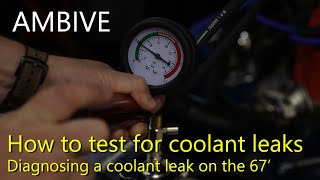
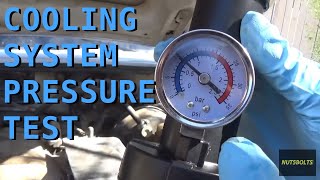
- Sweet Smell: Antifreeze has a distinct sweet odor. If you smell it in your engine bay after a drive, a hose is likely leaking, even if you can't see a puddle. 🎬 Watch: How to find a leak using a pressure test kit
- Engine Overheating: A leaking bypass hose will cause the coolant level to drop. If enough coolant is lost, your engine's temperature gauge will climb into the red. This can cause severe engine damage if not addressed immediately.
- Visible Hose Damage: When the engine is cool, inspect the hose. Look for cracks, splits, or swelling. A hose that feels spongy, mushy, or excessively hard and brittle needs to be replaced right away.
CRITICAL WARNING: Do Not Drive an Overheating Engine
If you see steam from under the hood or your temperature gauge is in the red, pull over and shut off the engine immediately. A burst hose can drain the cooling system in minutes, leading to catastrophic engine damage like a warped cylinder head or a blown head gasket.
Choosing the Right Aftermarket Hose
For a vehicle from this era, finding a new original Ford (OEM) hose is nearly impossible. The real choice is between different aftermarket brands. For a simple part like a hose, a quality aftermarket part is often the only practical option and provides excellent performance.
OEM vs. Aftermarket
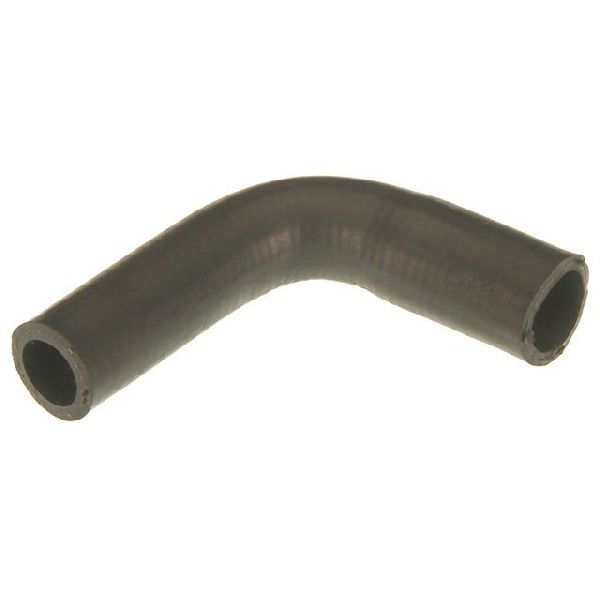
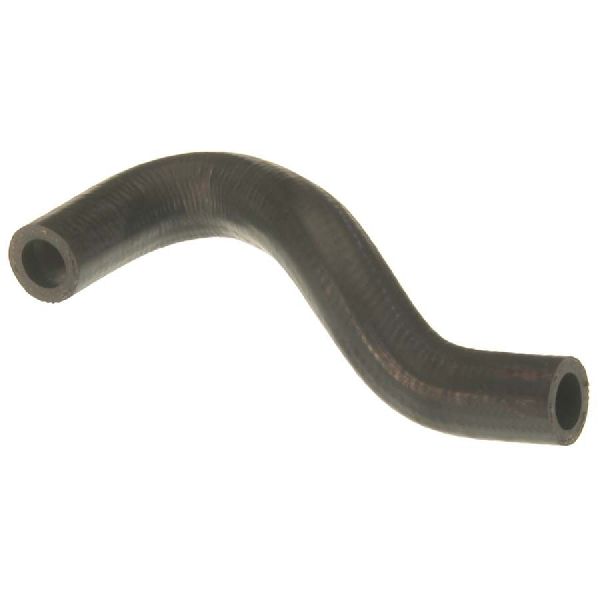
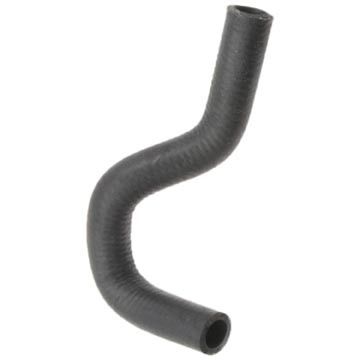
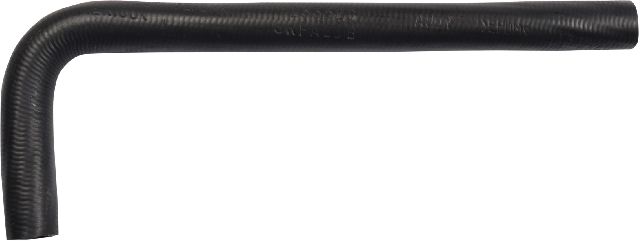
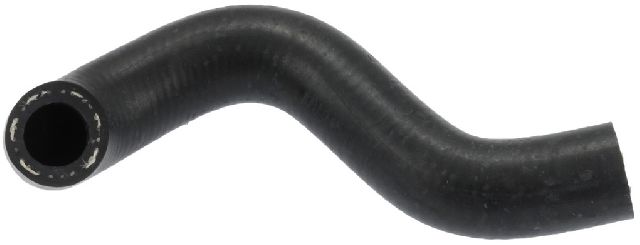
Original hoses for the LTD are long discontinued. Any "New Old Stock" (NOS) parts found would be very old rubber and not reliable for a car you intend to drive. Modern aftermarket hoses from reputable brands like Gates, Dayco, and Continental are made with superior, modern rubber compounds that often last longer than the originals. The most important factor is getting a molded hose specific to your LTD's engine, not a generic straight hose. Molded hoses are pre-shaped to fit perfectly without kinking, which would restrict coolant flow.
🎬 See this overview of classic Ford cooling system designsBrand Quality: Gates vs. Dayco vs. Continental
Gates, Dayco, and Continental are all well-respected, top-tier manufacturers of automotive hoses. For your LTD, any of these brands will provide a quality replacement part. Forum discussions among classic car owners show that fitment can sometimes vary between brands for specific applications. Some users prefer Gates, noting they feel more substantial, while others have had better luck with the fit of Dayco hoses. All three are considered reliable choices, and the best option is often the one that is readily available and correctly cataloged for your specific engine and year.
Estimated Part Cost
| Part Type | Price Range |
|---|---|
| New Aftermarket (Continental, Dayco, Gates) | $24.01 - $81.22 |
| New OEM (NOS) | Not a practical option; likely unavailable |
| Used | Not recommended for rubber parts |
Pro Tip: Check Your Engine
The 1971-1986 Ford LTD was available with many different engines (I-6, 302, 351W, 400, 460 V8s). The bypass hose is specific to the engine. Always verify your engine size before ordering to ensure you get the correct molded hose.
Frequently Asked Questions (FAQ)
How difficult is it to replace the bypass hose myself?
For most owners with basic tools, this is a very DIY-friendly job. It typically involves partially draining the coolant, using pliers to remove the clamps, and swapping the hose. The biggest challenges are often reaching the clamps and removing a hose that is stuck to its fitting after many years. Always work on a cool engine.
🎬 Watch: The easy way to install a water pump bypass hoseShould I replace the hose clamps too?
Yes, absolutely. Old hose clamps can lose tension or corrode. New clamps are inexpensive and ensure a tight, leak-free seal on your new hose. Many mechanics prefer new spring-style clamps because they provide constant tension as the hose heats and cools.
Can I just use a straight piece of rubber hose?
No. You must use a pre-molded hose made for your specific engine. The bypass hose often has tight bends. A straight hose will kink, cutting off coolant flow and causing the engine to overheat.
What kind of coolant should I use in my 1971-1986 LTD?
For classic cars like the Ford LTD from this period, the standard recommendation is a conventional "green" IAT (Inorganic Additive Technology) antifreeze. Always mix it 50/50 with distilled water. Avoid using modern coolants unless you have completely flushed the entire system.
Were there any recalls for the Ford LTD coolant bypass hose?
No specific recalls or Technical Service Bulletins (TSBs) were found for the engine coolant bypass hose on the 1971-1986 Ford LTD during research on the NHTSA database. Any failures are typically due to the age and wear of the rubber components.
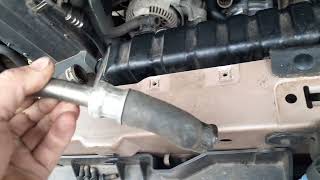
Helpful Videos
Technical Specifications
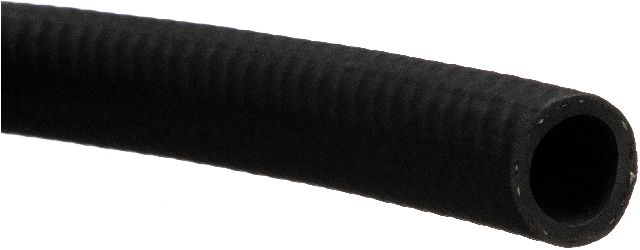
The key specification is that the part must be a 'molded' hose designed for the specific engine (e.g., 302, 351W, 400, 460 V8) and year of the Ford LTD. The material is typically EPDM rubber. Generic or straight hoses will kink and cause engine overheating.
We Have This Part in Stock

The information in this article is provided for general reference and educational purposes only. Vehicle specifications, procedures, and part compatibility can vary by production date, trim level, and region. Always consult your vehicle's factory service manual and verify part numbers before purchasing or performing repairs. Safety-critical components such as airbags, seat belts, and braking systems should be installed by a qualified professional.
- 🎬 Helpful Videos
- 🛍️ Shop This Part
- Signs of a Failing Bypass Hose
- CRITICAL WARNING: Do Not Drive an Overheating Engine
- Choosing the Right Aftermarket Hose
- OEM vs. Aftermarket
- Brand Quality: Gates vs. Dayco vs. Continental
- Estimated Part Cost
- Pro Tip: Check Your Engine
- Frequently Asked Questions (FAQ)
- 🎟️ Get 5% Off