

A Practical Guide to Universal Joints for the 1971-1990 Jeep Wagoneer
Address drivetrain clunks and vibrations by choosing the right U-joint for your classic Full-Size Jeep.
- Diagnose bad U-joints by listening for clunks and squeaks, and feeling for vibrations or binding.
- For maximum reliability and OEM fit, choose Dana Spicer brand U-joints.
- For heavy-duty or off-road use, consider upgrading to stronger joints from a brand like Yukon Gear & Axle.
- Replacing U-joints is a manageable DIY task with the right tools, but care must be taken not to damage the new part during installation.
Is Your Wagoneer Making Strange Noises? It Could Be a U-Joint.
A failing universal joint gives clear warning signs. Ignoring them can lead to a driveshaft separating from the vehicle, causing major damage and leaving you stranded. Listen for these symptoms:
🎬 Watch: 7 signs of a bad universal joint- Clunking Noise: A distinct "clunk" or "clang" when you shift from park into drive or reverse is a classic sign of a worn U-joint with excessive play.
- Squeaking or Chirping: A rhythmic squeak that changes with your speed often points to a U-joint that has lost its grease and is running dry.
- Vibrations: A vibration felt throughout the vehicle, especially at highway speeds, can be caused by a worn and unbalanced U-joint. This is different from a tire imbalance, as it may change during acceleration or deceleration.
- Binding or Clicking When Turning: If you hear a clicking noise or feel the steering bind when making sharp turns, a U-joint in the front axle shafts could be the culprit.
Choosing the Right Aftermarket U-Joint
For a vehicle from this era, new OEM parts are virtually nonexistent. The aftermarket is your primary source, and the quality can range from basic replacements to heavy-duty upgrades. Aftermarket parts from reputable brands often meet or exceed the quality of the original parts from the 1970s and 80s.
Brand Quality Tiers
Based on owner experiences and industry reputation, here is a breakdown of the available brands:
- OEM Grade / Premium: Dana Spicer Chassis is the original equipment manufacturer for Jeep and is widely considered the best choice for reliability and a perfect fit. If you want a part you can trust without question, Spicer is the go-to.
- Heavy-Duty / Performance: Yukon Gear & Axle specializes in high-strength drivetrain components. Their U-joints are built to handle the stress of off-roading and larger tires, making them an excellent upgrade for hard-use Wagoneers.
- Quality Aftermarket: Moog and SKF are well-regarded aftermarket brands. Moog has a long history, though some Jeep enthusiasts note that recent quality can be mixed compared to their older reputation. SKF is often seen as a solid alternative when Spicer is not available. These brands offer a good balance of performance and price.
- Standard / Budget-Friendly: Crown Automotive, Omix-Ada, and GMB offer affordable replacement parts. They are a good choice for a daily-driven Wagoneer under normal conditions where budget is a primary concern. However, some owners report occasional fitment or longevity issues with these brands, so they are best used for less critical applications.
Aftermarket U-Joint Cost
| Good (GMB, Crown, Omix-Ada) | $17 - $40 |
| Better (Moog, SKF) | $40 - $75 |
| Best (Dana Spicer, Yukon Gear) | $75 - $108+ |
Note: Prices are estimates per part and do not include labor. 🎬 See this U-joint replacement on a classic Jeep Wagoneer
Known Issues, Recalls, and Service Bulletins
There are no active recalls or technical service bulletins (TSBs) from the NHTSA related to universal joints for the 1971-1990 Jeep Wagoneer. This is expected due to the vehicle's age. Any issues you experience are likely due to normal wear and tear over decades of use.
Frequently Asked Questions (FAQ)
Should I choose greasable or sealed U-joints?
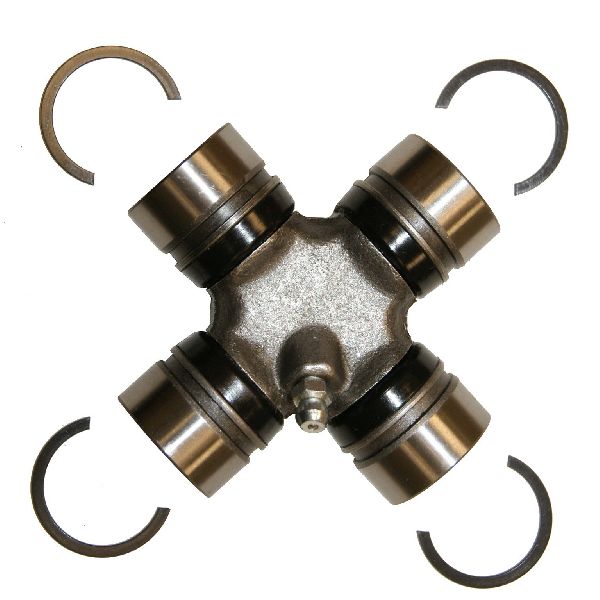
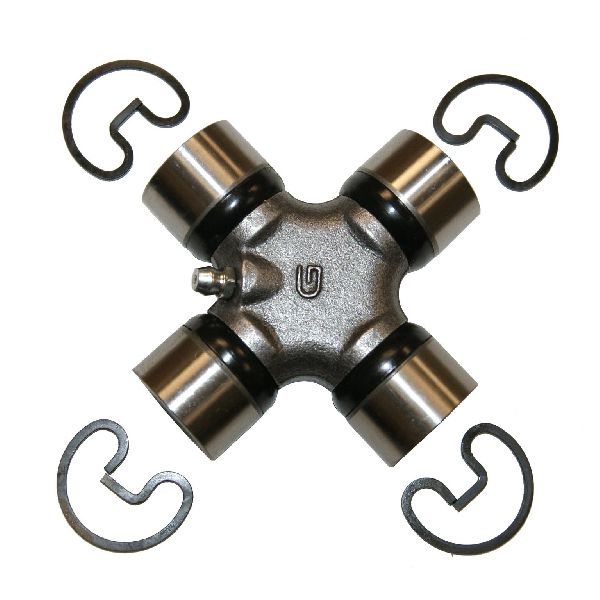
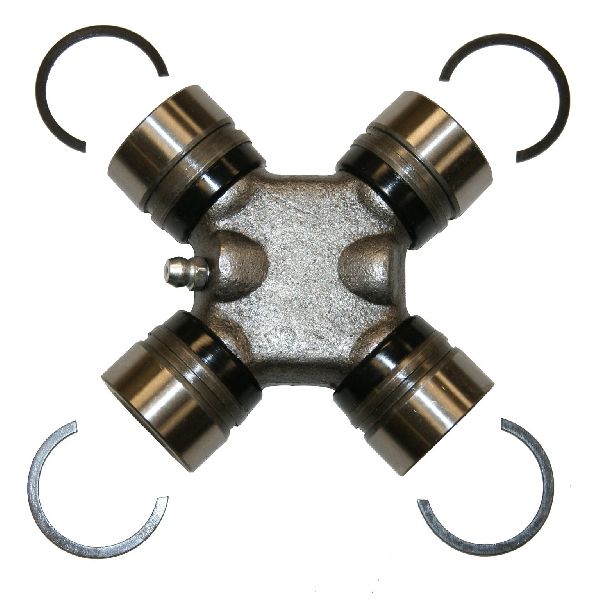
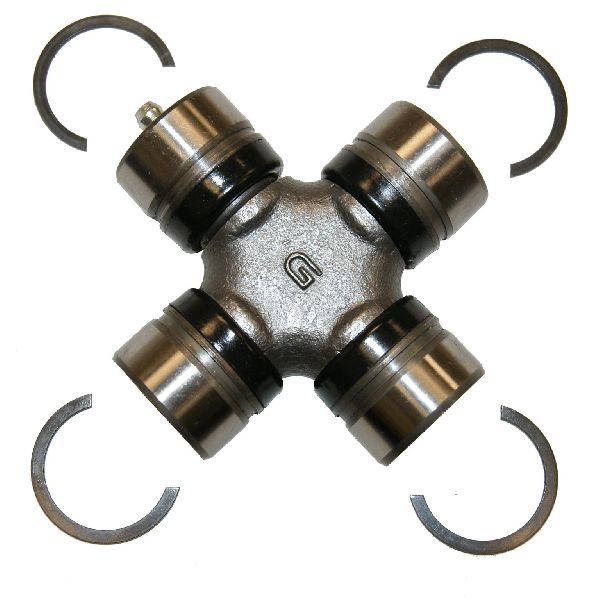
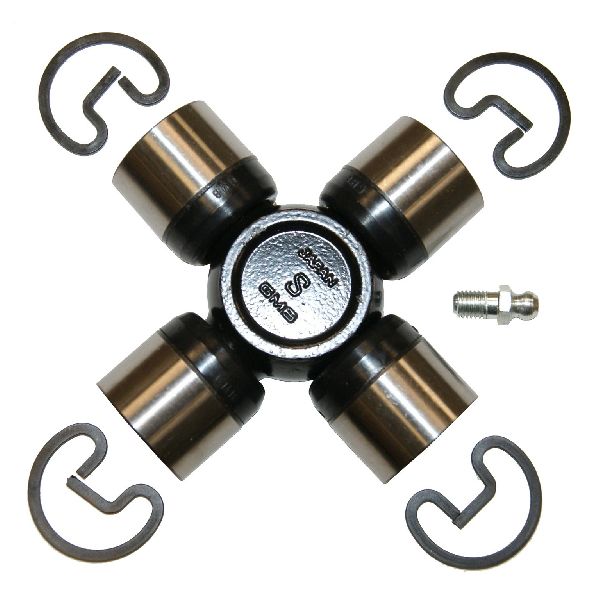
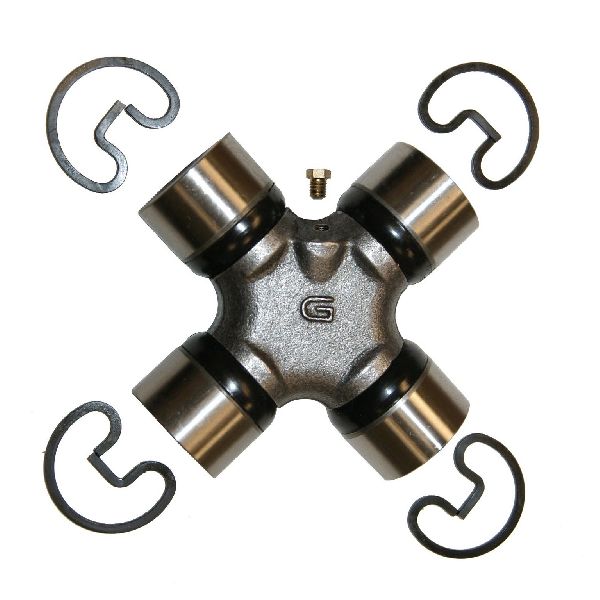
This is a matter of preference. Sealed (non-greasable) U-joints, like many from Dana Spicer, are stronger out of the box and require no maintenance. Greasable U-joints have a small fitting (zerk) that allows you to add fresh grease periodically. If maintained properly, they can have a very long life, but they are slightly weaker in design due to the grease channels. For a stock vehicle, either is a fine choice.
How many U-joints does my Wagoneer have?
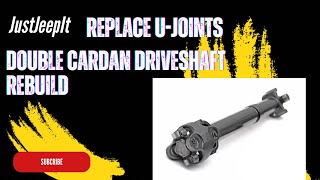
Your Wagoneer has several. There is one at each end of the rear driveshaft (2 total). The front driveshaft has one at the differential and a double-joint assembly called a Cardan joint at the transfer case, which contains two U-joints (3 total). Finally, there is a U-joint in each front axle shaft to allow the wheels to steer (2 total). The exact number can vary slightly by year 🎬 Watch: How to replace U-joints in a double Cardan driveshaft and specific 4x4 system.
Can I replace just one bad U-joint?
Yes, but it's often wise to replace them in pairs. For example, if one U-joint on the rear driveshaft fails, the other has been subjected to the same amount of wear and may fail soon. Replacing both at the same time saves you from doing the job twice. The same logic applies to the front axle shafts.
Is replacing a U-joint a DIY job?
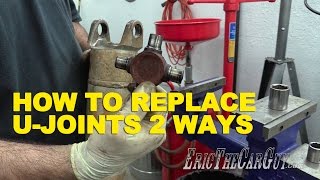
Yes, if you have the right tools and some mechanical skill. The process involves removing the driveshaft and using either a bench vise and sockets or a specialized U-joint press to remove the old joint and install the new one. It can be a stubborn job, and it's critical not to lose any of the tiny needle bearings from the new joint's caps during installation. If you are not comfortable, a professional mechanic can do the job in a few hours.
Helpful Videos
Technical Specifications
Most 1974-1990 Wagoneers use a 1310 series U-joint for the driveshafts. The front axle shafts use a different size. Always verify the correct part for your specific location (front driveshaft, rear driveshaft, or axle shaft) and year before ordering.
We Have This Part in Stock

The information in this article is provided for general reference and educational purposes only. Vehicle specifications, procedures, and part compatibility can vary by production date, trim level, and region. Always consult your vehicle's factory service manual and verify part numbers before purchasing or performing repairs. Safety-critical components such as airbags, seat belts, and braking systems should be installed by a qualified professional.