

Ford Courier Engine Coolant Thermostat Guide (1972-1976)
Keep your classic Courier's engine temperature in check with the right thermostat.
- A failing thermostat can cause your Courier to overheat or run too cool.
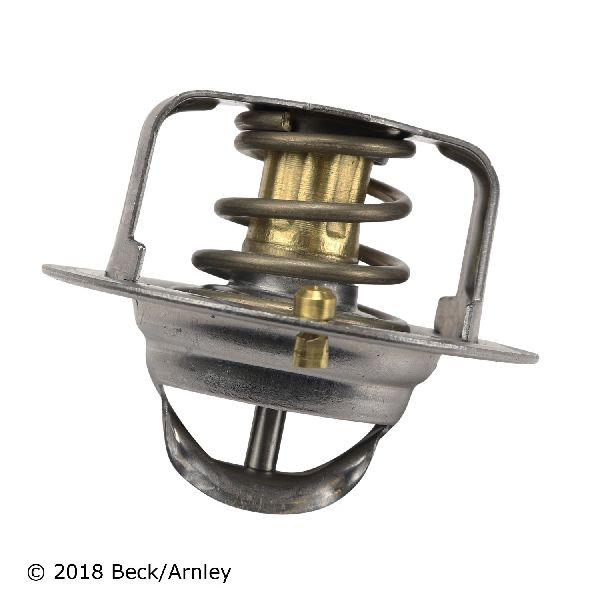
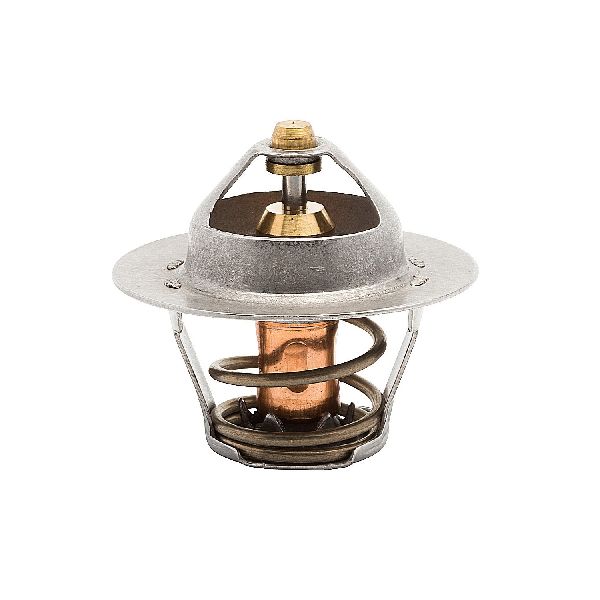
- For this vehicle, a quality aftermarket thermostat from a brand like Gates or Beck Arnley is a reliable and cost-effective choice.
- Always replace the thermostat gasket to prevent leaks.
- The standard 180°F temperature rating is the correct choice for the 1.8L engine.
Symptoms of a Failing Thermostat
A bad thermostat can fail in two ways: stuck open or stuck closed. Each has its own set of symptoms. Spotting them early can save you from bigger headaches.
Stuck Closed: Engine Overheating
This is the most dangerous type of failure. If the thermostat is stuck closed, it won't open to let coolant flow to the radiator. Your engine's temperature will rise quickly, leading to overheating. You'll see the temperature gauge climb into the red. If you see this, pull over and shut off the engine immediately to prevent serious damage like a warped cylinder head or blown head gasket.
Stuck Open: Engine Too Cool
If the thermostat is stuck open, coolant will constantly circulate, even when the engine is cold. This will cause your truck to take a very long time to warm up. You may notice your heater isn't blowing hot air, and your fuel economy might get worse because the engine isn't running at its ideal temperature.
Choosing the Right Aftermarket Thermostat
For a vintage truck like the 1972-1976 Courier, finding a new OEM Ford thermostat is nearly impossible. Thankfully, the aftermarket offers many high-quality options that meet or exceed original specifications. Since the Courier was built by Mazda for Ford, parts from brands specializing in imports are often a great fit.
Brand Tiers
- Premium Aftermarket (Gates, Beck Arnley): Gates is a leader in cooling system parts. Beck Arnley specializes in reboxing parts for import vehicles, often from the original equipment manufacturers. Both are considered very reliable choices for the Courier.
- Standard Aftermarket (Motorad, Calorstat): Motorad is one of the largest thermostat manufacturers in the world and supplies many other brands. While some users report mixed experiences, they are generally a reliable standard replacement part. Calorstat is a reputable OEM supplier for many European brands and is also a solid choice.
Pro Tip: The most important factor is choosing the correct temperature rating. For the 1.8L engine in the 1972-1976 Courier, the standard thermostat is 180°F, though 192°F options are also available. Sticking with the 180°F rating is recommended for most situations unless you have a specific reason to change.
Estimated Replacement Costs
Replacing the thermostat is one of the more affordable repairs you can perform on your Courier.
| Item | Estimated Cost |
|---|---|
| New Aftermarket Thermostat | $9.85 - $23.39 |
| Shop Labor | $100 - $180 |
| Total (Shop) | $110 - $204 |
| Total (DIY) | $10 - $24 (part only) |
Frequently Asked Questions (FAQ)
Should I replace the gasket with the thermostat?
Yes, always. Never reuse an old thermostat housing gasket. A new gasket is essential for a leak-free seal. Most new thermostats come with a new gasket in the box.
Can I just remove the thermostat if it's broken?
No. Running without a thermostat will cause the engine to run too cool, leading to poor performance, increased engine wear, and bad fuel economy. It is not a permanent solution for a stuck-closed thermostat.
What other parts should I replace at the same time?
When replacing your thermostat, it's a good time to inspect your radiator hoses for cracks, swelling, or softness. Since you'll be draining some coolant for the job, it's also a perfect opportunity to perform a full coolant flush if the fluid looks old or dirty.
Is this a difficult job to do myself?
No, this is a great job for a beginner. On the Courier's engine, the thermostat is typically located at the front of the engine where the upper radiator hose connects. The housing is usually held on by just two bolts. With basic hand tools, it can be done in under an hour.
Technical Specifications
Standard Temperature Rating: 180°F (82°C). Alternate Temperature: 192°F (89°C).
We Have This Part in Stock


The information in this article is provided for general reference and educational purposes only. Vehicle specifications, procedures, and part compatibility can vary by production date, trim level, and region. Always consult your vehicle's factory service manual and verify part numbers before purchasing or performing repairs. Safety-critical components such as airbags, seat belts, and braking systems should be installed by a qualified professional.