

A Guide to the Ignition Coil for the 1972-1976 Mazda B1600
Keep your classic Mazda B1600 running strong by understanding how to diagnose and replace a failing ignition coil.
- The 1972-1976 B1600 uses a single canister coil with an external ballast resistor; ensure your replacement coil is compatible.
- Replacement is a very simple DIY job requiring basic tools and less than 30 minutes.
- Symptoms of a bad coil are similar to a failed ignitor module inside the distributor, which is another common failure point on these trucks.
- Aftermarket coils from reputable brands like NGK and Standard Ignition are reliable choices for this vehicle.
Is Your B1600's Ignition Coil Failing?
A bad ignition coil on an older truck like the B1600 will cause noticeable problems. Because it has a single coil providing spark to all cylinders, a complete failure means the engine won't start at all. More often, the coil will fail intermittently or grow weak, leading to a variety of performance issues.
Common Symptoms of a Bad Ignition Coil:
- Engine Misfires: The engine may sputter, shake, or run poorly, especially under load (like going up a hill).
- Rough Idle: You may feel excessive vibration or shaking when the truck is stopped and idling.
- Stalling: The engine might stall unexpectedly, particularly when it's warm or at a stop.
- Hard Starting or No Start: A weak coil struggles to produce enough spark to start the engine, and a dead coil will produce no spark at all.
- Loss of Power: Your truck may feel sluggish and accelerate slower than usual.
- Backfiring: Loud bangs from the exhaust can happen when unburned fuel ignites in the hot exhaust pipe due to a lack of spark in the cylinder.
The Ballast Resistor is Critical
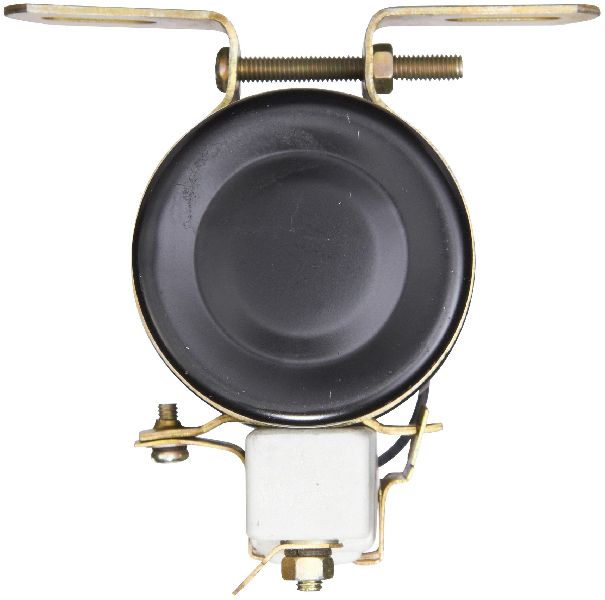
The ignition system on the 1972-1976 Mazda B1600 uses an external ballast resistor. This small ceramic block reduces the voltage going to the coil while the engine is running to prevent it from overheating. When you buy a new coil, you must know if it is designed for a system with an external resistor. Using a coil with an internal resistor in a system that already has an external one can lead to a very weak spark and poor performance. Always match the new coil to your truck's specific ignition setup.
Choosing the Right Aftermarket Ignition Coil
For a vehicle of this age, new Original Equipment (OEM) parts are generally not available. The aftermarket is your primary source. Aftermarket brands offer reliable and affordable options that meet or exceed original specifications. The key is to choose a reputable brand.
Aftermarket Brand Tiers
- Tier 1 (High-Quality Aftermarket): Brands like NGK and Standard Ignition (SMP) have a long-standing reputation for producing quality ignition components. They are often trusted by professional mechanics and are a solid choice for reliability.
- Tier 2 (Standard Aftermarket): Brands such as Spectra, Holstein, and Walker Products offer good value. They manufacture parts to meet OE standards and often come with good warranties, making them a dependable option for most owners.
- Tier 3 (Economy): Brands like Global Parts are typically the most budget-friendly. While functional, they may not have the same long-term durability or rigorous quality control as higher-tiered brands.
| Part Type | Estimated Cost |
|---|---|
| New Aftermarket | $29.97 - $42.76 |
| Shop Labor | $50 - $100 |
| New OEM | Not Available |
| Used OEM | Varies, but not recommended due to age |
Pro Tip: Check Other Ignition Parts
While you're replacing the ignition coil, it's a good time to inspect other related parts. Check the distributor cap and rotor for cracks or corrosion. Examine the spark plug wires for damage. Old and worn ignition components can put extra strain on a new coil, causing it to fail prematurely.
Frequently Asked Questions (FAQ)
Is replacing the ignition coil a DIY job?
Yes, absolutely. On the B1600, the ignition coil is typically mounted to the fender wall or engine and is very easy to access. The job requires only basic hand tools and can usually be done in under 30 minutes.
How do I know if I need a coil for a ballast resistor?
Look for a small, white ceramic block near the ignition coil with wires attached to it—this is the ballast resistor. If it's present, you need a coil designed for an external resistor. If you are unsure, consult a repair manual for your truck or choose a coil that matches the specifications of the one you are replacing.
Can I test my old ignition coil?
Yes. You can test an ignition coil with a multimeter to check the resistance of its primary and secondary windings. You'll need the correct resistance specifications from a service manual. However, a coil can sometimes test good when cold but fail when it heats up, so a resistance test isn't always conclusive.
What's more likely to fail, the coil or the ignitor?
On these older Mazda trucks, a no-spark condition can also be caused by a failed ignition control module (or "ignitor") located inside the distributor. This part can produce the same symptoms as a bad coil. If a new coil doesn't solve your no-spark problem, the ignitor is the next part to check.
Technical Specifications
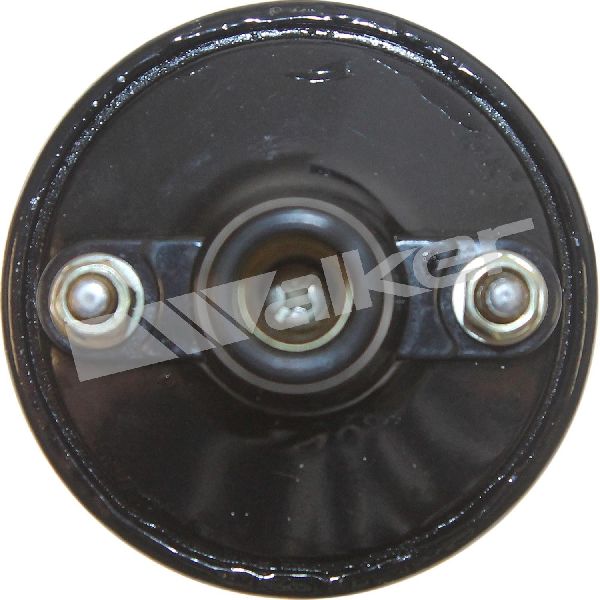
Canister-style, oil-filled ignition coil. Requires an external ballast resistor for proper operation. Features one high-tension output to the distributor and two low-voltage terminals (positive and negative).
We Have This Part in Stock


The information in this article is provided for general reference and educational purposes only. Vehicle specifications, procedures, and part compatibility can vary by production date, trim level, and region. Always consult your vehicle's factory service manual and verify part numbers before purchasing or performing repairs. Safety-critical components such as airbags, seat belts, and braking systems should be installed by a qualified professional.