

Choosing the Right Spark Plug Wire Set for Your 1972-1976 Pontiac Firebird
Get the best performance and reliability for your classic Firebird by selecting the correct spark plug wires for your ignition system.
- First, identify your ignition system (Points vs. HEI) before buying, as this determines the type of wire set you need.
- For stock engines, brands like ACDelco or NGK are excellent choices; for modified engines, consider performance brands like MSD or Taylor for better heat resistance and spark delivery.
- Always replace wires one at a time to avoid mixing up the firing order, which is crucial for engine timing.
- Using dielectric grease on the boots will prevent them from getting stuck and protect the electrical connection.
Signs of Failing Spark Plug Wires
Old or damaged spark plug wires can cause noticeable problems with your Firebird's engine. Because these vehicles are from a pre-computer-diagnostic era, you have to rely on observing the engine's behavior. If you notice any of these issues, it might be time to inspect and replace your wires.
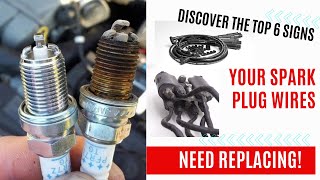
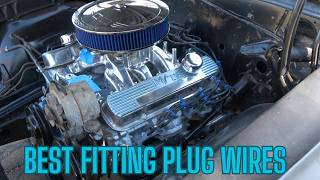
Common Symptoms: 🎬 Watch a video guide on common bad spark plug symptoms.
- Rough Idling: The engine may shake or vibrate more than usual when the car is stopped.
- Engine Misfires: You might feel a jerking or stumbling sensation as you drive, which is a sign of incomplete combustion.
- Hesitation During Acceleration: The car may not respond immediately or smoothly when you press the gas pedal.
- Difficulty Starting: Worn wires can make it harder for the engine to turn over and start.
- Reduced Power and Fuel Economy: A less efficient spark means your engine isn't producing its full power, and you'll likely see a drop in gas mileage.
- Visible Damage: A visual check might reveal cracks, burns, or melting on the wire insulation or boots.
Choosing the Right Aftermarket Wires
When shopping for new spark plug wires for your 1972-1976 Firebird, the most important factor is the type of ignition system your car has. Around 1974-1975, Pontiac switched from traditional points-style distributors to High Energy Ignition (HEI) systems. HEI systems produce much higher voltage and require wires that can handle it, typically with a larger diameter and different distributor cap boots.
Ignition System is Key
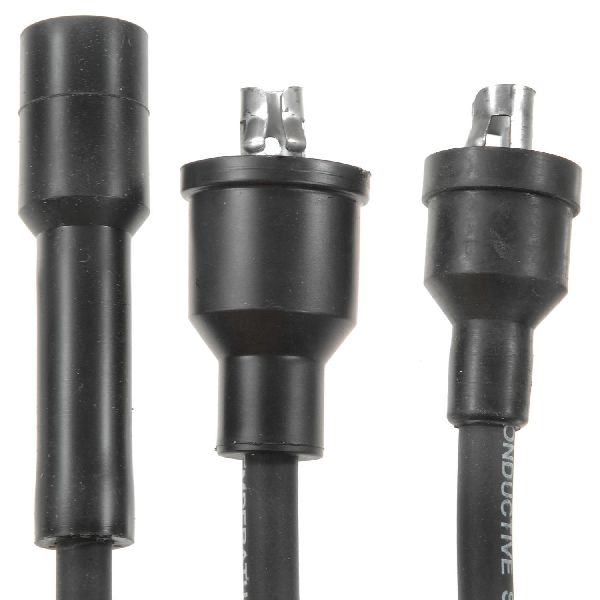
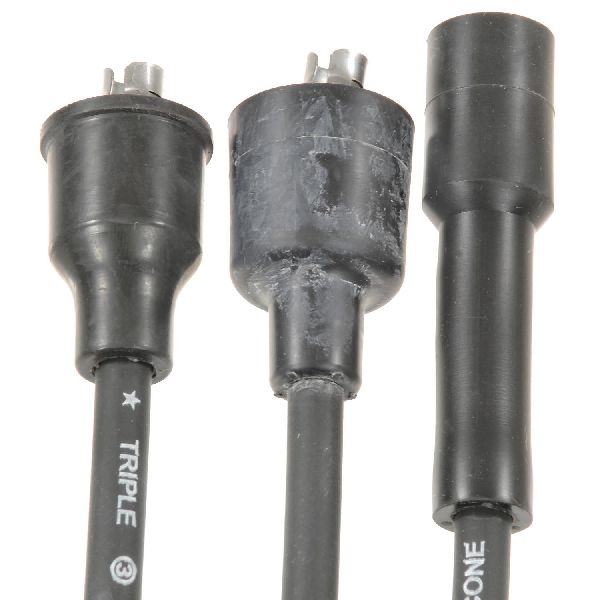
- Points-Style Ignition (Typically 1972-1974): These systems use a distributor cap with socket-style (female) terminals.
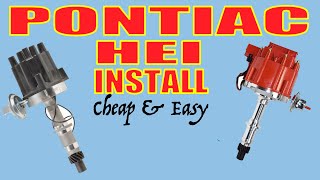
- High Energy Ignition (HEI) (Typically 1975-1976): These use a larger distributor cap with post-style (male) terminals. Many older Firebirds have also been upgraded to HEI systems 🎬 Learn how to upgrade your Firebird from points to HEI. for better reliability and performance.
Pro Tip: Always check your distributor cap before ordering. If it's large and has male connection posts, you need an HEI wire set. If it's smaller with female sockets, you need a points-style set.
Brand & Quality Tiers
Aftermarket brands offer a wide range of options, from stock replacements to high-performance racing wires.
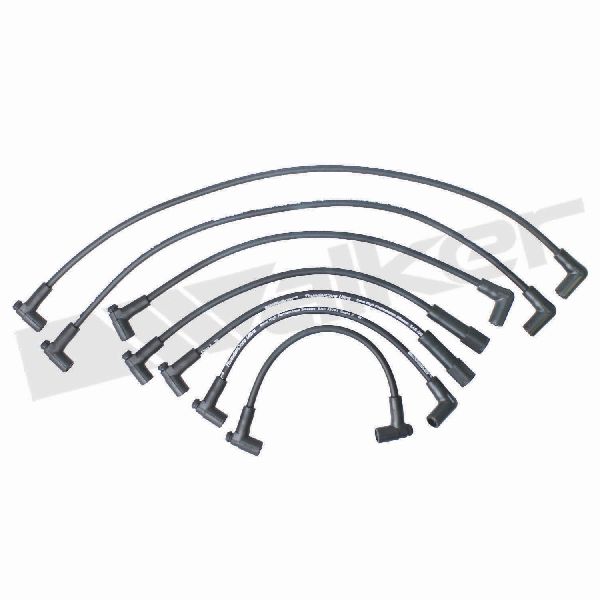
- Stock Replacement (Good): Brands like ACDelco and Standard Motor Products (Standard Wires) offer reliable, OEM-style wires. They are designed to meet original specifications and are a great choice for daily drivers or restorations aiming for a factory look. NGK is also a very reputable brand in this category.
- Street Performance (Better): Brands like Taylor Cable, Accel, and Denso offer a step up. They often feature thicker 8mm or 8.5mm silicone jackets for better heat resistance and lower electrical resistance for a stronger spark. These are popular for owners who want improved performance and durability without going to a full race setup.
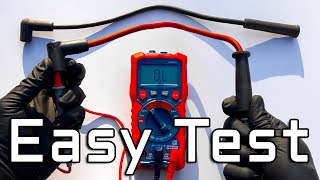
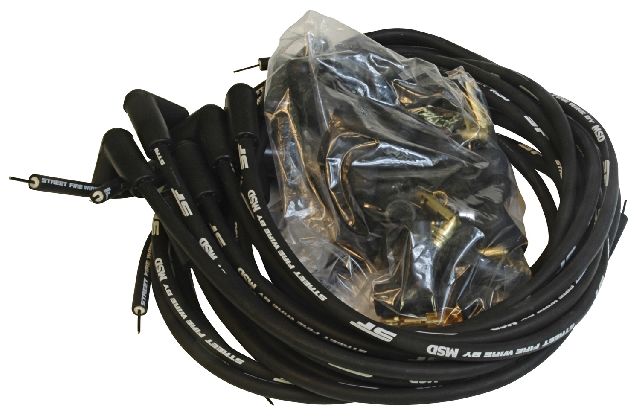
- High Performance/Racing (Best): MSD and FAST are leaders in the high-performance space. Their wires, like the MSD Super Conductor series, have extremely low resistance (around 40-50 ohms per foot 🎬 See a resistance comparison between MSD and Accel performance wires.) for maximum spark energy. These are ideal for highly modified engines, racing applications, or for owners who simply want the best ignition components available.
| Quality Tier | Common Brands | Estimated Price Range |
|---|---|---|
| Stock Replacement | ACDelco, Standard Wires, NGK | $25 - $55 |
| Street Performance | Taylor, Accel, Denso | $50 - $120 |
| High Performance | MSD, FAST, Taylor (Thundervolt) | $90 - $197+ |
Known Issues, Recalls, and TSBs
For a vehicle of this age, there are no active recalls or Technical Service Bulletins (TSBs) from NHTSA related to spark plug wires. The most common issue reported by owners is poor fitment from universal or incorrectly specified wire sets. Some owners have found that wire sets intended for other GM V8s, like big block Chevys, sometimes offer a better fit depending on how the wires are routed. Always choose a custom-fit set designed for Pontiac V8 engines to avoid wires that are too long or too short.
Frequently Asked Questions (FAQ)
Do I need special wires for an HEI ignition?
Yes. HEI systems produce higher voltage, so you need wires with better insulation (typically 8mm or thicker silicone) and specific boots that connect to the male posts on the HEI distributor cap. Using standard points-style wires on an HEI system can lead to arcing and poor performance.
What is the difference between spiral core and carbon core wires?
Most modern performance wires use a spiral core conductor. This design features a wire wrapped around a core, which provides low resistance for a hot spark while suppressing the electromagnetic interference (EMI) that can cause radio static. Older or basic carbon core wires have higher resistance and are more prone to breaking down over time.
What does wire diameter (e.g., 8mm, 8.5mm) mean?
The diameter refers to the thickness of the wire, including its insulation. A thicker wire, like 8.5mm, generally has better insulation, protecting against heat and preventing voltage from leaking or arcing. This is especially important in tight engine bays with hot exhaust manifolds.
Should I use dielectric grease?
Yes. Applying a small amount of dielectric grease to the inside of the spark plug and distributor boots is highly recommended. It helps seal out moisture, prevents corrosion, and makes it easier to remove the wires in the future.
How often should I replace my spark plug wires?
There is no strict interval, but a general guideline is to inspect them with every spark plug change. For classic cars, it's a good idea to replace them if they are more than 5-10 years old, or immediately if you see any signs of wear, cracking, or melting.
Helpful Videos
Technical Specifications
Key specifications are dependent on the ignition system. Points-style systems use socket-type distributor boots, while HEI systems use male/post-type boots. Performance wires typically have lower resistance (300-500 ohms/ft for street, <50 ohms/ft for race) and a larger diameter (8mm to 8.5mm) silicone jacket.
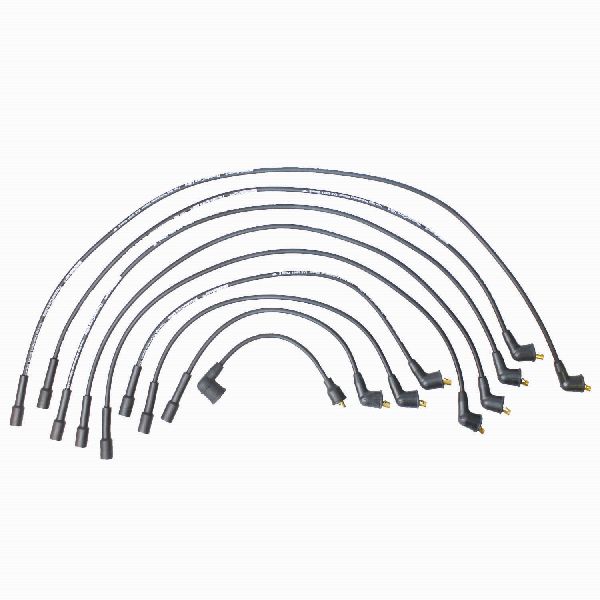
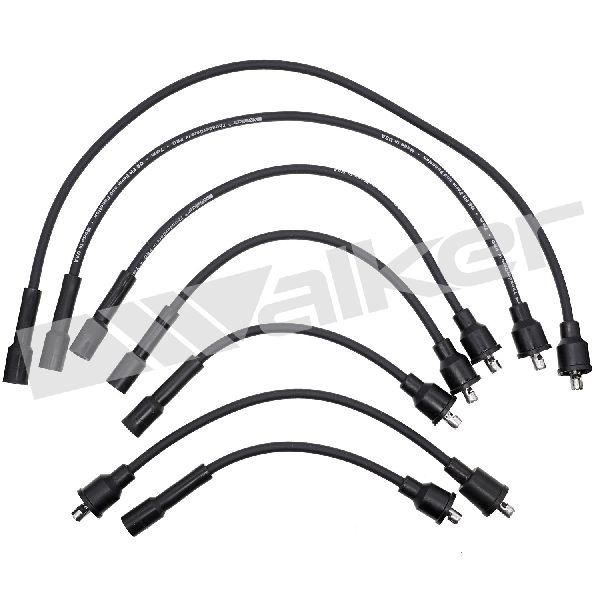
We Have This Part in Stock

The information in this article is provided for general reference and educational purposes only. Vehicle specifications, procedures, and part compatibility can vary by production date, trim level, and region. Always consult your vehicle's factory service manual and verify part numbers before purchasing or performing repairs. Safety-critical components such as airbags, seat belts, and braking systems should be installed by a qualified professional.