

Choosing the Right Spark Plugs for Your 1972-1976 Toyota Mark II
Keep your classic Mark II running smoothly with the correct set of new aftermarket spark plugs.
- For the 1972-1976 Mark II, standard copper spark plugs from NGK or Denso are the best choice for performance and originality.
- Symptoms of failure include rough idle, poor acceleration, and reduced gas mileage.
- Replacing spark plugs is a simple, inexpensive DIY job that can be done in under an hour with basic tools.
- Always check the spark plug gap before installation and replace plugs as a complete set.
Signs of Failing Spark Plugs
When spark plugs wear out, they can't create a strong enough spark. This leads to a variety of noticeable problems. You might feel the engine misfire, which feels like a stutter or hesitation, especially when you accelerate. A rough or shaky idle is another common symptom. You may also notice that your car is harder to start, doesn't accelerate as quickly as it used to, and gets worse gas mileage. In some cases, a check engine light might come on, but this is less common on vehicles from this era.
Choosing the Right Aftermarket Spark Plugs
For a classic vehicle like the 1972-1976 Toyota Mark II, you don't need expensive, high-tech spark plugs. The original ignition system was designed for standard copper-core plugs, and they still provide the best performance for this application. While modern plugs made of platinum or iridium last longer, they may not provide a noticeable benefit in this specific engine and are often not necessary.
Brand Recommendations
| Brand | Tier | Notes |
|---|---|---|
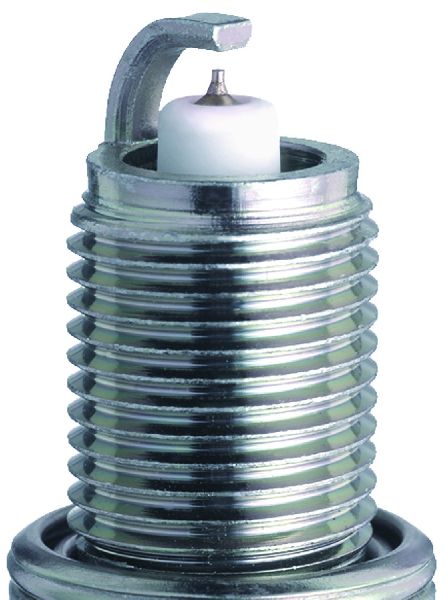
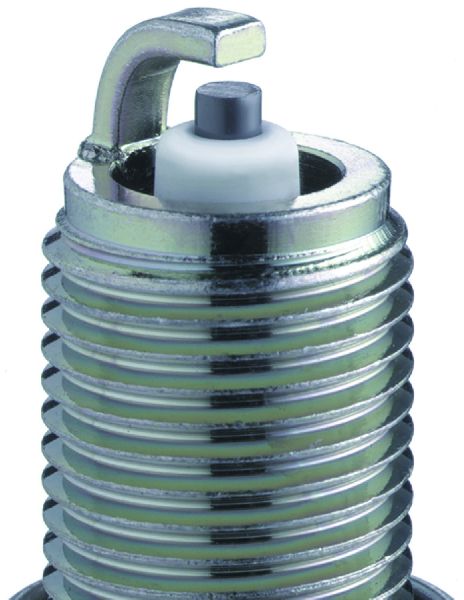
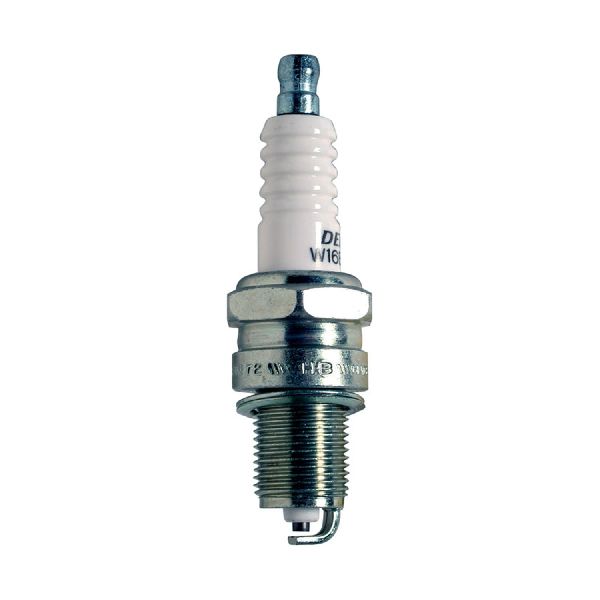
| NGK & Denso | Best Choice | Denso was Toyota's original parts manufacturer, and both NGK and Denso are widely considered the top choice for Japanese vehicles. They offer excellent quality, reliability, and performance that matches the original factory standards. |
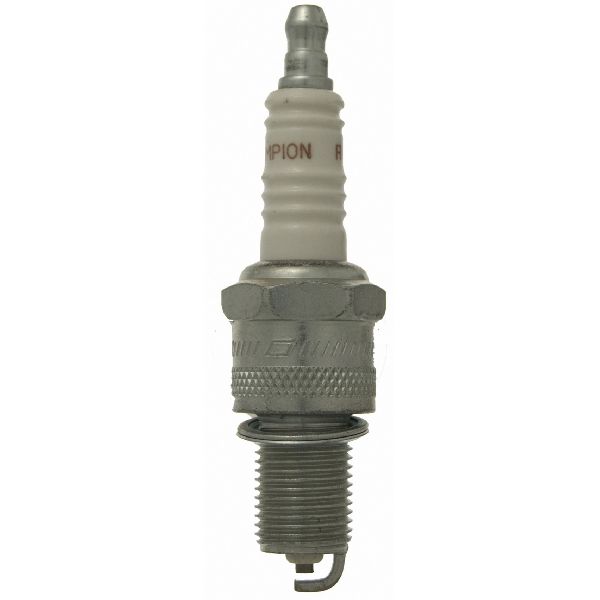
| Autolite & Champion | Good Value | These are reputable American brands that offer a reliable and affordable alternative. While many owners of classic Japanese cars prefer NGK or Denso, these plugs will perform correctly and are a good budget-friendly option. |
Pro Tip: Always replace your spark plugs as a full set. This ensures even performance across all cylinders. Since these plugs are inexpensive, it's good practice to change them during a regular tune-up, typically every 15,000 to 30,000 miles for copper plugs.
Known Issues & Recalls
There are no active recalls or Technical Service Bulletins (TSBs) from the NHTSA related to spark plugs for the 1972-1976 Toyota Mark II. Any issues you experience are most likely due to normal wear and tear on these 50-year-old components. Problems in the ignition system can sometimes seem like a spark plug issue but may be caused by aging spark plug wires or distributor components.
Frequently Asked Questions (FAQ)
How often should I change the spark plugs on my Mark II?
For standard copper spark plugs, a good interval is every 15,000 to 30,000 miles, or every two to three years. Since they are inexpensive, changing them as part of your regular tune-up schedule is a great way to maintain engine health.
What is a spark plug "gap" and why does it matter?
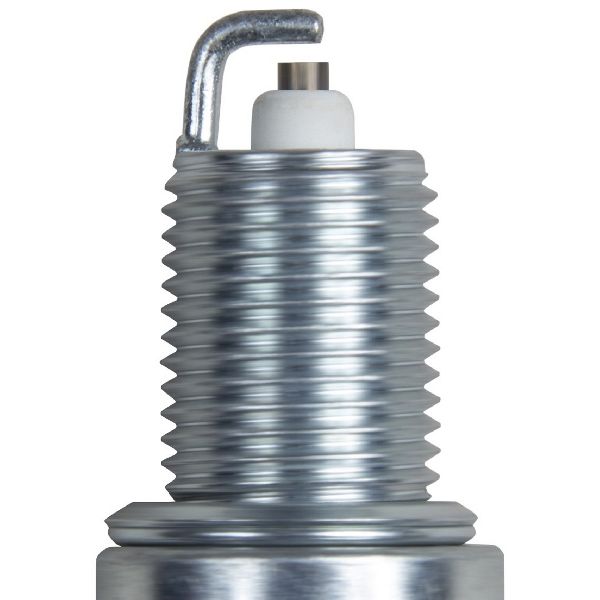
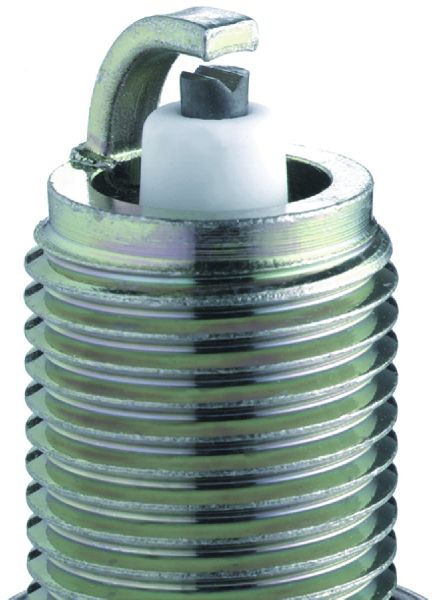
The gap is the small space between the center and ground electrodes of the plug. The spark has to jump this gap to ignite the fuel. The size of this gap is critical and must be set to your vehicle's specifications. An incorrect gap can lead to misfires and poor performance. Always check the gap with a feeler gauge before installation.
Should I use modern Iridium or Platinum plugs in my classic Toyota?
While you can, it's generally not necessary or cost-effective. The ignition system in the Mark II was designed for standard copper plugs. These plugs provide excellent performance and are very affordable. Iridium and platinum plugs won't harm the engine but are unlikely to provide any significant performance gains to justify the extra cost.
Do I need special tools to change my spark plugs?
The job requires a few basic tools: a ratchet, a spark plug socket (usually 5/8"), and an extension. A torque wrench is also recommended to ensure you tighten the new plugs correctly. Over-tightening can damage the engine's cylinder head.
Technical Specifications
Engine: 2.3L/2.6L L6. Recommended Plug Type: Standard Copper Core. Quantity Required: 6.
We Have This Part in Stock

The information in this article is provided for general reference and educational purposes only. Vehicle specifications, procedures, and part compatibility can vary by production date, trim level, and region. Always consult your vehicle's factory service manual and verify part numbers before purchasing or performing repairs. Safety-critical components such as airbags, seat belts, and braking systems should be installed by a qualified professional.