

Ford Custom 500 Differential Bearing Set Guide (1972-1977)
Addressing the common whines and rumbles from the rear of your classic 1972-1977 Ford Custom 500.
- Failing bearings typically cause a whining or rumbling noise from the rear that changes with speed.
- This job requires professional installation due to the need for special tools like a press and dial indicators.
- Timken is a top-tier aftermarket brand known for quality and is a reliable choice for your Custom 500.
- For a vehicle this age, high-quality aftermarket parts are the standard replacement, as new OEM parts are generally not available.
Is Your Custom 500 Making a Rear-End Noise?
If you're hearing a whining, howling, or rumbling from the back of your car, your differential bearings are a likely suspect. These noises often change pitch or volume with your speed. A whirring sound that happens only when you slow down often points to the pinion bearings. A rumbling noise above 20 mph that changes when you turn could be the carrier bearings. These symptoms are common as the original bearings wear out from age and mileage.
Choosing Your Aftermarket Differential Bearing Set
For a vehicle from the 1970s, finding new original Ford parts is nearly impossible. The good news is that high-quality aftermarket parts are available and often meet or exceed the original factory quality.
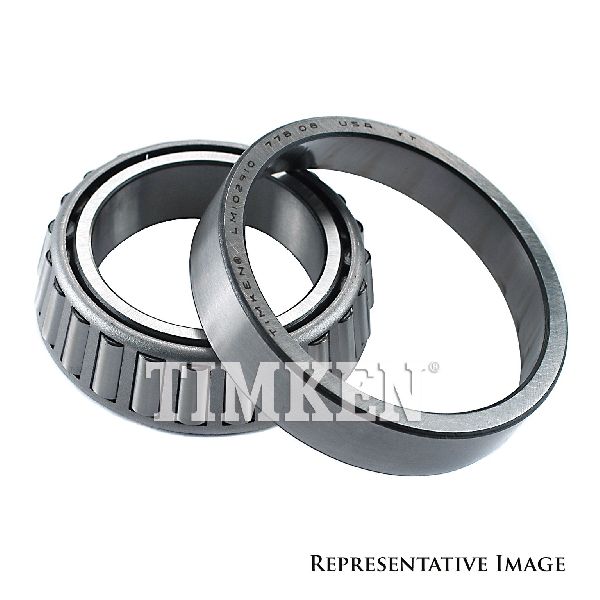
- Brand: Timken
Timken is the only brand listed for this application, and it is widely considered an industry standard for bearings. Mechanics and engineers trust Timken for its high-quality materials, precise manufacturing, and durability. Reviews consistently rate Timken bearings highly for quality and performance, making them a reliable choice for rebuilding the differential in your Custom 500.
Professional Installation is Highly Recommended
Replacing differential bearings is not a simple DIY job. It requires specialized tools like a hydraulic press to remove and install the bearings, and dial indicators to set the proper gear backlash and bearing preload. Incorrect installation will lead to rapid failure of the new bearings and potential damage to other differential components. The labor costs reflect the complexity and time required for this precision work.
Frequently Asked Questions (FAQ)
What are the sure signs my differential bearings are failing?
The most common signs are noises from the rear axle, such as whining or howling that increases with speed, or a rumbling sound. You might also find fine metal shavings in the differential fluid, which look like glitter. A clunking noise could indicate more severe gear damage.
What parts are included in a differential bearing set?
A typical differential bearing set includes the essential bearings and races for the differential. This usually consists of carrier bearings and pinion bearings. Some kits may also include seals, shims, or a crush sleeve, but you should verify the contents of the specific kit you are purchasing.
Is Timken a good brand for my classic Ford?
Yes, Timken is an excellent choice. It is a highly respected American brand known for making durable, high-quality bearings that are often used as the benchmark for performance and reliability in automotive and industrial applications.
Can I just replace the one bearing that is making noise?
It is strongly recommended to replace all the differential bearings at the same time. The entire differential must be disassembled to replace any single bearing, so replacing all of them at once saves on future labor costs. Furthermore, if one bearing has failed due to age and wear, the others are likely near the end of their service life as well.
Technical Specifications
Fits Ford 8-inch or 9-inch rear differentials commonly found in 1972-1977 full-size Ford cars.
We Have This Part in Stock

The information in this article is provided for general reference and educational purposes only. Vehicle specifications, procedures, and part compatibility can vary by production date, trim level, and region. Always consult your vehicle's factory service manual and verify part numbers before purchasing or performing repairs. Safety-critical components such as airbags, seat belts, and braking systems should be installed by a qualified professional.