

A Ford Mechanic's Guide to the 1972-1978 Mustang Starter Motor
Don't get stranded—here's how to choose the right replacement starter for your Mustang II.
- Before replacing the starter, always test the battery, clean all cable connections, and check the fender-mounted solenoid.
- Installation on a Mustang II is very difficult and may require removing the crossmember and lowering the steering rack.
- For engines with headers or heat-related starting issues, upgrading to a high-torque mini-starter from a brand like Powermaster or Ford Performance is the most effective solution.
- Ensure the starter you buy matches your engine and transmission combination, as flywheel tooth counts (157-tooth is common) must be compatible.
Is Your Mustang's Starter Failing?
A bad starter rarely fails without warning. For the 1972-1978 Ford Mustang, the symptoms are usually clear. If your car won't start, the first thing to check is your battery and cables. A weak battery or corroded connections are common culprits and much easier to fix than replacing the starter. Also, check the fender-mounted starter solenoid, as these are known to fail and can produce a clicking sound.
Common Failure Symptoms:
- Clicking Sound: A single, loud click when you turn the key often points to a bad starter solenoid or a starter that can't draw enough power.
- Slow Cranking: If the engine turns over very slowly, like the battery is weak, it could be the starter motor wearing out.
- Grinding Noise: A grinding sound during or after starting can mean the starter gear (Bendix) is not engaging or disengaging properly with the flywheel.
- Hot-Start Problems (Heat Soak): This is a very common issue on these Mustangs, especially with V8 engines and aftermarket headers. The starter gets so hot from the exhaust that it won't work until it cools down, leaving you stranded for 15-30 minutes.
- Starter Keeps Running: In some cases, the starter gear can get stuck engaged with the flywheel, causing it to run continuously with the engine. This can cause severe damage.
Pro Tip: Check the Easy Stuff First
Before you blame the starter, always check your battery, battery cables, and ground connections. Make sure the terminals are clean and tight. A simple voltage test can confirm if the battery has enough charge. A reading below 9.5 volts while trying to start indicates a battery or connection problem.
Choosing the Right Aftermarket Starter
Original Ford starters for this era are no longer available new. The aftermarket offers two main paths: standard OEM-style replacements and high-torque mini-starter upgrades.
Tier 1: High-Torque & Performance Mini-Starters
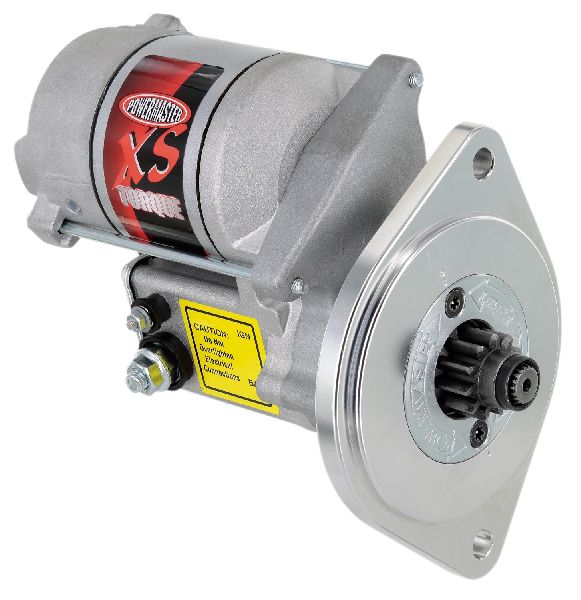
This is a popular and highly recommended upgrade, especially if you have headers or a higher-compression engine. These modern, gear-reduction starters are smaller, lighter, and more powerful than the original direct-drive units. They are the best solution for solving heat-soak problems.
- Powermaster: A top choice for performance applications. They are known for their powerful cranking ability with high-compression engines and excellent heat resistance. Fitment can sometimes be tight, but their reliability is well-regarded in forums.
- Ford Performance: An excellent, reliable option. These are 100% new parts, not remanufactured, and are specifically designed to be compact for better header clearance and to prevent heat-related failures.
- MSD: Known for powerful gear-reduction starters that provide great torque. However, some owners have reported reliability issues, making Powermaster a more consistently recommended choice in head-to-head comparisons.
Tier 2: Standard OEM-Style Replacements
If your Mustang is stock and you just need a reliable replacement, these brands offer good value and direct-fit installation.
- ACDelco: A trusted name that produces quality new starters that meet or exceed original specifications. They are a solid choice for a dependable, stock-style replacement.
- MPA & Proform: These brands provide affordable, direct-fit replacement starters that get the job done for a stock vehicle.
Warning: Installation is Difficult
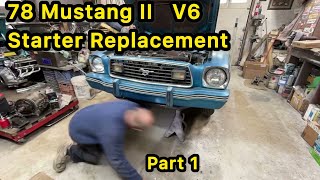
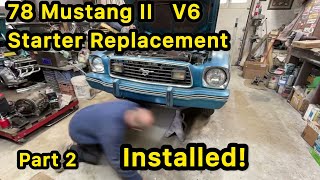
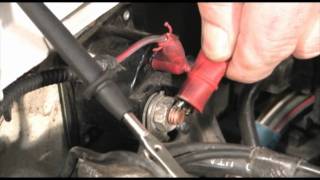
Replacing the starter on a 1972-1978 Mustang II is not a simple job. Unlike earlier Mustangs, access is very limited. The procedure often requires removing the engine crossmember and lowering the rack and pinion steering assembly 🎬 Watch: This video shows the difficult process of removing the starter. just to get the old starter out and the new one in. This is a challenging task for a DIY mechanic and can take several hours.
Cost of a New Aftermarket Starter
| Part Type | Estimated Cost |
|---|---|
| New Aftermarket (Standard) | $72 - $150 |
| New Aftermarket (High-Torque) | $180 - $392 |
| Remanufactured | $60 - $120 |
| Shop Labor | $250 - $500 |
(Cost estimates are for parts only and do not include taxes or shipping. Labor costs vary by location and shop.)
Frequently Asked Questions
What is starter heat soak and how do I fix it?
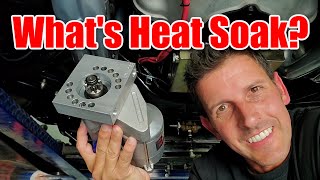
Heat soak happens when the starter absorbs too much heat from the exhaust manifold or headers, increasing its internal electrical resistance. When you try to start the hot engine, the starter can't draw enough power to turn over. The best fix is to replace the bulky original starter with a modern, high-torque mini-starter, which is more efficient and provides better clearance. A heat shield or wrap can also help 🎬 See a detailed explanation of heat soak and how to fix it. as a temporary measure.
Do I really need a high-torque starter for my stock Mustang?
While not strictly necessary for a completely stock engine, a high-torque mini-starter is a worthwhile upgrade for any 1972-1978 Mustang. They are more efficient, draw less power from the battery, and are far more resistant to the common heat soak issues that plagued the original design, providing much better reliability.
Is the problem my starter or the solenoid on the fender?
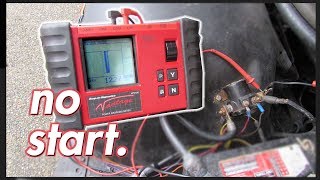
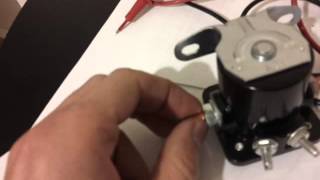
It can be tricky to tell. If you hear a single, solid "click" from the engine bay when you turn the key, the fender solenoid is likely working, but the starter is not. If you hear rapid clicking, it could be a weak battery or a bad connection. If jumping the two large posts on the fender solenoid with a screwdriver makes the engine crank, the starter is good and the solenoid itself is likely the problem.
🎬 Watch: How to diagnose and test your Ford starter solenoid.Are there any recalls for the 1972-1978 Mustang starter?
No, there are no official recalls or Technical Service Bulletins (TSBs) from the NHTSA specifically for the starter motor on the 1972-1978 Ford Mustang models.
Helpful Videos
Technical Specifications
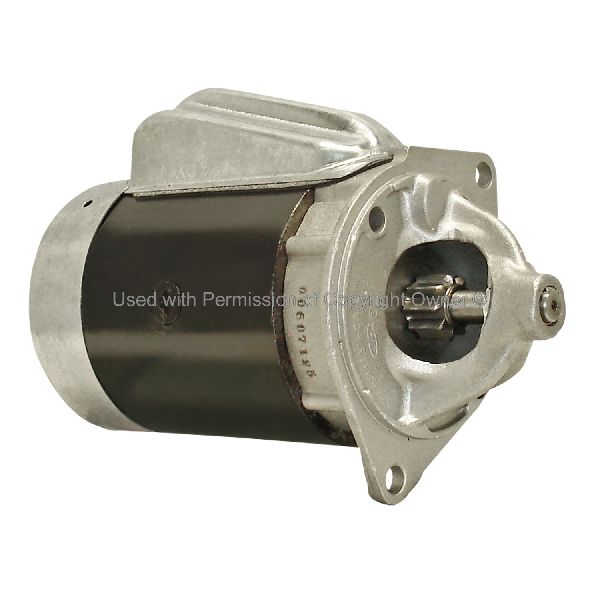
OEM Part Numbers: D2AF-11001-AA D4AF-11001-AA D7AF-11001-AA E2PF-11001-BA
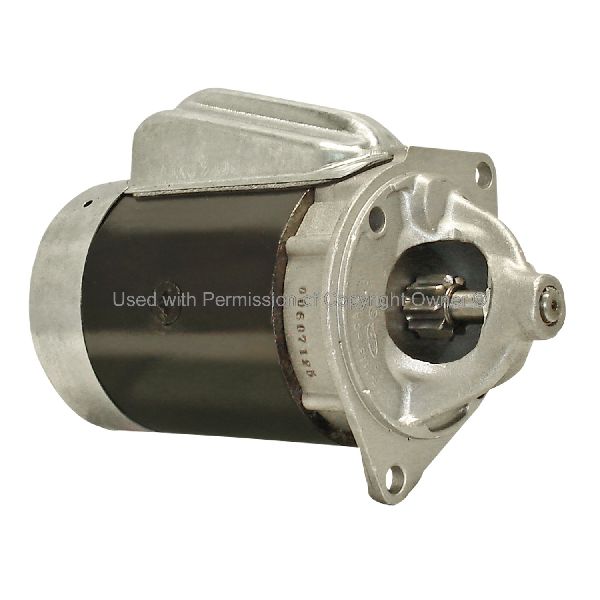
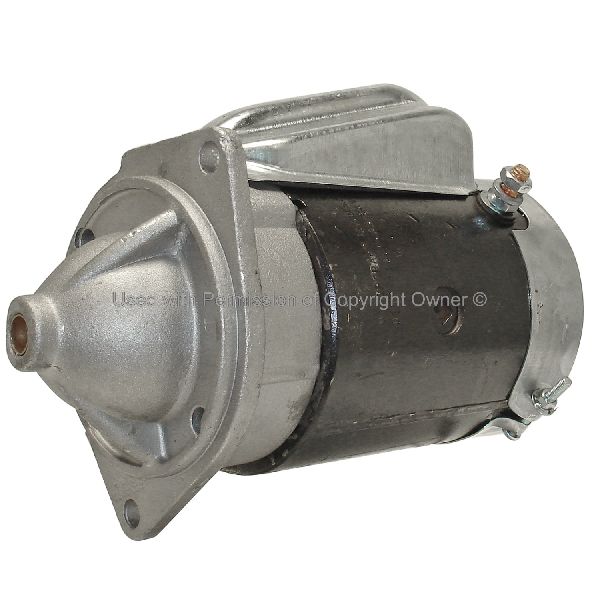
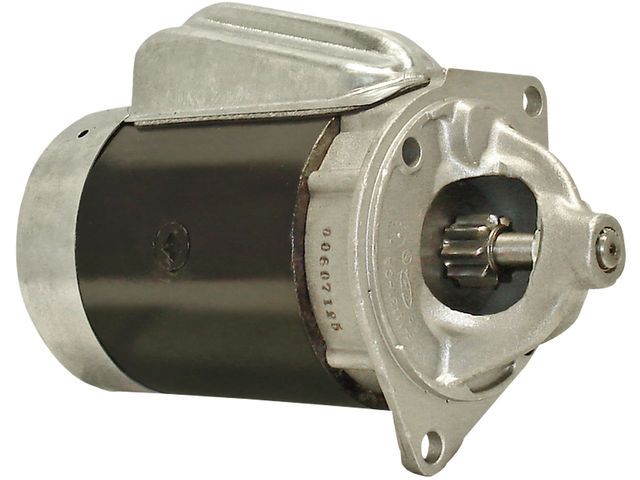
Original starters are a large, direct-drive design. Popular aftermarket upgrades are Permanent Magnet Gear Reduction (PMGR) mini-starters, which offer higher torque in a smaller, lighter package. Most applications use a starter compatible with a 157-tooth flywheel.
We Have This Part in Stock

The information in this article is provided for general reference and educational purposes only. Vehicle specifications, procedures, and part compatibility can vary by production date, trim level, and region. Always consult your vehicle's factory service manual and verify part numbers before purchasing or performing repairs. Safety-critical components such as airbags, seat belts, and braking systems should be installed by a qualified professional.
- 🎬 Helpful Videos
- 🛍️ Shop This Part
- Is Your Mustang's Starter Failing?
- Common Failure Symptoms:
- Pro Tip: Check the Easy Stuff First
- Choosing the Right Aftermarket Starter
- Tier 1: High-Torque & Performance Mini-Starters
- Tier 2: Standard OEM-Style Replacements
- Warning: Installation is Difficult
- Cost of a New Aftermarket Starter
- Frequently Asked Questions
- 🎟️ Get 5% Off